Contents:
- Understanding How Jasmine Blooms
- The Most Common Reasons a Jasmine Plant Won’t Flower
- Too Much Nitrogen
- Insufficient Sunlight
- Pruning at the Wrong Time
- Incorrect Watering
- Root-Bound Containers
- Temperature Stress
- Jasmine vs. Confederate Jasmine: An Important Distinction
- Quick Cost Breakdown: Getting Jasmine to Bloom
- Practical Tips to Encourage Flowering This Season
- FAQ: Jasmine Plant Not Flowering
- Why is my jasmine growing but not flowering?
- How long does it take for jasmine to bloom?
- Does jasmine need to be cut back to flower?
- Can too much water stop jasmine from blooming?
- What fertilizer makes jasmine bloom?
- Getting Your Jasmine to Its Full Potential
Jasmine is one of the few plants that can stop a person mid-stride with its scent alone — yet roughly 40% of gardeners report their jasmine never blooms in the first season after planting. That’s not bad luck. It’s almost always fixable. If your jasmine plant is not flowering, something specific in its environment or care routine is working against it, and narrowing that down is easier than you think.
Understanding How Jasmine Blooms
Before troubleshooting, it helps to understand what jasmine actually needs to trigger flowering. Most common varieties — including Jasminum sambac (Arabian jasmine) and Jasminum polyanthum (pink jasmine) — are photoperiod-sensitive. They rely on the shortening days of late summer and fall to set buds for the following season’s bloom. Disrupt that cycle and you get lush, leafy growth with zero flowers.
Jasmine also blooms on growth from the previous year in many species. That single fact explains a huge proportion of flowering failures. Prune at the wrong time and you’ve literally cut off next year’s flower buds before they get a chance.
The Most Common Reasons a Jasmine Plant Won’t Flower
1. Too Much Nitrogen
Nitrogen drives leafy, vegetative growth. Feed jasmine a high-nitrogen fertilizer — anything with an N-P-K ratio where the first number dominates, like 30-10-10 — and the plant channels all its energy into stems and leaves. Switch to a bloom-boosting fertilizer with higher phosphorus, such as a 5-30-5 or 10-30-10 formula. Apply it in early spring, just as new growth begins, and again six weeks later.
2. Insufficient Sunlight
Jasmine needs a minimum of 6 hours of direct sunlight daily. In USDA Hardiness Zones 7–10, where most outdoor jasmine thrives, a south- or west-facing wall is ideal. Plants grown in partial shade may survive, but flowering drops dramatically — often by 60 to 70% compared to plants in full sun. If your jasmine is in a container, move it. If it’s in the ground, consider whether nearby trees have filled in and are now blocking light that was there when you planted.
3. Pruning at the Wrong Time
This is the single most underestimated cause of a jasmine that refuses to bloom. For spring-flowering varieties like Jasminum officinale, prune immediately after flowering — typically June or early July in most of the US. Pruning in fall or early spring removes the buds that were quietly forming since summer. The rule: prune after bloom, never before.
4. Incorrect Watering
Both overwatering and underwatering suppress flowering, but they do so in different ways. Overwatering keeps roots oxygen-deprived, stunting the stress signals that trigger bud formation. Underwatering causes premature bud drop. Aim for consistently moist but well-draining soil. A good benchmark: water deeply once or twice a week in summer, allowing the top inch of soil to dry out between waterings. In winter, cut back to once every 10 to 14 days.
5. Root-Bound Containers
A pot-bound jasmine redirects energy into root survival rather than reproduction — which means no flowers. Check for roots circling the drainage holes or pushing up through the soil surface. If you see either sign, repot into a container one to two sizes larger, using a well-draining mix with some perlite blended in. Do this in early spring before the growing season kicks off.
6. Temperature Stress
Many jasmine species require a cool, dry rest period in late fall and winter — temperatures between 40°F and 50°F for six to eight weeks — to initiate flower bud development. Indoor plants kept in warm, centrally heated rooms year-round often skip this chill requirement entirely and come spring, they have nothing to show for it. Moving a potted jasmine to an unheated garage or enclosed porch from November through January can make a dramatic difference.
Jasmine vs. Confederate Jasmine: An Important Distinction
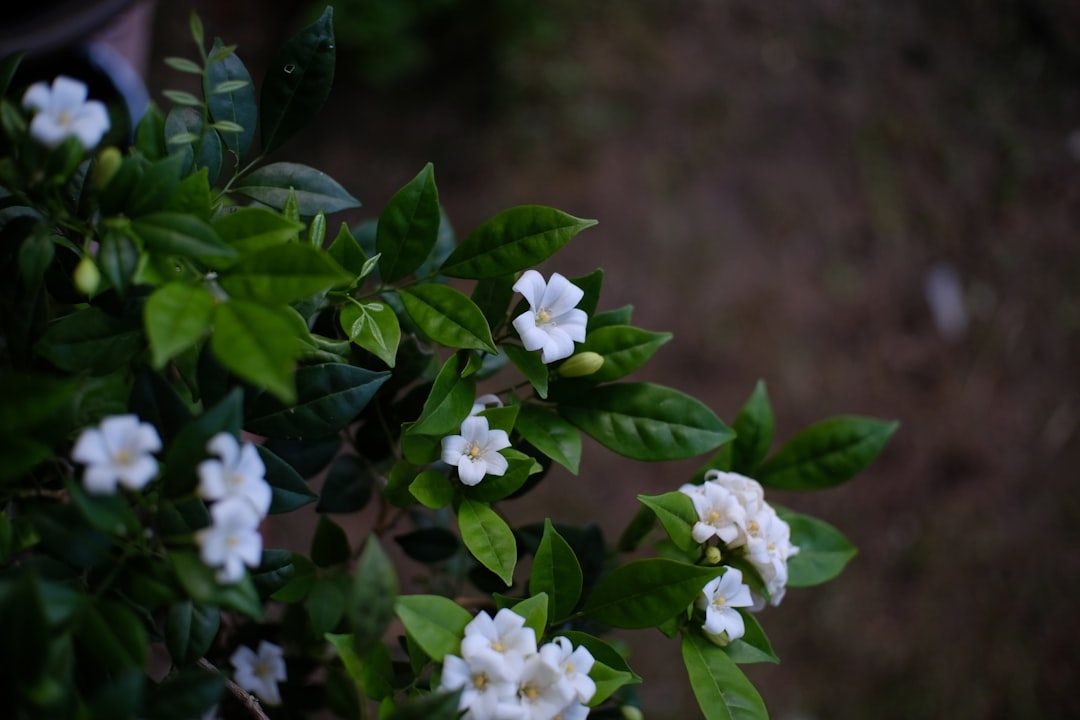
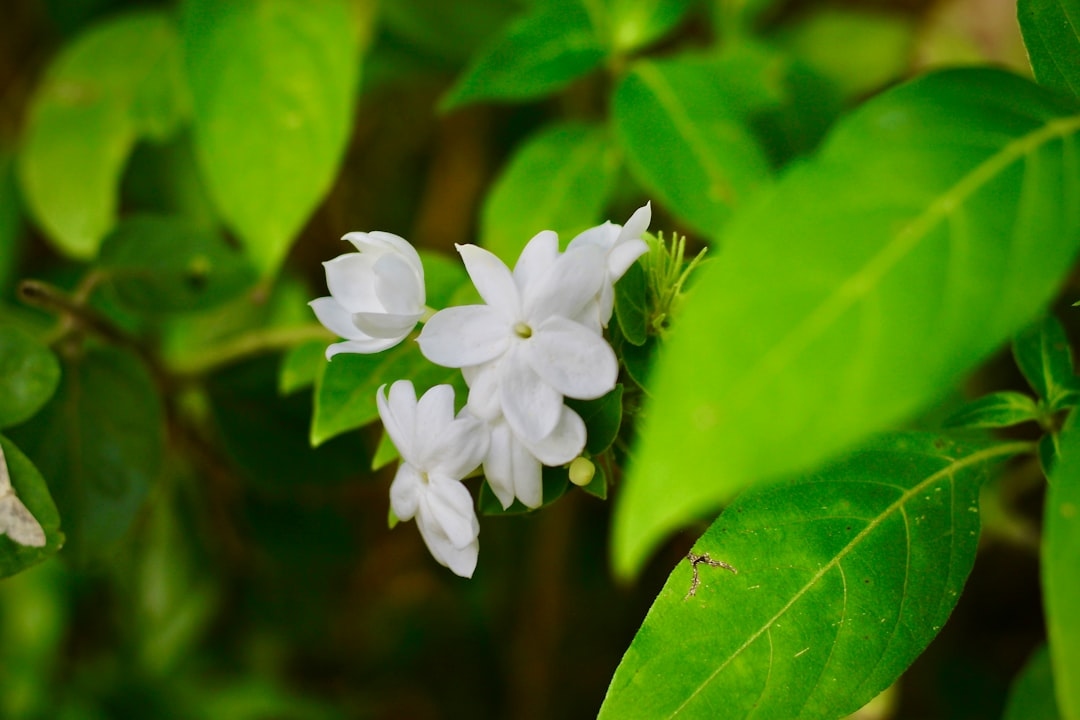
Many gardeners discover their “jasmine” isn’t actually jasmine at all. Trachelospermum jasminoides, commonly sold as Confederate jasmine or star jasmine, is a completely different genus. It blooms reliably on its own schedule and has slightly different care requirements. True jasmine (Jasminum spp.) is more sensitive to pruning timing and fertilizer, while Confederate jasmine is more forgiving and tends to bloom even in partial shade. If your plant has star-shaped white flowers with five petals and oval, glossy leaves arranged in opposite pairs, you likely have Confederate jasmine — and the troubleshooting approach shifts slightly. Focus on sunlight and water rather than chilling requirements.
Quick Cost Breakdown: Getting Jasmine to Bloom
Fixing a non-flowering jasmine doesn’t require a major investment. Here’s a realistic budget breakdown for common interventions:
- Bloom-boosting fertilizer (1 lb bag): $8–$15 — covers a full season for most plants
- Repotting supplies (new pot + potting mix + perlite): $20–$40 depending on pot size
- Soil moisture meter: $10–$20 — eliminates guesswork on watering
- Bypass pruning shears (quality pair): $25–$45 — a one-time investment that pays off for years
Total corrective spend: typically under $80, and often far less if you only need to address one or two factors.
Practical Tips to Encourage Flowering This Season
- Stop all nitrogen feeding by late July. This signals the plant to slow vegetative growth and shift toward reproduction.
- Give it a phosphorus boost in early spring. Bone meal (a natural, slow-release phosphorus source) worked into the top two inches of soil works well for in-ground plants.
- Thin crowded stems. Removing 20–30% of old, woody stems improves airflow and directs energy toward new growth, which carries the buds.
- Be patient with newly planted jasmine. Young plants typically take one to three full growing seasons before they flower consistently. A plant that isn’t blooming in year one isn’t necessarily sick — it may just be establishing its root system.
- Check your soil pH. Jasmine prefers slightly acidic to neutral soil, in the 6.0–7.0 range. A simple home test kit ($8–$12) can confirm whether soil acidity is a hidden factor.
FAQ: Jasmine Plant Not Flowering
Why is my jasmine growing but not flowering?
The most likely cause is excess nitrogen in the soil, which promotes leaf and stem growth at the expense of blooms. Switch to a high-phosphorus fertilizer and ensure the plant receives at least 6 hours of direct sun daily.
How long does it take for jasmine to bloom?
Most jasmine varieties take one to three years after planting to flower reliably. If your plant is newly established, it may simply need more time to mature before it channels energy into flowering.
Does jasmine need to be cut back to flower?
Yes, but timing is everything. Prune spring-blooming jasmine immediately after it finishes flowering — typically in early to mid-summer. Pruning in fall or winter removes the next season’s flower buds.
Can too much water stop jasmine from blooming?
Yes. Overwatering keeps the root zone saturated and oxygen-deprived, which disrupts the plant’s stress response that normally triggers bud formation. Let the top inch of soil dry out between waterings.
What fertilizer makes jasmine bloom?
Use a fertilizer with a high middle number (phosphorus), such as a 5-30-5 or 10-30-10 N-P-K ratio. Phosphorus is the key nutrient that supports root development and flower production in jasmine.
Getting Your Jasmine to Its Full Potential
A jasmine plant not flowering is a solvable problem — not a permanent condition. Work through the list methodically: check your fertilizer label, audit your sunlight hours, confirm your pruning calendar, and give the plant a proper winter chill if it lives indoors. Most gardeners find the culprit within one or two of these categories. Make the correction, give the plant a full growing season to respond, and there’s a strong chance you’ll be enjoying that signature fragrance by next summer — with a much clearer understanding of what your jasmine actually needs to thrive.