Contents:
- Why Dahlias Won’t Bloom: The Most Common Culprits
- Not Enough Sunlight
- Too Much Nitrogen in the Soil
- Planting Too Deep or Too Shallow
- The Timing Is Off
- Inconsistent Watering
- Practical Tips to Get Your Dahlias Blooming
- When to Be Concerned vs. When to Be Patient
- Frequently Asked Questions
- Why are my dahlias growing leaves but no flowers?
- How long does it take for dahlias to bloom after planting?
- Can dahlias bloom without full sun?
- Should I cut off dahlia buds to get more flowers?
- My dahlias bloomed last year. Why won’t they bloom this year?
- Ready to Try Again? Here’s Your Next Step
Dahlias are one of the most rewarding flowers you can grow — but when they sit there week after week with nothing but green leaves, it feels like a personal betrayal. The good news: there’s almost always a fixable reason. Once you know what to look for, getting your dahlias to bloom is completely doable, even if this is your very first garden.
Why Dahlias Won’t Bloom: The Most Common Culprits
Most dahlia problems come down to a handful of causes. Let’s go through each one so you can figure out exactly what’s happening in your garden.
Not Enough Sunlight
Dahlias are sun-hungry plants. They need a minimum of 6 to 8 hours of direct sunlight every single day. Anything less and they’ll put all their energy into growing leaves instead of flowers. If your plant is in a spot that gets morning shade or is blocked by a fence, a tree, or even a nearby building in the afternoon, that’s likely your problem right there.
This is especially common in the Northeast, where mature trees can cast more shade than you expect during summer. If you’re in the Pacific Northwest, overcast skies can also fool you — even a “sunny” spot might not be delivering the hours your dahlias actually need.
Too Much Nitrogen in the Soil
Fertilizer seems like a kind thing to give your plants, but the wrong kind works against you. Nitrogen encourages leafy, lush green growth — which sounds good, but it actively discourages blooming. If you’ve used a general all-purpose fertilizer or added fresh compost right at planting time, you may have overdone the nitrogen.
For dahlias, you want a low-nitrogen fertilizer. Look for something labeled with a higher phosphorus number — a ratio like 5-10-10 (nitrogen-phosphorus-potassium) is ideal for encouraging flower production. Apply it every three to four weeks once the plant is about 12 inches tall.
Planting Too Deep or Too Shallow
Dahlia tubers — the chunky, potato-like roots you plant in spring — are surprisingly picky about depth. Plant them too deep and they struggle to push up through the soil. Too shallow and they dry out or get damaged by temperature swings. The sweet spot is about 4 to 6 inches deep, with the “eye” (the small growth node on the tuber) facing upward.
The Timing Is Off
Patience plays a bigger role than most beginners expect. Dahlias planted in spring typically don’t bloom until mid to late summer — usually July through August, depending on your location. If you’re reading this in June and your dahlias look green and healthy but flowerless, you may simply need to wait.
In the South, where springs are warmer, dahlias often bloom earlier — sometimes by late June. In northern states like Minnesota or Maine, blooms can arrive as late as August. If you’re in a USDA Hardiness Zone 3 or 4, you’re working with a shorter window, so getting tubers in the ground by late May is critical to seeing blooms before the first frost.
Inconsistent Watering
Dahlias like consistent moisture, not drought followed by flooding. Aim for about 1 inch of water per week, either from rain or from you. During hot, dry spells — especially in July and August in the Midwest and Southwest — you may need to water two or three times a week. Uneven watering stresses the plant and delays or prevents flowering.
Practical Tips to Get Your Dahlias Blooming
- Pinch the plant early. When your dahlia reaches about 12 inches tall, pinch off the top set of leaves just above a leaf node. This encourages branching and leads to more flowers — not just one or two.
- Deadhead regularly. Once flowers do appear, remove spent blooms every few days. This signals the plant to keep producing new buds rather than going to seed.
- Check your soil pH. Dahlias prefer slightly acidic soil with a pH between 6.0 and 7.0. A simple soil test kit (available at any garden center for around $10–$15) can tell you if your soil needs adjusting.
- Avoid overhead watering. Wet foliage can encourage fungal disease. Water at the base of the plant whenever possible.
- Give them space. Tall dahlia varieties need at least 18 to 24 inches between plants. Crowded plants compete for nutrients and light, and blooming suffers as a result.
When to Be Concerned vs. When to Be Patient
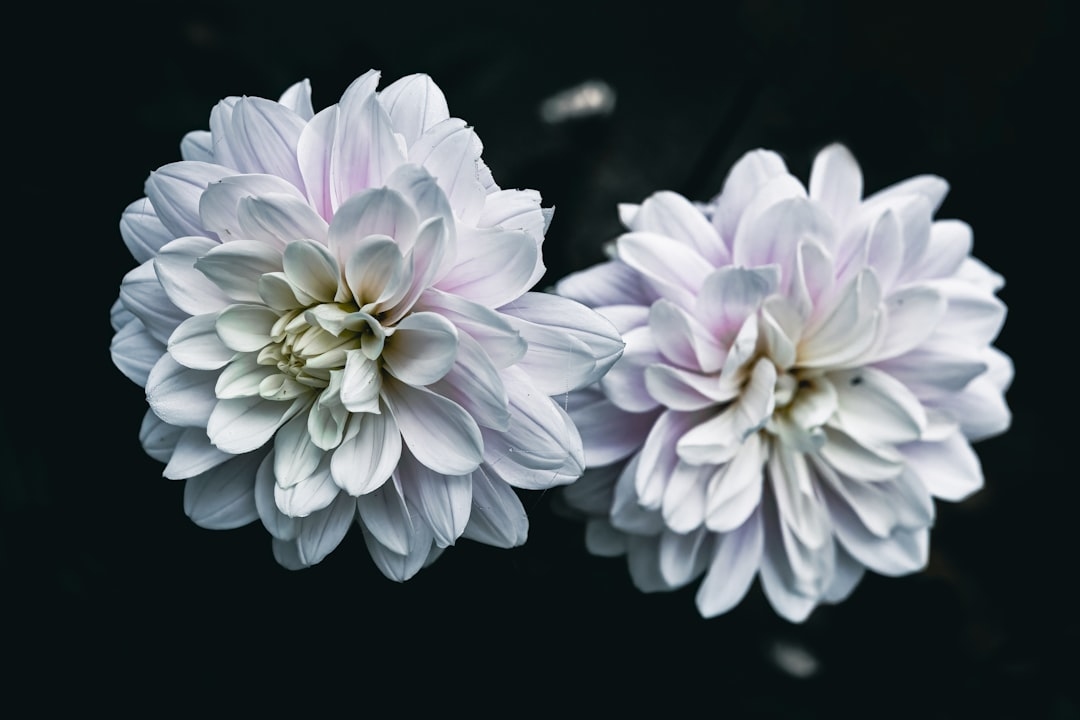
A healthy dahlia that’s simply not blooming yet will have strong, green stems and leaves with no spots, yellowing, or wilting. If that describes your plant and it went in the ground in April or May, there’s a good chance you just need to give it a few more weeks.
On the other hand, if the leaves are yellowing, the stems look weak, or the plant hasn’t grown much at all, something else is going on — possibly a waterlogged tuber, a pest problem, or a planting issue. In that case, gently dig up the tuber and inspect it. A healthy tuber is firm. A rotten one will be soft and smell bad, and unfortunately it won’t recover.
Frequently Asked Questions
Why are my dahlias growing leaves but no flowers?
The most common reason dahlias produce lots of leaves but no flowers is too much nitrogen in the soil or not enough direct sunlight. Check both. Switch to a low-nitrogen, high-phosphorus fertilizer (like 5-10-10) and make sure your plant gets at least 6 to 8 hours of sun daily.
How long does it take for dahlias to bloom after planting?
Dahlias typically take 8 to 12 weeks from planting to first bloom. If you planted in early May, expect flowers in late July or August. Warmer climates (Zones 7–10) tend to see blooms on the earlier end of that range.
Can dahlias bloom without full sun?
Technically yes, but not well. Dahlias in partial shade (fewer than 6 hours of sun) will grow but rarely bloom as freely or as fully as they would in full sun. If a sunnier spot isn’t available, choose a dwarf or compact variety, which tends to perform a little better in lower light.
Should I cut off dahlia buds to get more flowers?
Cutting off the very first central bud — a technique called “disbudding” — can encourage the plant to produce more lateral blooms. It feels counterintuitive, but it works. Many experienced growers do this routinely to get fuller, bushier plants with more flowers overall.
My dahlias bloomed last year. Why won’t they bloom this year?
If you overwintered your tubers and replanted them, check that they weren’t damaged by freezing or rotting in storage. Tubers stored in temperatures below 40°F can be killed. Also reassess your fertilizer and sunlight situation — conditions in your garden can change year to year, especially as nearby trees grow larger.
Ready to Try Again? Here’s Your Next Step
Go outside today and count the hours of sun your dahlia actually gets — not what you think it gets, but what it truly receives. Set a timer if you need to. That one check alone solves the mystery for a huge number of gardeners. From there, adjust your fertilizer, double-check your watering schedule, and give the plant a little more time than feels comfortable. Dahlias reward patience. By late summer, you’ll likely have more blooms than you know what to do with.