Contents:
- What Is Powdery Mildew, Exactly?
- Powdery Mildew vs. Downy Mildew — Don’t Confuse the Two
- Why Zinnias Are Especially Vulnerable to Powdery Mildew
- The Late-Season Surge
- How Powdery Mildew Spreads
- How to Treat Zinnias Powdery Mildew
- Baking Soda Spray
- Neem Oil
- Potassium Bicarbonate
- Remove Heavily Infected Leaves
- Prevention: Your Best Long-Term Strategy
- A Story From One of Our Readers
- Frequently Asked Questions About Zinnias and Powdery Mildew
- Can zinnias survive powdery mildew?
- Is it safe to deadhead or touch zinnias with powdery mildew?
- Does powdery mildew spread to other plants in my garden?
- Why do my zinnias get powdery mildew every year?
- What’s the best time to spray for powdery mildew on zinnias?
- Ready to Fight Back — and Win
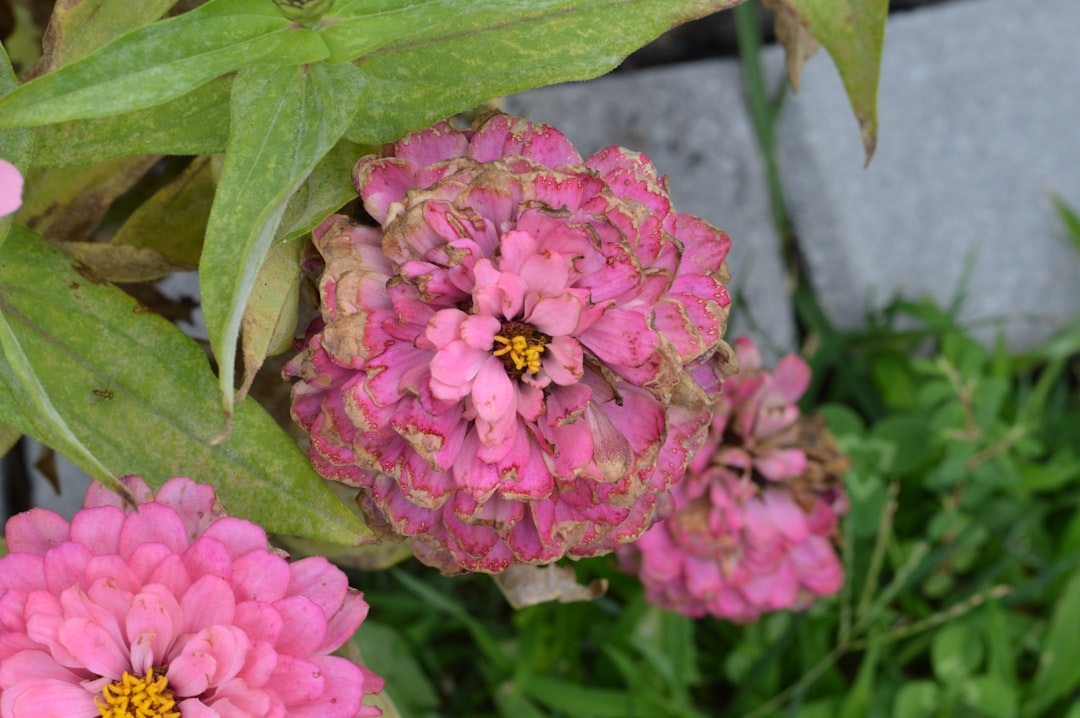
You walked out to your garden expecting a riot of color — bold orange, hot pink, cherry red — and instead you found your zinnias dusted in what looks like chalk. Frustrating doesn’t quite cover it. You grew these from seed. You watered them faithfully. And now they look like someone sneezed flour all over them.
Here’s the good news: zinnias powdery mildew is one of the most common fungal problems in the home garden, and it’s very manageable once you understand what’s actually happening. This isn’t a death sentence for your plants. It’s a signal — and once you learn to read it, you’ll know exactly how to respond.
What Is Powdery Mildew, Exactly?
Powdery mildew is a fungal disease caused by several species of fungi in the order Erysiphales. On zinnias specifically, the culprit is usually Golovinomyces cichoracearum (formerly classified as Erysiphe cichoracearum). Unlike most fungi, it doesn’t need wet conditions to thrive — in fact, it loves warm days, cool nights, and relative humidity between 50% and 90%. That’s classic late-summer weather across much of the US.
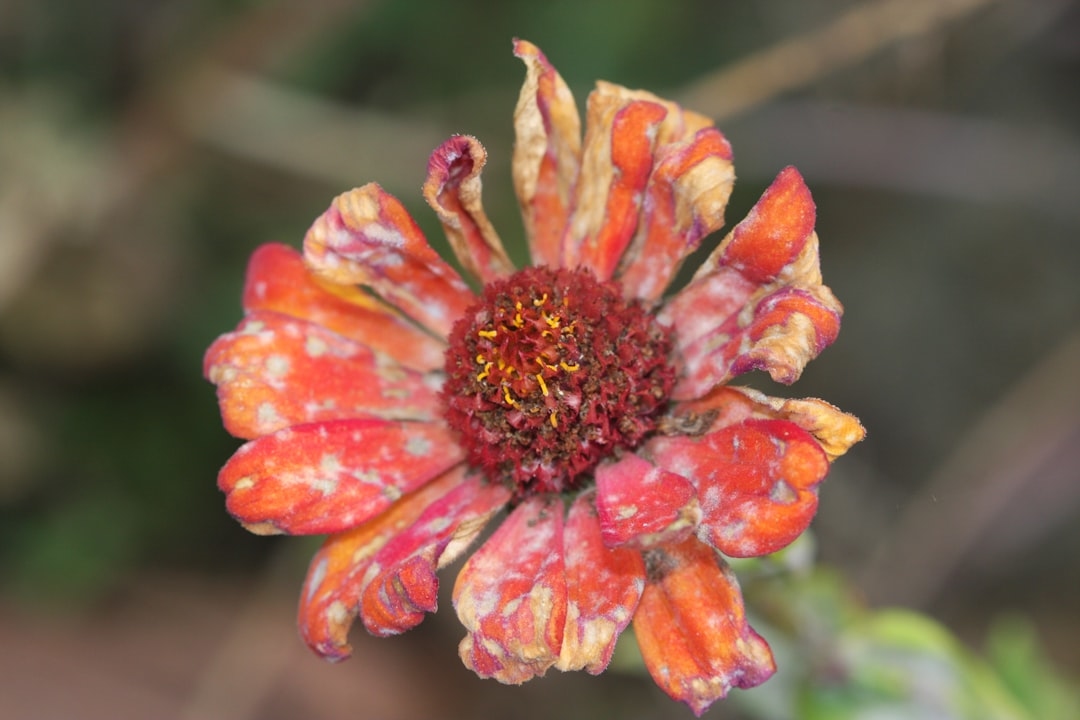
The white powdery coating you see isn’t dirt or dust. It’s actually the fungal mycelium and spores living on the surface of your plant’s leaves. Unlike root rot or bacterial wilt, powdery mildew stays mostly on the outside of plant tissue, which is part of why it responds well to surface treatments.
Powdery Mildew vs. Downy Mildew — Don’t Confuse the Two
A lot of beginners mix these up, and it matters because the treatments are different. Powdery mildew appears as white or gray powdery patches on the tops of leaves. Downy mildew, on the other hand, shows up as yellow blotches on the upper leaf surface with a grayish-purple fuzzy growth on the undersides. Downy mildew is caused by water molds (oomycetes) and actually does require wet, cool conditions — the opposite environment from powdery mildew. If you’re treating for the wrong one, you won’t get results. Flip the leaf and look closely before you act.
Why Zinnias Are Especially Vulnerable to Powdery Mildew
Zinnias (Zinnia elegans) are warm-season annuals that perform best in USDA Hardiness Zones 3–10 during summer. They love heat and full sun, but their large, soft leaves create the perfect microclimate for fungal spores to land and multiply. Add in the fact that most gardeners plant zinnias in dense, colorful clusters — because that’s how they look best — and you’ve created conditions where airflow between plants is poor.
Poor air circulation is the single biggest environmental factor behind zinnias powdery mildew. When leaves can’t dry out between dew cycles and there’s no breeze moving through the bed, spore counts build up fast. A planting density recommendation to keep in mind: standard zinnia varieties should be spaced at least 12 inches apart, and tall varieties like ‘Benary’s Giant’ benefit from 18 inches of space.
The Late-Season Surge
If your zinnias look fine through June and July and then crash in August or September, that’s completely normal. Powdery mildew tends to explode in late summer when nighttime temperatures start dropping while days remain warm. The fungus thrives in that temperature swing — typically when daytime highs are in the 70s–80s°F and nights dip into the 50s–60s°F. This is exactly the forecast across the Midwest, Mid-Atlantic, and Pacific Northwest in late summer.
How Powdery Mildew Spreads
The spores are airborne. They travel on the wind, on your hands, on garden tools — they don’t need water droplets to move around the way black spot or botrytis do. One infected plant can spread spores to its neighbors within days under the right conditions. This is why early detection and quick action matter so much.
Once spores land on a leaf, they germinate and push feeding structures called haustoria into the plant’s surface cells. They’re drawing nutrients from your zinnia while leaving that white residue on the outside. Heavily infected leaves will eventually yellow, curl, and drop. The plant usually survives but puts energy into fighting the infection rather than producing flowers.
How to Treat Zinnias Powdery Mildew
Treatment works best when started early — ideally at the first sign of white patches, before more than 20–30% of the foliage is covered. Once infection is widespread, you’re mostly managing rather than reversing.
Baking Soda Spray
Mix 1 tablespoon of baking soda with 1 teaspoon of horticultural oil and 1 gallon of water. Spray all leaf surfaces, including undersides, once a week. Baking soda raises the pH on the leaf surface to a level the fungus can’t tolerate. It won’t kill existing spores, but it stops new growth. Reapply after rain.
Neem Oil
Neem oil is pressed from the seeds of the neem tree and acts as both a fungicide and an insecticide. Use a ready-to-use product or mix 2 tablespoons of neem oil concentrate per gallon of water with a few drops of dish soap as an emulsifier. Apply in the early morning or evening — never in full sun, which can burn leaves. Neem oil is OMRI-listed for organic use and is safe around pollinators once dry.
Potassium Bicarbonate
This is the stronger cousin of baking soda. Products like Monterey’s bi-carb old disease control use potassium bicarbonate as the active ingredient, and university extension trials have shown it outperforms baking soda in side-by-side tests. Apply at label rates — typically around 1–3 tablespoons per gallon of water — every 7–14 days.
Remove Heavily Infected Leaves
Don’t compost them. Bag infected material and put it in the trash to prevent spores from cycling back into your garden. Sanitize your pruning shears with a 10% bleach solution or 70% isopropyl alcohol between cuts.
“I always tell my clients: treat at the first white spot, not the tenth. By the time the whole plant looks gray, you’ve lost weeks of flowering time. Potassium bicarbonate sprays twice a week for the first two weeks are the fastest way I know to stop an outbreak in its tracks.”
— Dana Whitmore, Certified Professional Horticulturist and owner of Greenthread Gardens, Portland, OR
Prevention: Your Best Long-Term Strategy
Treatment clears up an outbreak. Prevention keeps it from happening year after year. Here’s what actually works:
- Choose resistant varieties. ‘Zahara’ series zinnias were specifically bred for powdery mildew resistance and perform well in humid climates. ‘Profusion’ zinnias are another excellent choice for beginners in the Southeast or Mid-Atlantic where humidity is relentless.
- Water at the base, never overhead. Wet foliage doesn’t cause powdery mildew, but it creates favorable humidity around the plant. Use a soaker hose or drip irrigation and water in the morning so any splash dries quickly.
- Space plants generously. We covered this above — 12 to 18 inches apart depending on variety. It feels like a lot when seedlings are tiny, but it pays off completely by August.
- Apply preventive sprays before symptoms appear. If you had powdery mildew last year, start spraying neem oil or potassium bicarbonate as a preventive measure once plants are 6 inches tall — before you see any white.
- Clean up thoroughly in fall. Powdery mildew overwinters on plant debris. Cut everything down, bag it, and start fresh in spring.
A Story From One of Our Readers
Last summer, a reader named Claire from Columbus, Ohio wrote in to share her experience. She’d planted a 4-foot-wide zinnia border in late May and by mid-August, half her plants were gray with mildew. She’d been watering with an oscillating sprinkler every other evening — coating the leaves in moisture right as temperatures dropped overnight. She switched to a soaker hose, removed the worst-affected leaves, and started weekly potassium bicarbonate sprays. Within three weeks, the new growth coming in was clean, and she got another full month of blooms before frost. Same garden, same seeds — just a change in water delivery and a simple spray schedule.
Frequently Asked Questions About Zinnias and Powdery Mildew
Can zinnias survive powdery mildew?
Yes. Powdery mildew rarely kills zinnias outright. It reduces vigor, cuts flower production, and makes plants look ragged, but most infected plants will continue blooming if treated. Start treatment early and remove badly affected leaves to help the plant redirect energy into new growth.
Is it safe to deadhead or touch zinnias with powdery mildew?
Yes, but sanitize your tools between cuts using 70% isopropyl alcohol or a 10% bleach solution. Wash your hands after handling infected plants, and don’t compost the removed material — bag it for trash disposal to prevent spores from spreading.
Does powdery mildew spread to other plants in my garden?
Powdery mildew is host-specific in most cases. The strain that affects zinnias (Golovinomyces cichoracearum) also infects other plants in the daisy family (Asteraceae), like dahlias and sunflowers, but generally won’t jump to roses, cucumbers, or squash — those have their own powdery mildew species.
Why do my zinnias get powdery mildew every year?
If it’s recurring, the most likely causes are planting too close together, overhead watering, or overwintering spores in plant debris left in the bed. Switch to resistant varieties like ‘Zahara’, space plants 12–18 inches apart, and do a thorough fall cleanup to break the cycle.
What’s the best time to spray for powdery mildew on zinnias?
Early morning is ideal — spray when temperatures are below 90°F and there’s no direct sun to burn treated leaves. Avoid spraying in the evening, which leaves foliage damp overnight. Apply treatments every 7–14 days during active outbreaks, and every 2–3 weeks as a preventive measure.
Ready to Fight Back — and Win
Powdery mildew on zinnias is aggravating, but now you have the full picture: what causes it, why it loves late summer, how to tell it apart from downy mildew, and exactly how to treat and prevent it. Pick up a bottle of potassium bicarbonate or neem oil at your local garden center — both typically cost under $15 — and make that spray schedule part of your weekly garden routine. Next summer, when your neighbors’ zinnias are going gray in August, yours will still be blazing.