Contents:
- Why Flower Petals Turn Brown: The Big Picture
- The Most Common Reasons for Browning Petals
- Inconsistent or Incorrect Watering
- Heat and Sun Scorch
- Low Humidity
- Fungal Disease (Botrytis Blight)
- Pests
- Natural Aging (Senescence)
- Flower Petals Turning Brown vs. Yellowing Leaves: Know the Difference
- A Seasonal Guide to Brown Petal Problems
- Practical Fixes You Can Do This Weekend
- Budget Breakdown: Fixing Brown Petals Without Breaking the Bank
- Frequently Asked Questions About Flower Petals Turning Brown
- Why are my flower petals turning brown at the edges?
- Can brown petals turn back to their original color?
- Why are my cut flowers browning so fast in the vase?
- Is brown petal browning contagious to other plants?
- Why do my flowers brown right after I buy them?
- Ready to Bring Your Blooms Back?
Here’s something most gardeners don’t realize: a healthy flower petal is made up of roughly 90% water. Drop that internal moisture even slightly, and those velvety petals start to shrivel, discolor, and turn brown almost overnight. So if your blooms are looking a little crispy or sad right now, you’re not a bad gardener — you’re dealing with a very common, very fixable plant response. Flower petals turning brown is one of the top complaints at garden centers across the country, and the good news is that most cases come down to just a handful of causes.
Why Flower Petals Turn Brown: The Big Picture
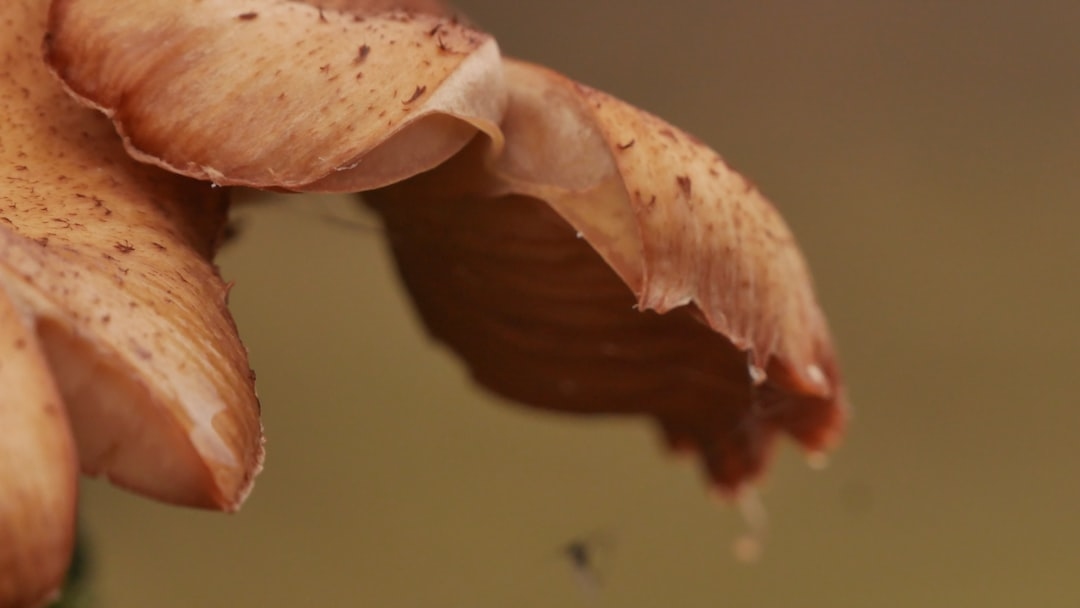
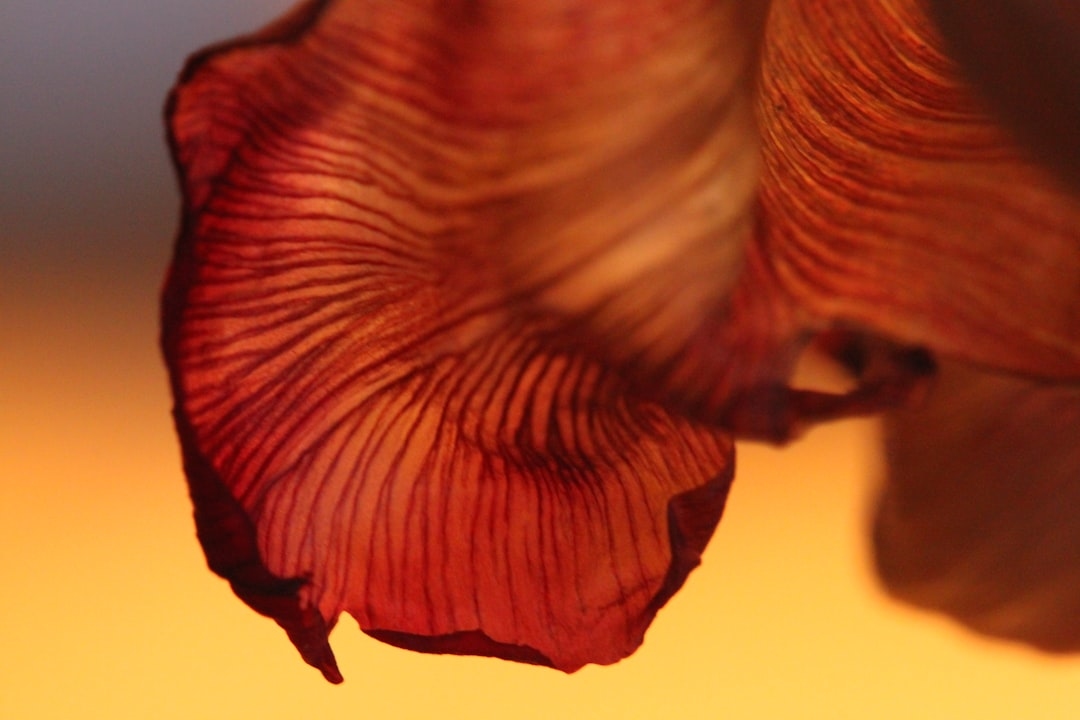
Plants don’t have voices, so they communicate through their appearance. Brown petals are essentially a distress signal — the flower equivalent of waving a white flag. The discoloration happens when petal cells die, either from dehydration, physical damage, disease, or environmental stress. Understanding which type of browning you’re seeing is the first step to fixing it.
Brown petals typically fall into two categories: edge browning (called “tip burn”) that starts at the margins and works inward, and center browning that starts at the base of the bloom. Each pattern points to a different culprit. Let’s break them down.
The Most Common Reasons for Browning Petals
1. Inconsistent or Incorrect Watering
Watering is the number-one cause of flower petal browning in both indoor and outdoor plants. Underwatering causes the plant to pull moisture from its petals first — that’s why you’ll often see edge browning on a plant whose soil is bone dry an inch below the surface. Overwatering is sneakier: it rots roots, cutting off the water supply entirely, which mimics drought stress.
A good rule of thumb for most flowering plants is to water deeply when the top 1–2 inches of soil feel dry. For container plants, that might mean watering every 2–3 days in summer heat. For garden beds, once or twice a week is typically enough — but always check the soil before reaching for the hose.
2. Heat and Sun Scorch
Petals are delicate tissue. Direct afternoon sun (especially in USDA Hardiness Zones 7–10 during July and August) can raise petal surface temperatures high enough to cause cell damage within hours. You’ll notice this as crispy, paper-thin browning on sun-facing petals — often just on one side of the bloom.
If your flowers are in containers, moving them to a spot with morning sun and afternoon shade can stop scorching almost immediately. For in-ground plants, a shade cloth rated at 30–40% light reduction costs as little as $15–$25 for a 6×6 ft panel and can make a huge difference through the hottest weeks of summer.
3. Low Humidity
Indoor flowering plants — think peace lilies, anthuriums, and orchids — are especially sensitive to dry air. When indoor humidity drops below 40% (common in winter when heating systems run constantly), petals lose moisture faster than roots can replace it. A basic digital hygrometer costs about $10–$15 and takes the guesswork out of monitoring your indoor environment. Placing a small humidifier nearby or grouping plants together can raise local humidity by 10–15%.
4. Fungal Disease (Botrytis Blight)
Botrytis cinerea — also called gray mold — is a fungal disease that causes soft, water-soaked brown spots on petals, often accompanied by a fuzzy gray coating. It spreads fastest in cool, damp conditions with poor air circulation. Spring (April–May) and fall (September–October) are peak Botrytis seasons in most of the US.
Remove affected blooms immediately to stop the spread. A copper-based fungicide spray applied every 7–10 days during high-risk periods is effective for prevention. Products run about $8–$20 per bottle at most garden centers.
5. Pests
Thrips are tiny, slender insects (barely 1/20 of an inch long) that feed on petal tissue, leaving behind silvery-brown streaks and distorted blooms. Spider mites cause a more generalized browning with fine webbing visible on the undersides of petals. Both are worse in hot, dry weather. A strong spray of water can dislodge mites; insecticidal soap (around $8–$12) handles both pests effectively within 1–2 treatments.
6. Natural Aging (Senescence)
Sometimes brown petals aren’t a problem at all — they’re just biology. Most cut flowers last 5–7 days in a vase, while garden blooms like daylilies are designed to last just 24 hours per flower. As flowers age, chlorophyll and water in the petals break down, causing natural browning from the center outward. Deadheading spent blooms (removing them before they fully brown) actually encourages the plant to produce more flowers.
Flower Petals Turning Brown vs. Yellowing Leaves: Know the Difference
These two symptoms are frequently confused, but they point to completely different problems. Brown petals almost always indicate an issue specific to moisture, environment, or disease affecting the flower itself. Yellow leaves, on the other hand, typically signal a nutrient deficiency (especially nitrogen or iron), root issues, or overwatering affecting the whole plant system.
If you’re seeing both yellow leaves and brown petals at the same time, overwatering or root rot is the most likely shared culprit. Check your drainage before doing anything else.
A Seasonal Guide to Brown Petal Problems
- January–March: Low humidity indoors; heating systems dry the air. Most common victim: orchids and indoor potted flowers.
- April–May: Cool, wet weather triggers Botrytis blight. Watch roses, peonies, and geraniums closely.
- June–August: Heat scorch and underwatering peak. Afternoon sun is the main aggressor in Zones 6–10.
- September–October: Early frosts can cause blackened, mushy browning overnight. Bring containers in when temps drop below 40°F.
- November–December: Natural senescence as annuals finish their cycle. Focus on bulb planting for next year’s blooms.
Practical Fixes You Can Do This Weekend
- Check soil moisture first. Stick your finger 1–2 inches into the soil before watering. This single habit prevents most overwatering and underwatering issues.
- Adjust your plant’s position. Move sun-scorched plants to morning sun only. Even a 3-foot shift can reduce petal damage dramatically.
- Improve air circulation. Space plants at least 12–18 inches apart to reduce fungal risk. A small oscillating fan near indoor plants works wonders.
- Deadhead regularly. Remove browning blooms every 2–3 days to redirect the plant’s energy to healthy flowers and new growth.
- Refresh cut flower water daily. Cut flower stems at a 45-degree angle every other day and change vase water completely. Adding a commercial flower preservative packet (usually free with purchased bouquets, or about $5 for a pack of 50) extends vase life by 2–3 days on average.
Budget Breakdown: Fixing Brown Petals Without Breaking the Bank
Most browning issues can be solved for under $30 total. Here’s a realistic cost snapshot:
- Digital soil moisture meter: $10–$15
- Shade cloth (6×6 ft): $15–$25
- Small humidifier (for indoor plants): $25–$40
- Copper fungicide spray: $8–$20
- Insecticidal soap: $8–$12
- Hygrometer (humidity monitor): $10–$15
You likely won’t need everything on this list. Identify your specific cause first, then spend only on what’s relevant. Most gardeners find that adjusting their watering routine alone — which costs nothing — solves the problem entirely.
Frequently Asked Questions About Flower Petals Turning Brown
Why are my flower petals turning brown at the edges?
Edge browning (tip burn) is most commonly caused by underwatering, low humidity, or salt buildup in the soil from over-fertilizing. Check soil moisture first. If the soil is adequately moist, flush the pot with plain water to remove excess fertilizer salts, and consider increasing humidity around the plant.
Can brown petals turn back to their original color?
No. Once petal cells die and turn brown, that discoloration is permanent. The fix is to remove the affected blooms and address the underlying cause so new flowers come in healthy. Deadheading encourages fresh blooms on most flowering plants within 1–3 weeks.
Why are my cut flowers browning so fast in the vase?
Bacteria in the vase water block the flower’s stem and prevent water uptake, causing rapid browning. Change the water daily, re-cut stems every other day at a 45-degree angle, keep the vase out of direct sun and away from fruit bowls (ethylene gas from ripening fruit accelerates flower aging), and use a flower preservative packet.
Is brown petal browning contagious to other plants?
It depends on the cause. Environmental browning (heat, drought, humidity) is not contagious. Fungal diseases like Botrytis blight absolutely are — spores spread through air and water splash. Isolate any plant showing fuzzy gray spots immediately and treat with a copper fungicide.
Why do my flowers brown right after I buy them?
Rapid browning after purchase usually means the flowers were already stressed before you got them — from improper cold storage, dehydration during transport, or ethylene exposure. Recut the stems by at least 1 inch, place immediately in fresh water with a preservative, and keep them in a cool spot (60–65°F is ideal) for the first few hours to help them recover.
Ready to Bring Your Blooms Back?
Now that you know what’s behind those flower petals turning brown, you have everything you need to diagnose and fix the problem quickly. Start with the basics — check your water, check your light, check for pests — and you’ll likely solve it without spending a dime. If you do need to treat for disease or adjust your setup, the investment is small and the payoff is big: healthy, vibrant blooms that actually live up to the effort you put in.
Take a photo of your plant right now and compare it against the causes listed above. That one small step will point you directly toward your solution — and toward a garden you’ll be proud to show off all season long.