Contents:
- The Long Journey Before the Vase
- What Happens During Transit
- Why Grocery Store Flowers Die Fast: The Big Culprits
- Bacteria in the Water
- The Stem Seal Problem
- Ethylene Gas Exposure
- Temperature Stress
- Reader Story: The Grocery Bouquet That Lasted Two Weeks
- How to Make Grocery Store Flowers Last Longer
- At the Store
- At Home
- Which Grocery Store Flowers Hold Up Best
- FAQ: Grocery Store Flowers Dying Fast
- Why do my grocery store flowers die after just 2 or 3 days?
- Does the little packet of flower food actually work?
- Should I put grocery store flowers in the refrigerator overnight?
- Why does the water in my flower vase smell bad so quickly?
- Are grocery store flowers lower quality than florist flowers?
- Start Fresh on Your Next Bouquet
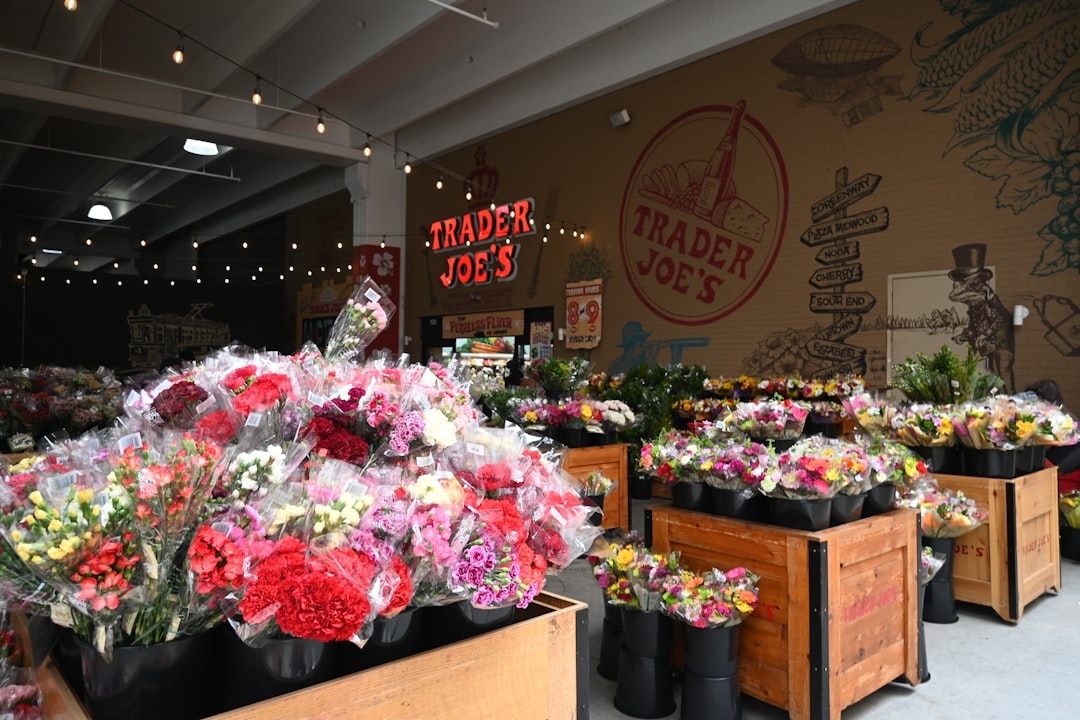
You pick up a bright, cheerful bouquet at the checkout line—sunflowers, some pink roses, a little greenery. You get home, trim the stems, plop them in a vase, and feel pretty good about yourself. Then, three days later, the petals are drooping, the water smells funky, and the whole arrangement looks like it gave up on life. Sound familiar? There’s a real reason grocery store flowers die fast, and it has almost nothing to do with anything you did wrong.
The good news: once you understand what’s actually happening to those flowers before they even hit the shelf, you can fight back. With a few small changes, you can realistically double the vase life of a grocery store bouquet—sometimes more.
The Long Journey Before the Vase
Here’s something most people don’t think about: those flowers traveled a long way to reach you. The majority of cut flowers sold in the US—around 80%, according to industry data—are imported, primarily from Colombia and Ecuador. They’re cut, packed, flown thousands of miles, processed through a distribution center, and then shipped to individual stores. From the moment a flower is cut, its clock starts ticking.
By the time a bouquet lands in the grocery store cooler, it may already be 5 to 7 days old. That’s nearly half of the typical 7-to-10-day vase life gone before you’ve even bought it. Florists who source from local growers or specialty wholesalers get blooms that are often only 1 to 2 days out of the field. That gap is enormous, and it explains almost everything.
What Happens During Transit
Cut flowers are living things. They respire, they consume sugars, and they’re vulnerable to bacteria. During long-haul shipping, even under refrigeration, flowers experience temperature fluctuations, ethylene gas exposure (a natural ripening hormone that speeds up aging), and dehydration from dry cargo air. By the time they reach a store, their cellular structures are already under stress.
Why Grocery Store Flowers Die Fast: The Big Culprits
Bacteria in the Water
This is the number one killer of cut flowers, and it’s invisible. When you put stems in water, bacteria from the cut end multiply rapidly and clog the stem’s vascular system—the tiny tubes that draw water up to the bloom. Within 24 to 48 hours in plain tap water, bacterial counts can reach levels that significantly restrict water uptake. The flower can’t drink properly, so it wilts even though it’s sitting in water. This is also what causes that sour, swamp-like smell in the vase.
The Stem Seal Problem
When a stem is cut, it immediately begins to seal itself—a natural defense mechanism that makes sense for a plant in the ground but is terrible for a cut flower. If you don’t re-cut the stems when you get home, you’re working with a partially or fully sealed base. Water simply can’t get in efficiently. Always cut at least half an inch off the bottom of each stem, and do it at a 45-degree angle to maximize the surface area for water absorption.
Ethylene Gas Exposure
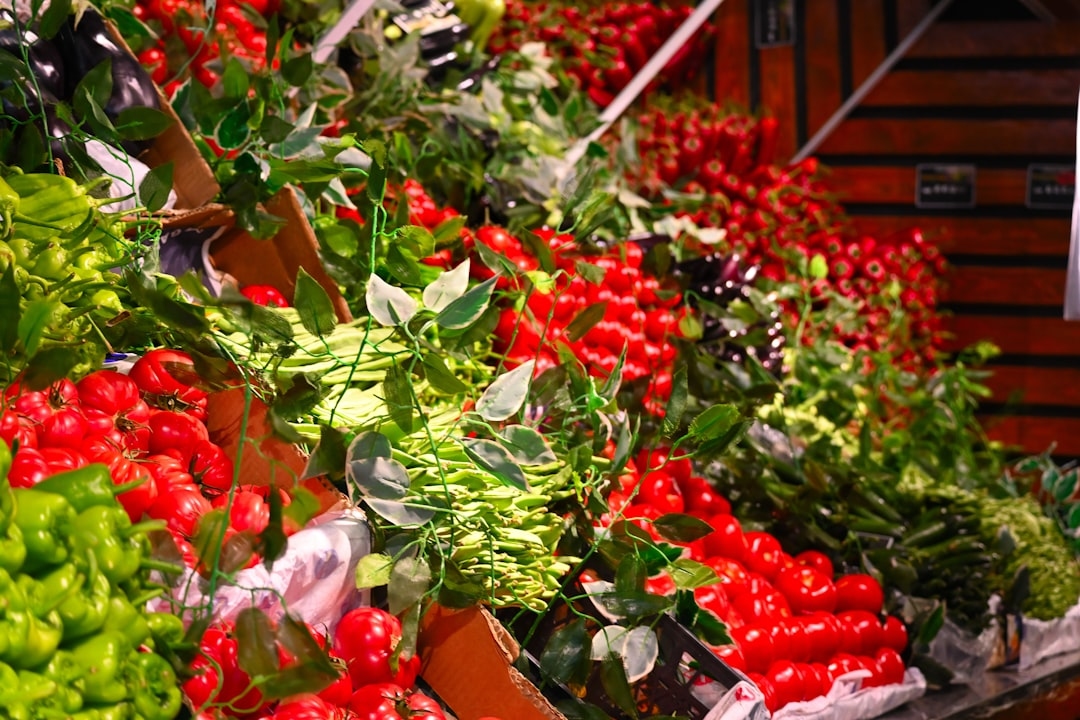
Ethylene is a colorless, odorless gas that fruits and vegetables naturally emit as they ripen. In a grocery store, flowers sit in close proximity to produce—and that ethylene exposure accelerates petal drop, yellowing, and wilting. Some flowers are particularly sensitive: carnations, snapdragons, and delphinium can lose days of vase life from even brief ethylene exposure. This is a structural problem with grocery store flower placement that you can’t control in the store, but you can minimize at home by keeping your bouquet away from the fruit bowl.
Temperature Stress
Flowers last longest when stored consistently between 33°F and 35°F. Grocery store coolers often cycle between 38°F and 45°F, and the ambient store temperature when flowers are handled or displayed without refrigeration speeds up respiration and aging. Every 10 degrees of warmth roughly doubles the rate at which flowers deteriorate.
🌿 What the Pros Know
Professional florists add a product called a floral preservative—sometimes called “flower food”—to every vase. Those little packets that come with bouquets aren’t just marketing. They contain three things: sugar (to feed the bloom), an acidifier (to lower pH and slow bacteria), and a biocide (to kill existing bacteria). Research from the Floriculture and Nursery Research Initiative found that flowers kept in preservative solution lasted an average of 60% longer than those in plain water. If you didn’t get a packet, mix 1 teaspoon of sugar, 1 teaspoon of white vinegar, and a few drops of bleach into a quart of lukewarm water. It works.
Reader Story: The Grocery Bouquet That Lasted Two Weeks
A reader named Marcy from Ohio shared her experience after picking up a mixed bouquet from her local supermarket for a dinner party. “I’d always just stuck them in a vase with water and been disappointed two days later,” she said. This time, she tried a different approach: she re-cut the stems at an angle, used a homemade preservative solution, stripped off any leaves that would sit below the waterline, and placed the vase in the coolest room in her house away from the sunny window. “They lasted 12 days. I couldn’t believe it. My guests kept asking if they were fresh from a florist.”
Marcy’s results aren’t magic—they’re the direct result of addressing the three biggest killers: bacteria, sealed stems, and heat. Any beginner can do exactly what she did.
How to Make Grocery Store Flowers Last Longer
At the Store
- Check the water in the bucket. If it’s cloudy or smells bad, skip that bunch. Fresh water means fresher flowers.
- Look at the leaves and petals. Avoid bouquets with yellowing leaves, slimy stems, or petals that are already browning at the edges.
- Shop the cooler, not the display. Flowers sitting at room temperature in a store display are aging faster than cooler-stored ones.
- Get flowers last. Pick them up at the end of your shopping trip so they spend less time in a warm cart.
At Home
- Re-cut stems immediately, ideally under running water or in a basin to prevent air bubbles from entering the cut end.
- Remove all foliage below the waterline. Submerged leaves rot fast and spike the bacteria count.
- Use a clean vase. Residual bacteria from a previous bouquet can cut vase life by days. Wash with dish soap and a splash of bleach, then rinse thoroughly.
- Change the water every two days and re-cut stems each time.
- Keep them cool and out of direct sunlight. A north-facing room or a spot away from windows is ideal. Avoid placing them near appliances that generate heat.
- Keep them away from fruit. That fruit bowl on the counter is actively releasing ethylene gas.
Which Grocery Store Flowers Hold Up Best
Not all flowers are equal when it comes to durability. If you’re shopping for longevity, these are your best bets at the grocery store:
- Chrysanthemums: Easily last 14+ days with proper care. Extremely hardy.
- Alstroemeria (Peruvian lily): 10 to 14 days, and individual blooms open in succession, so the bouquet keeps changing.
- Carnations: 7 to 14 days, often underrated because they’re considered old-fashioned. They’re workhorses.
- Stargazer lilies: Around 7 to 10 days, with dramatic blooms that open over several days.
Flowers that tend to fade fastest at grocery stores include tulips (sensitive to heat, typically 5 to 7 days), gerbera daisies (beautiful but delicate stems prone to bending), and tropical blooms like birds of paradise, which need specific conditioning that grocery store supply chains rarely provide.
FAQ: Grocery Store Flowers Dying Fast
Why do my grocery store flowers die after just 2 or 3 days?
Grocery store flowers often die quickly because they’re already 5 to 7 days old by the time you buy them, and bacteria in the vase water rapidly clogs their stems. Re-cutting stems and using a floral preservative solution can significantly extend their life.
Does the little packet of flower food actually work?
Yes—it’s one of the most effective things you can do. Floral preservative packets contain sugar, an acidifier, and a biocide that together feed the bloom and suppress the bacteria that choke stem uptake. Studies show flowers last up to 60% longer with preservative than in plain water.
Should I put grocery store flowers in the refrigerator overnight?
Yes, if you have space. Placing flowers in the fridge overnight (away from fruits and vegetables) slows their respiration and can meaningfully extend their life. This is essentially what florists do 24/7 in their commercial coolers.
Why does the water in my flower vase smell bad so quickly?
That smell is bacterial decomposition. Bacteria from the cut stems multiply in the water and break down organic matter. Changing the water every two days, removing submerged leaves, and adding a floral preservative will prevent the smell and keep flowers healthier longer.
Are grocery store flowers lower quality than florist flowers?
Not necessarily lower grade, but significantly older by the time you get them. The supply chain for grocery store flowers involves more steps and more time than a florist who sources from a local wholesaler. With proper care, the same variety of flower can perform just as well—it just requires more attention at the start.
Start Fresh on Your Next Bouquet
Armed with this, your next grocery store bouquet doesn’t have to be a disappointment. The moment you get home, give those stems a fresh cut, mix up a simple preservative solution, strip the lower leaves, and find a cool spot away from the fruit bowl. It takes about five minutes total—and it’s the difference between a three-day bouquet and a twelve-day one.
If you want to go even further, ask the floral department at your grocery store what days their shipments arrive. Shopping on delivery day means you’re getting flowers that are days fresher than mid-week purchases. That single habit can transform your results before you even get home.