Contents:
- The Most Common Reasons for Hibiscus Flowers Falling Off
- Inconsistent Watering
- Temperature Stress and Sudden Changes
- Low Humidity
- Nutrient Deficiencies (Especially Potassium)
- Pest Pressure
- Hibiscus Bud Drop vs. Normal Bloom Cycle: Don’t Confuse the Two
- Common Mistakes to Avoid
- Eco-Friendly Solutions That Actually Work
- Practical Steps to Stop Bud Drop This Season
- Frequently Asked Questions
- Why are my hibiscus buds falling off before they open?
- How do I stop hibiscus bud drop?
- Is it normal for hibiscus flowers to fall off after one day?
- Can overwatering cause hibiscus flowers to fall off?
- What fertilizer prevents hibiscus bud drop?
- Get Ahead of the Problem Next Season
Few gardening frustrations rival watching a hibiscus bud swell with promise, only to drop to the ground before it ever opens. You’ve watered it, placed it in a sunny spot, and given it your best attention — and still, those buds fall. You’re not alone, and more importantly, this problem is almost always fixable once you know what’s driving it.
Hibiscus plants are tropical divas at heart. They communicate stress through bud drop, and understanding their language makes all the difference between a bare-stemmed disappointment and a shrub covered in dinner-plate blooms.
The Most Common Reasons for Hibiscus Flowers Falling Off
Bud drop in hibiscus rarely has a single cause. More often, it’s a cascade — one stressor weakening the plant just enough for another to push it over the edge. That said, a handful of culprits account for the vast majority of cases.
Inconsistent Watering
Hibiscus are moisture-sensitive in both directions. Let the soil dry out completely and buds abort. Overwater and roots suffocate, triggering the same response. The sweet spot is consistently moist — not soggy — soil. For potted hibiscus, that often means watering every 1 to 2 days in summer heat. In-ground plants typically need about 1 inch of water per week, more during droughts. A simple moisture meter (available for under $15) removes the guesswork entirely.
Temperature Stress and Sudden Changes
Hibiscus thrive in USDA Hardiness Zones 9–11 outdoors year-round, but even gardeners in Zones 4–8 grow them as annuals or container plants. What most people don’t realize is that a temperature swing of just 10–15°F overnight can trigger mass bud drop. Moving a potted hibiscus from indoors to a breezy patio, or placing it near an air conditioning vent, stresses the plant enough to sacrifice its buds in favor of survival.
Low Humidity
Native to tropical regions, hibiscus prefer humidity levels above 50%. Indoor environments — especially during winter heating season — often drop to 20–30%. A small humidifier near your plant or a pebble tray filled with water beneath the pot can raise local humidity measurably without any extra chemicals or products.
Nutrient Deficiencies (Especially Potassium)
Hibiscus are heavy feeders. A lack of potassium — one of the three primary macronutrients — directly impairs flower development and bud retention. Look for a fertilizer with a ratio like 17-5-24 (nitrogen-phosphorus-potassium) and apply it every two weeks during the growing season. Avoid high-phosphorus fertilizers; despite conventional wisdom, too much phosphorus can actually inhibit blooming in hibiscus.
Pest Pressure
Aphids, spider mites, and thrips are the usual suspects. These insects feed on developing buds, injecting toxins that cause premature drop. Check the undersides of leaves and inside partially opened buds. A strong spray of water dislodges most pests; for persistent infestations, neem oil applied in the evening (to avoid harming pollinators) works effectively within 3 to 5 days.
Hibiscus Bud Drop vs. Normal Bloom Cycle: Don’t Confuse the Two
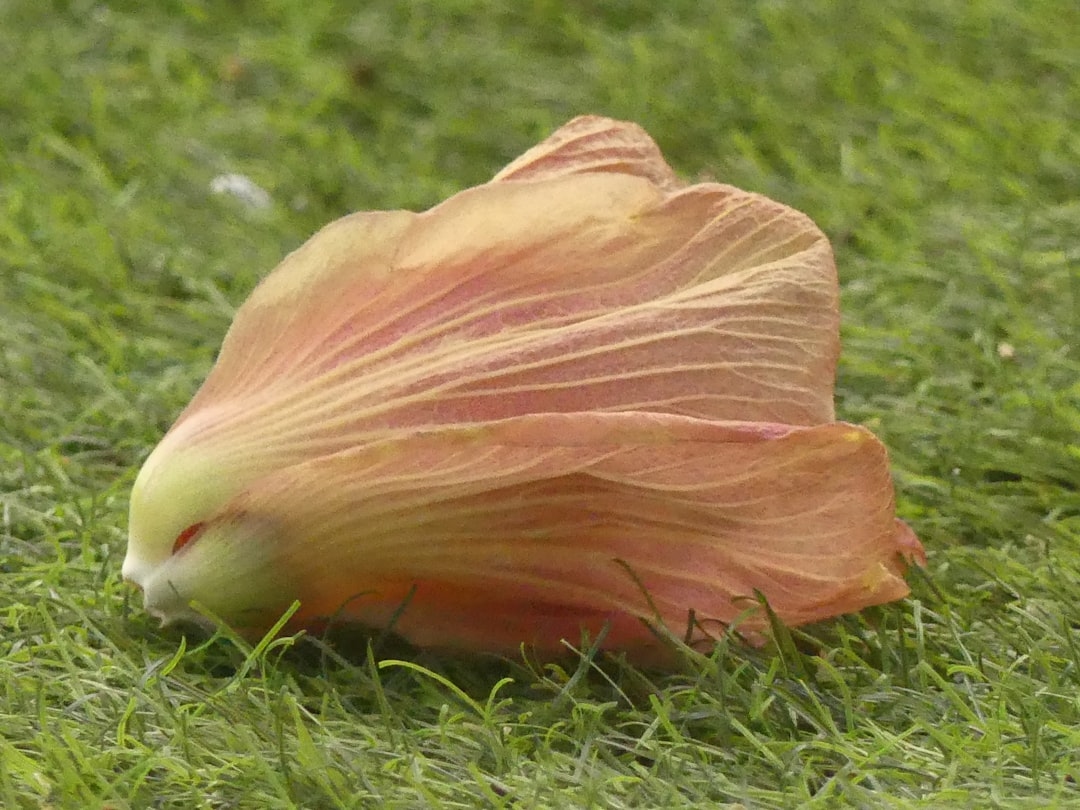
Here’s a comparison worth understanding. Tropical hibiscus (Hibiscus rosa-sinensis) naturally produce individual flowers that last only 24 hours before dropping. This is entirely normal and not a problem. Hardy hibiscus (Hibiscus moscheutos) blooms last slightly longer — up to 2–3 days — but also drop cleanly after their cycle.
The issue gardeners are actually experiencing — hibiscus flowers falling off before they open — is bud drop, not post-bloom drop. If the flower never unfurled, something interfered with the process. If it opened fully and then dropped after a day or two, that’s the plant doing exactly what it’s supposed to do.
Misidentifying normal bloom turnover as a problem leads many gardeners to overwater or over-fertilize in response, which only worsens genuine bud drop. Know what you’re looking at before you intervene.
Common Mistakes to Avoid
- Repotting at the wrong time: Repotting during the blooming season stresses roots enough to cause immediate bud drop. Wait until late winter or early spring.
- Using the wrong fertilizer: High-phosphorus “bloom booster” fertilizers are counterproductive for hibiscus. Stick to potassium-rich formulas.
- Placing near drafts: Both hot and cold air drafts — from vents, fans, or windows — create the temperature instability hibiscus hate most.
- Inconsistent light: Hibiscus need at least 6 hours of direct sunlight daily. Moving them between high-light and low-light locations stresses the plant and interrupts bud development.
- Ignoring soil pH: Hibiscus prefer slightly acidic soil between pH 6.0 and 7.0. Soils outside this range lock out nutrients even when they’re present.
Eco-Friendly Solutions That Actually Work
Reaching for synthetic pesticides or chemical fertilizers isn’t the only path forward — and in many cases, it’s not even the most effective one. Compost tea, made by steeping finished compost in water for 24–48 hours, provides a balanced micronutrient boost and beneficial microbes that support root health. Applied every two weeks, it can rival synthetic feeding programs for hibiscus vitality.
For pest control, encouraging beneficial insects is a longer-term but sustainable strategy. Planting marigolds, dill, or fennel nearby attracts lacewings and parasitic wasps that naturally suppress aphid populations. This approach reduces chemical inputs, supports local pollinator health, and creates a more resilient garden ecosystem overall — not just a quick fix for one plant.
Even water management can go greener. Collecting rainwater for hibiscus irrigation avoids the chlorine and fluoride in municipal tap water, both of which can mildly stress sensitive tropical plants over time.
Practical Steps to Stop Bud Drop This Season
- Check soil moisture daily and establish a consistent watering schedule based on your climate and container size.
- Move the plant to a stable location with at least 6 hours of direct sun and no exposure to heating or cooling vents.
- Start a biweekly feeding program with a high-potassium fertilizer as soon as new growth appears in spring.
- Inspect buds and leaf undersides weekly for pest activity; treat early with neem oil or insecticidal soap.
- If growing indoors, add a humidity tray or small humidifier and keep room temperature between 60°F and 90°F.
Frequently Asked Questions
Why are my hibiscus buds falling off before they open?
The most common causes are inconsistent watering, temperature fluctuations, low humidity, potassium deficiency, or pest damage. Identify which stressor applies to your plant’s environment and address it directly — most cases resolve within one to two growth cycles.
How do I stop hibiscus bud drop?
Maintain consistent soil moisture, stable temperatures between 60°F and 90°F, and humidity above 50%. Feed with a high-potassium fertilizer every two weeks during the growing season and inspect regularly for pests.
Is it normal for hibiscus flowers to fall off after one day?
Yes. Tropical hibiscus blooms last only 24 hours, and hardy hibiscus blooms last 2 to 3 days. A flower that opened fully and then dropped is completing its natural cycle. The concern is buds that drop before opening at all.
Can overwatering cause hibiscus flowers to fall off?
Absolutely. Overwatering suffocates roots, which impairs the plant’s ability to support bud development. Ensure containers have drainage holes and that in-ground soil doesn’t stay waterlogged. Allow the top inch of soil to dry slightly between waterings.
What fertilizer prevents hibiscus bud drop?
A fertilizer high in potassium — such as a 17-5-24 NPK ratio — supports bud retention and flower development. Avoid high-phosphorus fertilizers, which can paradoxically reduce blooming in hibiscus plants.
Get Ahead of the Problem Next Season
Hibiscus bud drop is almost never a mystery once you know what to look for. The plant is giving you clear signals — you just need the framework to read them. Start with water and temperature consistency, add a proper feeding program, and stay ahead of pests with weekly checks. Plants that receive this level of attention routinely produce dozens more blooms per season than neglected ones.
If you’ve ruled out the common causes and hibiscus flowers falling off persists, consider getting a soil test through your local cooperative extension service — often available for $15 to $25. It takes the guesswork out of pH and nutrient levels, giving you a precise starting point rather than a process of elimination. A single test can save an entire season of frustration.