Contents:
- Understanding What Geraniums Actually Need to Bloom
- The Most Common Reasons Geraniums Stop Flowering
- Not Enough Sunlight
- Overwatering (and Poor Drainage)
- Too Much Nitrogen
- Forgetting to Deadhead
- Root-Bound Containers
- Common Mistakes to Avoid
- Seasonal Factors That Affect Blooming
- Heat Stress in Peak Summer
- End-of-Season Fatigue
- Practical Steps to Get Your Geraniums Blooming Again
- FAQ: Geraniums Not Flowering
- Why do my geraniums have lots of leaves but no flowers?
- How much sun do geraniums need to flower?
- Should I cut back geraniums to encourage flowering?
- Why did my geraniums stop blooming in summer?
- Can a root-bound geranium still flower?
- Give Them What They’re Asking For
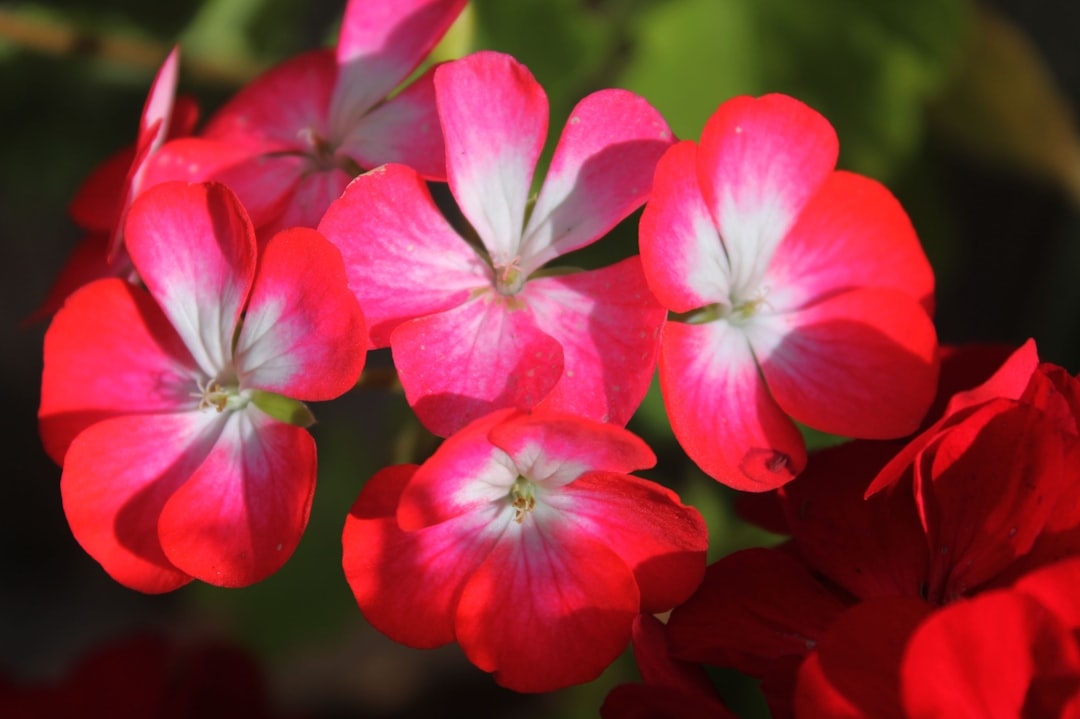
You planted them with such optimism. Maybe they even bloomed beautifully at first — those cheerful clusters of red, coral, or white that make a porch feel genuinely welcoming. And then, nothing. Green leaves, sturdy stems, and a whole lot of disappointment. If your geraniums not flowering has become your summer mystery, you’re far from alone. It’s one of the most common frustrations among gardeners who’ve moved past the beginner stage and started actually paying attention to their plants.
The good news? This is almost always fixable. Geraniums (Pelargonium spp.) are remarkably responsive plants — push the right levers and they reward you fast. The trick is knowing which lever to push.
Understanding What Geraniums Actually Need to Bloom
Geraniums are native to South Africa, which tells you something crucial about their preferences: they evolved in bright, warm, somewhat dry conditions. They’re not woodland plants. They’re not shade-tolerant background fillers. They want sun, they want heat, and they want to dry out a little between waterings.
When those core conditions aren’t met, geraniums make a logical decision: skip the flowers and just survive. Blooming is expensive, metabolically speaking. A stressed plant conserves energy. Your job is to remove the stress.
The Most Common Reasons Geraniums Stop Flowering
Not Enough Sunlight
This is the number one culprit. Geraniums need a minimum of 6 full hours of direct sunlight per day — not bright indirect light, not dappled shade. Direct sun. In USDA hardiness zones 4–8, where summers are shorter, aim for 8 hours if you can get it.
A container geranium that’s been nudged into a shadier corner “just for a few days” can drop its bud production noticeably within a week. Move it back into full sun and you’ll typically see new bud formation within 10–14 days.
Overwatering (and Poor Drainage)
Soggy roots are a flowering killer. Geraniums prefer the soil to dry out in the top inch before the next watering. In containers, that might mean watering every 2–3 days in peak summer heat. In cooler weather or shadier spots, it could stretch to once a week.
Always check drainage. If your pot doesn’t have holes or the saucer is sitting full of water, the roots are suffocating — and a suffocating plant does not flower.
Too Much Nitrogen
Nitrogen drives leafy, green growth. Feed a geranium a high-nitrogen fertilizer and you’ll get a beautiful, lush, completely flowerless plant. Use a bloom-boosting fertilizer with a higher middle and last number — something like a 15-30-15 formula. Feed every 2 weeks during the growing season, and switch to a balanced 10-10-10 in late summer.
Forgetting to Deadhead
Spent blooms left on the plant signal that seed production is underway. The plant thinks its job is done. Regular deadheading — snapping or cutting off faded flower clusters right at the base of the stem — tells the plant to keep producing new flowers. Do it every few days during peak bloom season.
Root-Bound Containers
A geranium crammed into a too-small pot will divert energy to root survival rather than flowering. If roots are circling the bottom of the pot or emerging from drainage holes, it’s time to go up one size — typically to a container 2 inches larger in diameter. Don’t jump too large; an oversized pot holds excess moisture and can cause root rot.
Common Mistakes to Avoid
- Cutting back too aggressively mid-season. A hard prune in July removes all the developing buds. Light pinching is fine; major cutting should happen in early spring or late fall.
- Using slow-release vegetable fertilizer. These are often nitrogen-heavy. Use a product specifically formulated for flowering plants.
- Watering on a rigid schedule. Check the soil. Environmental conditions change — watering every Tuesday whether the soil needs it or not leads to overwatering in cool spells and underwatering in heat waves.
- Ignoring pests. Spider mites and whiteflies stress geraniums enough to suppress flowering. Check the undersides of leaves regularly. A strong spray of water or insecticidal soap handles most infestations before they become serious.
- Skipping the winter rest. For overwintered geraniums, a proper dormant period (cool temps, reduced water) is what sets them up to bloom explosively in spring. Skip it and they come back tired.
Seasonal Factors That Affect Blooming
Heat Stress in Peak Summer
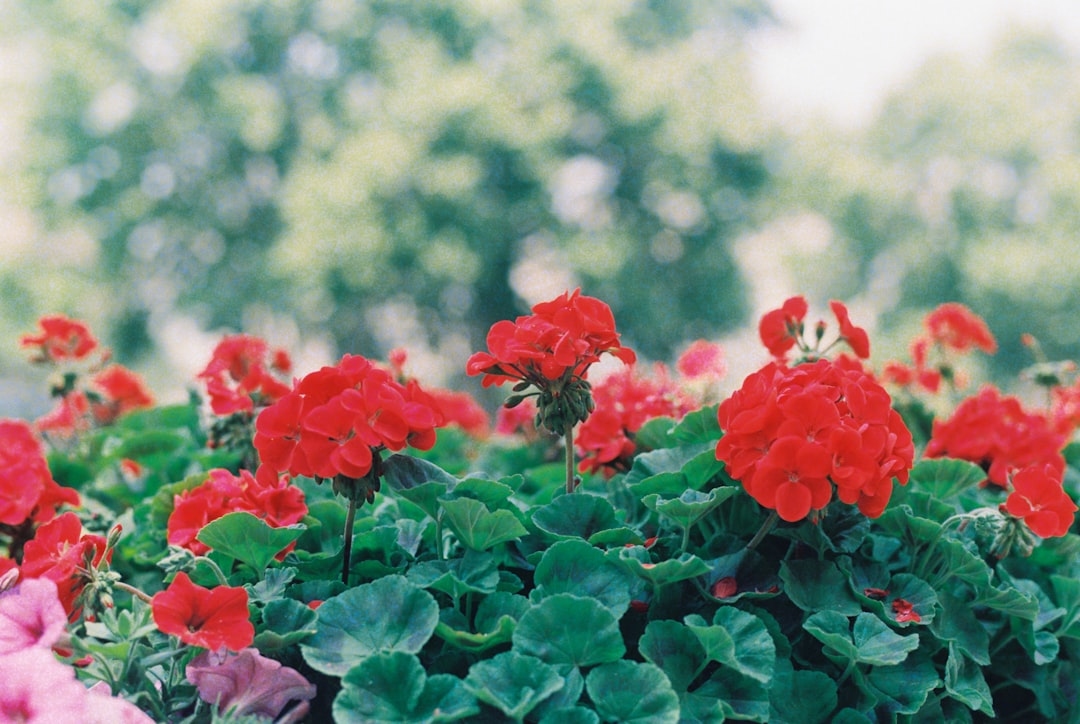
Here’s a plot twist: geraniums can actually pause blooming when temperatures consistently exceed 90°F. This is especially common in zones 8–10. It’s not a failure — it’s a survival mechanism. The plant will resume flowering once temperatures drop back into the 65–80°F range. In the meantime, make sure they have afternoon shade in brutal heat and consistent moisture.
End-of-Season Fatigue
By late August, container geraniums that haven’t been fertilized since June are often nutrient-depleted. A mid-season liquid feed with a bloom formula can kick them back into flowering mode for a beautiful September finish — a trick many experienced gardeners swear by.
Practical Steps to Get Your Geraniums Blooming Again
- Audit the light. Use a light meter app (free on most smartphones) to check actual sun hours. If it’s under 6, move the plant — immediately.
- Check the soil moisture. Stick your finger an inch into the soil. If it’s wet, hold off watering and improve drainage.
- Switch fertilizers. Stop any high-nitrogen feed. Start a bloom formula this week.
- Deadhead everything. Remove every spent bloom cluster, right down to where the flower stem meets the main stem.
- Inspect for pests. Flip a few leaves. If you see tiny dots or sticky residue, treat immediately.
- Consider the pot size. If the plant is crammed in, repot into the next size up using fresh, well-draining potting mix.
Work through this list systematically and most geraniums respond within 2–3 weeks. You don’t need to fix everything at once — start with light, then fertilizer, and go from there.
FAQ: Geraniums Not Flowering
Why do my geraniums have lots of leaves but no flowers?
Excess nitrogen is usually the cause. Too much nitrogen fertilizer pushes plants to produce lush foliage at the expense of blooms. Switch to a low-nitrogen, high-phosphorus fertilizer (like a 10-30-20) and you should see buds within a few weeks.
How much sun do geraniums need to flower?
Geraniums need at least 6 hours of direct sunlight per day to flower reliably. In northern states (zones 4–6), 8 hours is even better. Less than 4 hours and flowering may stop entirely.
Should I cut back geraniums to encourage flowering?
Light pinching encourages branching and more flower stems. Remove spent blooms regularly. Avoid heavy pruning mid-season — save significant cutting for early spring to stimulate vigorous new growth before the season begins.
Why did my geraniums stop blooming in summer?
Geraniums often pause blooming when temperatures consistently top 90°F. This is normal heat-induced dormancy. Ensure afternoon shade during peak heat, maintain consistent moisture, and they’ll resume flowering when temperatures cool to the 65–80°F range.
Can a root-bound geranium still flower?
A severely root-bound geranium struggles to flower because the plant is focused on root survival. Repot into a container 2 inches larger with fresh, well-draining potting mix to restore normal blooming cycles.
Give Them What They’re Asking For
Geraniums are not difficult plants — they’re just communicative ones. When they stop flowering, they’re telling you something specific is off. Treat the diagnosis like a checklist: light, water, fertilizer, deadheading, pot size. Methodically work through each one and they’ll respond. Most gardeners find that fixing just one or two factors brings their plants back to full, vibrant bloom faster than expected.
And once you’ve cracked the code on your own geraniums? You’ll find yourself looking at other gardeners’ struggling plants with a knowing eye — and knowing exactly what to say.