Contents:
- Why Grocery Store Flowers Deserve More Credit
- What to Buy: Best Grocery Store Flowers for a Centerpiece
- Focal Flowers (the stars)
- Filler Flowers and Greenery (the supporting cast)
- One “Wow” Stem
- Grocery Store Centerpiece DIY: Step-by-Step
- Step 1: Condition Your Flowers First
- Step 2: Choose Your Vessel
- Step 3: Build in Layers
- Step 4: Refine and Style
- Budget Breakdown: What a DIY Centerpiece Actually Costs
- Pro Tips for a More Polished Result
- Centerpiece Ideas by Event Type
- Frequently Asked Questions
- How long will a grocery store flower centerpiece last?
- How many flowers do I need for one centerpiece?
- What’s the easiest grocery store flower arrangement for beginners?
- Can I make centerpieces the night before an event?
- Which grocery stores have the best flowers?
You’ve got an event coming up, a budget that isn’t going to stretch to a florist, and a sneaking suspicion that the flowers at your local Trader Joe’s or Whole Foods might actually be… good enough. Spoiler: they’re more than good enough. A grocery store centerpiece DIY can look every bit as polished as something from a boutique flower shop — if you know what to buy and how to put it together. This guide walks you through exactly that.
Why Grocery Store Flowers Deserve More Credit
There’s a persistent myth that grocery store flowers are the consolation prize of the floral world. In reality, many major chains source from the same wholesale distributors that supply professional florists. The difference isn’t the flower — it’s the handling and the markup.
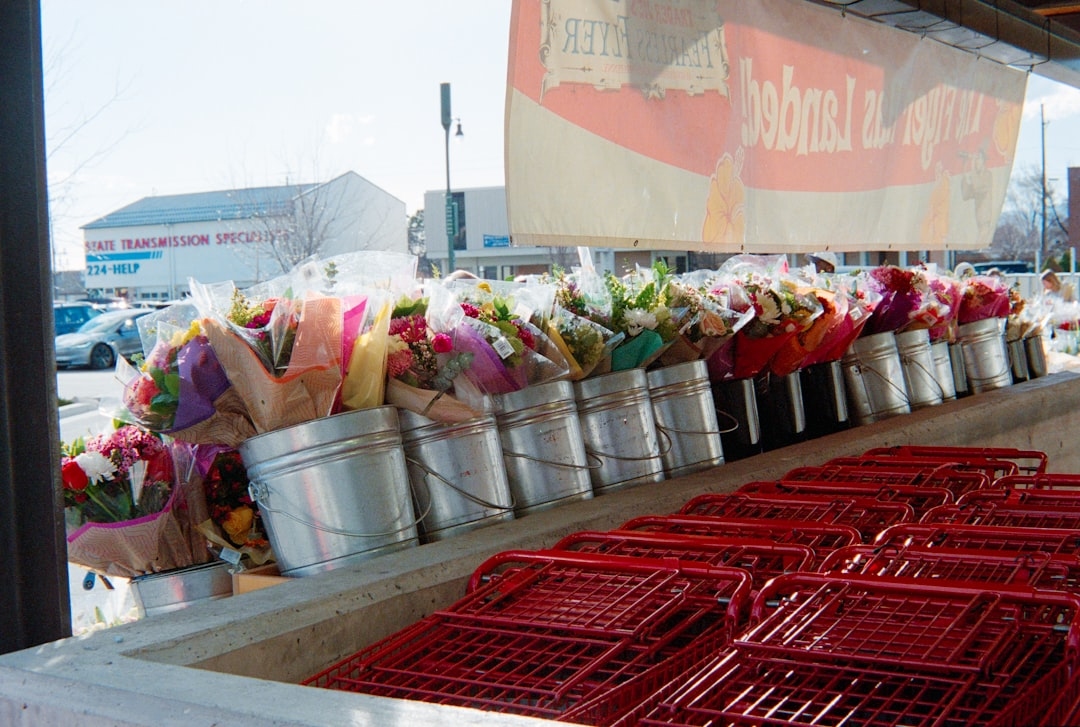
Supermarkets like Trader Joe’s, Whole Foods, Costco, and even many regional grocery chains receive fresh flower shipments two to three times per week. If you shop on delivery day — typically Tuesday through Thursday — you’re often getting blooms that are just as fresh as what you’d find at a dedicated flower shop, at a fraction of the price.
“Grocery store flowers are genuinely underestimated,” says Claire Ashworth, a certified floral designer and horticulturist with 14 years of experience in event floristry. “The stems are often longer, the variety selection is surprisingly broad, and because the turnover is high, freshness usually isn’t the issue people assume it is. The real skill is in the curation and conditioning.”
What to Buy: Best Grocery Store Flowers for a Centerpiece
Not every flower in the grocery store cooler is equally suited for a centerpiece. You want blooms that hold their shape at room temperature, play well with others, and look intentional rather than thrown together. Here’s what to reach for.
Focal Flowers (the stars)
- Roses: Reliable, classic, and almost always available. A bundle of 12 stems typically runs $8–$14.
- Sunflowers: Bold and cheerful, perfect for casual or rustic tables. Usually sold in 5-stem bunches for $6–$9.
- Alstroemeria (Peruvian lily): Long-lasting, multi-bloom stems that add volume. Often $5–$7 per bunch.
- Gerbera daisies: Bright, graphic, and very long-lasting. Great for modern or colorful themes.
Filler Flowers and Greenery (the supporting cast)
- Baby’s breath: A classic filler that adds airiness. Usually $4–$6 per bunch.
- Eucalyptus: Fragrant, elegant, and increasingly common in grocery stores. Around $5–$8 per stem bunch.
- Leatherleaf fern: Inexpensive and sturdy; adds depth and a lush, layered feel.
- Waxflower: Tiny blooms on branching stems that create texture without competing with focal flowers.
One “Wow” Stem
If budget allows, pick up one or two premium stems to elevate the whole arrangement — a single garden spray rose, a stem of lisianthus, or a protea. These single-stem standouts cost $3–$6 each and do a disproportionate amount of visual heavy lifting.
Grocery Store Centerpiece DIY: Step-by-Step
Before you start arranging, set yourself up for success. Good conditioning makes the difference between flowers that last three days and flowers that last ten.
Step 1: Condition Your Flowers First
As soon as you get home, cut all stems at a 45-degree angle — about 1 to 2 inches from the bottom — using sharp scissors or floral snips. Remove any leaves that would sit below the waterline in your vase. Place stems immediately into cool water and let them hydrate for at least 2 hours (overnight is even better) before arranging.
Warm water speeds hydration for most flowers, but roses and hydrangeas actually prefer cool water. If your grocery store provides those small flower food packets, use them — they contain a sugar for nutrition, an acidifier to improve water uptake, and a biocide to slow bacterial growth.
Step 2: Choose Your Vessel
The vase is doing more work than you think. For a standard 6-person dinner table centerpiece, aim for a vessel that’s roughly 6–8 inches tall if you want a low, lush arrangement, or 12–14 inches for something more dramatic. Classic options:
- A clear glass cylinder or fish bowl (versatile, inexpensive, available at dollar stores)
- A mason jar or pitcher for a casual, farmhouse-style look
- A low ceramic bowl or compote dish for a lush, garden-style arrangement
- A terra cotta pot lined with a plastic bag for a rustic outdoor feel
If your vase opening is wide, criss-cross a grid of clear tape across the top — this acts like floral foam and keeps stems exactly where you place them.
Step 3: Build in Layers
Start with your greenery. Add eucalyptus, fern, or any leafy stems first to establish the shape and size of the arrangement. Think of this as drawing the outline before you fill in the color.
Next, add your focal flowers. Work in odd numbers — three or five blooms tend to look more natural than two or four. Vary the stem heights slightly; a difference of just 1–2 inches between blooms adds dimension without looking messy.
Finally, tuck in your filler flowers and any “wow” stems. Filler should nestle between focal blooms, not compete with them. Step back every few stems and rotate the arrangement — what looks full from the front may have a gap at the back.
Step 4: Refine and Style
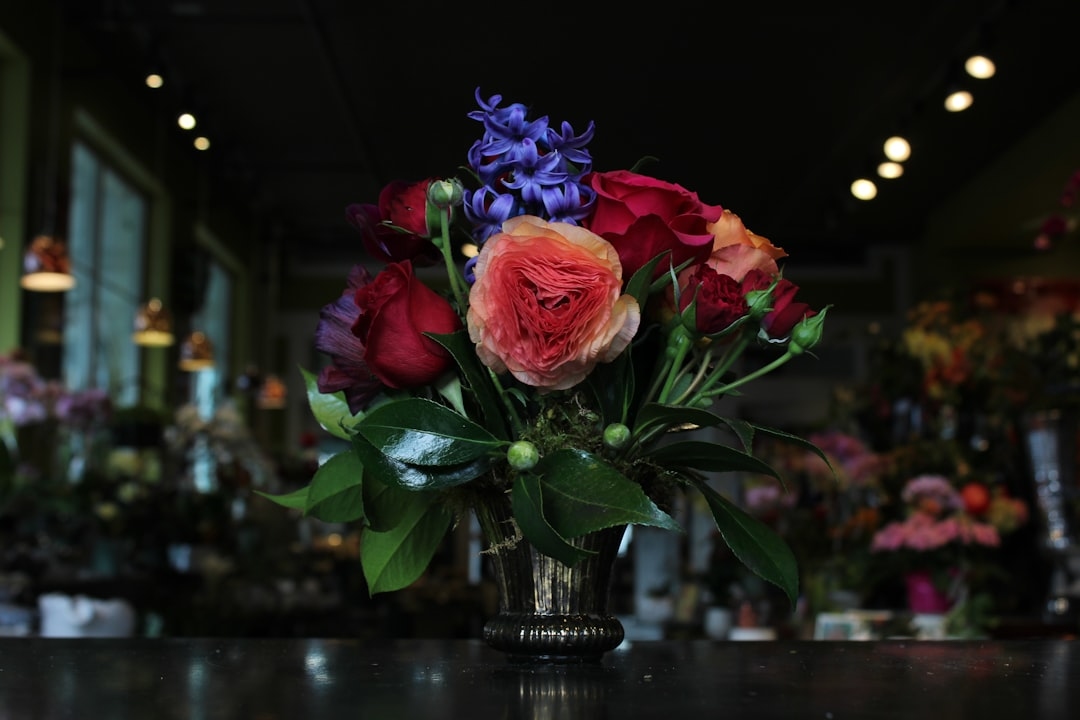
Remove any blooms that look past their prime or are crowding others. If the arrangement looks too stiff, gently bend a few stems slightly outward. A slightly imperfect, organic silhouette reads as intentional and artful rather than amateur.
For table settings specifically, make sure the centerpiece doesn’t exceed 12–14 inches in height if guests need to see each other across the table. Low and lush is almost always more functional than tall and dramatic for seated dinners.
Budget Breakdown: What a DIY Centerpiece Actually Costs
One of the biggest advantages of the grocery store route is transparency. Here’s a realistic cost breakdown for a single medium-sized centerpiece (serves a table of 6–8):
- 1 bunch focal flowers (roses or alstroemeria): $8–$12
- 1 bunch filler (baby’s breath or waxflower): $5–$7
- 1–2 greenery stems (eucalyptus): $5–$8
- 1–2 “wow” single stems: $4–$8
- Vase (if needed): $2–$10
Total per centerpiece: approximately $24–$45. For comparison, a professionally designed event centerpiece of similar size typically starts at $75–$150. For a dinner party with three tables, you’re looking at $72–$135 DIY versus $225–$450 from a florist — a savings of 40–60%.
Pro Tips for a More Polished Result
Small adjustments separate a “nice” arrangement from one that gets photographed. Claire Ashworth’s top advice: “Don’t be afraid of negative space. Beginners tend to overfill. A few intentional gaps make the whole thing feel more like something a designer made and less like something stuffed into a vase.”
- Color rule of three: Stick to no more than three colors for a cohesive look. Two works even better for an elegant feel.
- Texture is your friend: Even a monochromatic arrangement looks sophisticated when you mix smooth petals (roses), spiky textures (waxflower), and soft volume (eucalyptus).
- Refresh the water daily: Re-cut stems every two days and change the water to extend vase life by 3–5 extra days.
- Keep away from fruit bowls: Ethylene gas from ripening fruit accelerates petal drop. A centerpiece sitting next to the fruit bowl will fade noticeably faster.
- Shop early in the week: Tuesday and Wednesday mornings are typically the best time to find the freshest, most intact bunches before weekend shoppers pick through them.
Centerpiece Ideas by Event Type
The same basic framework adapts to almost any occasion with a shift in color palette and vessel choice.
- Dinner party: Roses + eucalyptus + a single garden spray rose in a low glass bowl. Stick to cream, blush, and soft green.
- Baby shower: Pastel alstroemeria + white baby’s breath + soft pink roses in a mason jar cluster. Three small jars down the center of a table looks intentional and charming.
- Birthday celebration: Bright gerbera daisies + sunflowers + leatherleaf fern in a terracotta pot for a festive, energetic feel.
- Holiday table: Deep red roses + white alstroemeria + cedar or pine sprigs for a classic seasonal arrangement. These hold up particularly well in cooler room temperatures.
- Casual brunch: A single flower type — all sunflowers or all tulips — in a simple clear vase. Monobotanical arrangements are effortlessly chic and take five minutes to assemble.
Frequently Asked Questions
How long will a grocery store flower centerpiece last?
Most grocery store flowers last 5–10 days in a vase when properly conditioned. Alstroemeria and chrysanthemums are the longest-lasting options at 10–14 days. Roses average 7–10 days with daily water changes and re-cutting stems every two days.
How many flowers do I need for one centerpiece?
For a medium table centerpiece (6–8 inch diameter), plan for 10–15 stems total: 5–7 focal flowers, 3–4 filler stems, and 3–4 greenery sprigs. For a low, lush arrangement in a wide bowl, you may need up to 20 stems.
What’s the easiest grocery store flower arrangement for beginners?
A monobotanical arrangement — all one flower type — is the most forgiving. Buy two bunches of tulips or alstroemeria, cut them to the same height, and place them in a simple glass cylinder. No design skill required, and it always looks polished.
Can I make centerpieces the night before an event?
Yes. Arrange flowers the evening before and store them in a cool room, away from direct sunlight and heating vents. Avoid the refrigerator if possible — household fridges are often too cold and may contain ethylene-producing fruit. Refresh the water the morning of the event and re-cut stems if needed.
Which grocery stores have the best flowers?
Trader Joe’s is widely regarded as having the best value, with fresh shipments and low per-bunch prices. Whole Foods and Sprouts carry a broader selection including specialty stems. Costco sells flowers in bulk at very low per-stem prices, making it ideal for multiple centerpieces. Local and regional grocery chains vary; check for a dedicated floral department rather than a pre-wrapped bucket display.
The next time you’re planning a table that needs to look put-together, skip the expensive florist quote and head to the produce aisle first. Buy fresh, condition properly, build in layers, and trust the process. Your centerpiece budget doesn’t have to dictate how beautiful your table looks — and now you have exactly what you need to prove it.