Contents:
- The Transplant Shock Nobody Warns You About
- Soil Problems: The Hidden Culprit Behind Planted Flowers Not Growing
- What to Use Instead
- Light and Water: Getting the Balance Right
- Matching Plants to Your Actual Light Conditions
- A Seasonal Timeline: When to Expect Real Growth
- Nutrients: Feeding Without Overdoing It
- Practical Fixes You Can Do This Weekend
- Frequently Asked Questions
- How long does it take for newly planted flowers to start growing?
- Why are my flowers growing leaves but no blooms?
- Can overwatering stop flowers from growing?
- Why do my potted flowers look healthy but won’t grow?
- Does the season affect why my planted flowers aren’t growing?
- Give Your Flowers a Real Chance
You did everything right — or so you thought. You picked up a few annuals from the nursery, dug some holes, watered them in, and waited. And waited. So why are your planted flowers not growing? The answer usually isn’t one big mistake. It’s a quiet combination of small ones, stacked on top of each other.
The good news: most of the reasons flowers stall after planting are completely fixable. And if you’re working with a balcony container, a raised bed, or a tiny front yard patch, the solutions are even more within reach than you think.
The Transplant Shock Nobody Warns You About
Here’s the thing garden centers don’t put on the tag: most flowers go through a period of adjustment after being moved. Called transplant shock, this stress response can pause visible growth for anywhere from one to three weeks. The plant isn’t dying — it’s quietly rebuilding its root system underground before it can push out new leaves and blooms above ground.
Signs of transplant shock include wilting in the afternoon (even with adequate water), yellowing lower leaves, and no new growth despite otherwise healthy-looking stems. The fix? Patience, consistent moisture, and laying off the fertilizer for the first two weeks. Feeding a stressed plant is like handing someone a five-course meal when they have food poisoning.
Soil Problems: The Hidden Culprit Behind Planted Flowers Not Growing
Soil is where most small-space gardeners cut corners — and where flowers pay the price. Standard garden soil compacts easily in containers, blocking oxygen from reaching roots. Most flowering plants need a pH between 6.0 and 7.0 to absorb nutrients properly. Outside that range, even a well-fertilized plant will look stunted and sad.
What to Use Instead
For containers and raised beds, a high-quality potting mix formulated for flowering plants makes a measurable difference. Brands like FoxFarm Happy Frog or Miracle-Gro Performance Organics run about $15–$22 for a 2-cubic-foot bag — enough to fill a standard 14-inch container twice over. Adding a quarter cup of perlite per gallon of mix improves drainage and prevents the compaction that suffocates roots.
A basic soil pH test kit costs around $8–$12 at any garden center or online. It’s one of the highest-ROI tools a small-space gardener can own.
Light and Water: Getting the Balance Right
Too much of either will stall a flower faster than neglect. Overwatering is the number-one killer of potted flowers — roots sitting in soggy soil suffocate within 48 hours. Before watering, push your finger two inches into the soil. If it feels damp, wait another day.
Light is equally non-negotiable. “Full sun” on a plant tag means a minimum of 6 hours of direct sunlight daily. A balcony that gets filtered afternoon light for 3–4 hours is a partial-shade environment — perfect for impatiens or begonias, but a guaranteed disappointment for marigolds or petunias.
Matching Plants to Your Actual Light Conditions
- Full sun (6+ hours): Marigolds, zinnias, petunias, lantana
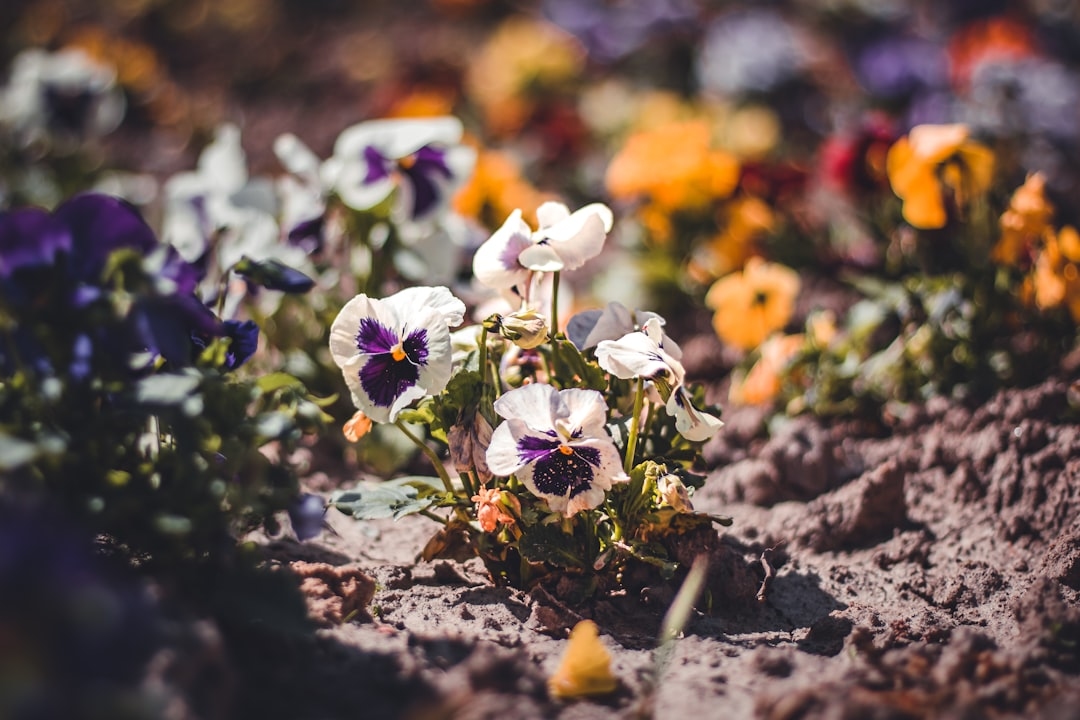
- Part sun (3–6 hours): Pansies, snapdragons, calibrachoa
- Shade (under 3 hours): Impatiens, begonias, fuchsia
A Seasonal Timeline: When to Expect Real Growth
Timing your expectations to the calendar prevents a lot of unnecessary worry. Here’s a general guide for US growers in USDA Hardiness Zones 5–8:
- March–April: Start cool-season annuals (pansies, snapdragons). Expect slow growth — soil temps below 50°F slow root development significantly.
- May (after last frost): Plant warm-season flowers. Growth accelerates once soil hits 60°F+.
- June–July: Peak growth window. Established plants should be blooming vigorously by week 3–4 post-planting.
- August–September: Heat stress slows growth again. Deep watering every 2–3 days and afternoon shade cloth (about $10–$18 for a 6×6 ft panel) can extend the season.
- October: Transition to fall bloomers like chrysanthemums and ornamental kale.
Nutrients: Feeding Without Overdoing It
A nitrogen-heavy fertilizer produces lush green leaves and almost no flowers. For blooming plants, look for a fertilizer where the middle number (phosphorus) is highest — something like a 5-10-5 or 10-30-10 ratio. Espoma Flower-Tone ($10–$14 for 4 lbs) is a popular slow-release option that feeds for up to 8 weeks without burning roots.
Start feeding two to three weeks after planting, not immediately. And during heat waves above 90°F, skip the fertilizer entirely — stressed plants can’t process nutrients and the salts in fertilizer will make things worse.
Practical Fixes You Can Do This Weekend
- Check the roots. Gently tip a container-grown plant out of its pot. If roots are circling the bottom in a dense mass, loosen them before replanting — bound roots won’t expand into new soil.
- Test your soil pH. Adjust with garden lime (raises pH) or sulfur (lowers pH) based on results.
- Repot into fresh mix. If your container soil is more than one season old, refresh it. Old potting mix loses its structure and nutrient load quickly.
- Deadhead spent blooms. Removing dead flowers redirects the plant’s energy from seed production back to new growth — a 5-minute task that makes a visible difference within a week.
- Look for pests. Check leaf undersides for aphids, spider mites, or whiteflies. A spray bottle with diluted neem oil ($8–$12) handles most small infestations without harsh chemicals.
Frequently Asked Questions
How long does it take for newly planted flowers to start growing?
Most flowering plants take 1–3 weeks to recover from transplanting before showing visible new growth. Warm-season annuals planted in warm soil (60°F+) tend to establish faster than cool-season plants put in during cold spring conditions.
Why are my flowers growing leaves but no blooms?
Excess nitrogen is the most common cause — it fuels leafy growth at the expense of flowers. Switch to a high-phosphorus fertilizer (look for a high middle number, like 10-30-10) and ensure the plant is getting adequate direct sunlight.
Can overwatering stop flowers from growing?
Yes. Overwatered roots can’t absorb oxygen, which shuts down nutrient uptake and halts growth entirely. Always check soil moisture 2 inches deep before watering and ensure containers have drainage holes.
Why do my potted flowers look healthy but won’t grow?
Root-bound plants — those with roots tightly circling the bottom of their container — often look fine above the soil but can’t expand or grow. Repot into a container 2 inches larger in diameter and loosen the root ball before replanting.
Does the season affect why my planted flowers aren’t growing?
Absolutely. Soil temperature, not air temperature, controls root growth. Most warm-season flowers won’t establish properly until soil temps consistently hit 60°F. Planting too early in spring is one of the most common reasons flowers stall for weeks.
Give Your Flowers a Real Chance
Flowers that seem stuck are almost always telling you something specific — about their roots, their soil, their light, or their timing. The difference between a struggling container garden and a thriving one usually comes down to $20 in better soil and a closer look at what’s actually going on underground. Start there. Test your pH, check your roots, match your plant to your light, and give it three weeks before you worry. Most planted flowers not growing are just plants waiting for the right conditions to catch up — and now you know exactly how to create them.