Contents:
- What’s Actually Happening When Flower Buds Fall Off
- The Most Common Reasons for Flower Buds Falling Off
- Inconsistent Watering
- Temperature Fluctuations and Cold Drafts
- Low Humidity
- Insufficient or Excessive Light
- Root Stress and Pot Bound Conditions
- A Real-World Example: The Orchid That Kept Dropping
- Seasonal Timeline: When Bud Drop Is Most Likely
- Common Mistakes to Avoid
- Practical Steps to Stop Bud Drop Right Now
- FAQ: Flower Buds Falling Off
- Why do gardenia buds fall off before opening?
- Can overwatering cause flower buds to fall off?
- Why are my orchid buds falling off before they open?
- Do flower buds falling off mean my plant is dying?
- How long does it take for a plant to recover from bud drop?
- Make the Next Bloom Count
Flower buds falling off your plant before they ever get the chance to bloom is one of the most frustrating things a gardener can experience — and it almost always has a fixable cause. The maddening part? Your plant looked so promising. Healthy foliage, sturdy stems, buds forming right on schedule. Then, one morning, they’re on the soil instead of on the branch.
This isn’t random bad luck. Plants drop buds for specific, identifiable reasons. Once you understand the trigger, you can usually stop it within days.
What’s Actually Happening When Flower Buds Fall Off
Bud drop is a stress response. When a plant decides its environment is too hostile to support the energy cost of flowering, it cuts its losses — literally. The botanical term is “abscission,” the same process behind autumn leaf drop. The plant forms a special layer of cells at the base of the bud and severs the connection.
Think of it as the plant making a survival calculation. Blooming takes enormous resources. If soil moisture, temperature, light, or humidity fall outside an acceptable range, the plant prioritizes staying alive over putting on a show.
The Most Common Reasons for Flower Buds Falling Off
Inconsistent Watering
This is the number one culprit, especially for container plants and indoor varieties like gardenias and camellias. Soil that swings between bone dry and waterlogged within the same week sends the plant into panic mode. Gardenias, notorious bud-droppers, need soil that stays consistently moist — not wet, not dry — with humidity levels above 50%. A simple $12 hygrometer from any hardware store can tell you what your plant is actually experiencing.
For outdoor plants, irregular rainfall combined with sporadic hand-watering creates the same problem. Aim for deep, consistent irrigation — about 1 inch of water per week for most flowering shrubs — rather than shallow, frequent splashes.
Temperature Fluctuations and Cold Drafts
A sudden 10°F temperature drop can trigger mass bud drop overnight. This is especially common in spring, when nights can still dip below 50°F in USDA Hardiness Zones 5–7 even after warm afternoons have encouraged early bud development.
Indoors, the culprits are sneakier: air conditioning vents, drafty windows, and opening exterior doors repeatedly in winter. A peace lily sitting 3 feet from a central air vent may look fine in summer, but the moment heating season starts, that hot, dry air blast becomes a bud-drop trigger.
Low Humidity
Most flowering houseplants originated in tropical or subtropical environments. When indoor humidity drops below 40% — common in heated American homes during winter — bud development stalls and drop accelerates. A cool-mist humidifier placed 2–3 feet from the plant, running for 4–6 hours daily, can raise localized humidity enough to make a measurable difference.
Insufficient or Excessive Light
Buds need energy to develop. A plant moved from a bright south-facing window to a dim corner in late fall may be forming buds based on stored energy, then dropping them when it realizes it can’t sustain development. Conversely, flowering plants like Christmas cactus that rely on short day length to bloom will drop buds if exposed to artificial light during their dark period — even a streetlight through a window can interfere.
Root Stress and Pot Bound Conditions
When roots circle the bottom of a pot with nowhere to go, water and nutrient uptake become inefficient. A plant spending energy managing root stress simply won’t prioritize flowering. If you haven’t repotted in three or more years and bud drop is recurring, check the drainage holes — visible roots emerging from the bottom is a clear sign it’s time to size up by one pot diameter.
A Real-World Example: The Orchid That Kept Dropping
A reader named Marcia from Charlotte, NC, wrote in about her phalaenopsis orchid — her third attempt at the species. Every time the flower spike developed buds, they’d yellow and fall before opening. She’d tried different fertilizers, different soil mixes, even moved it to a sunroom. Nothing worked.
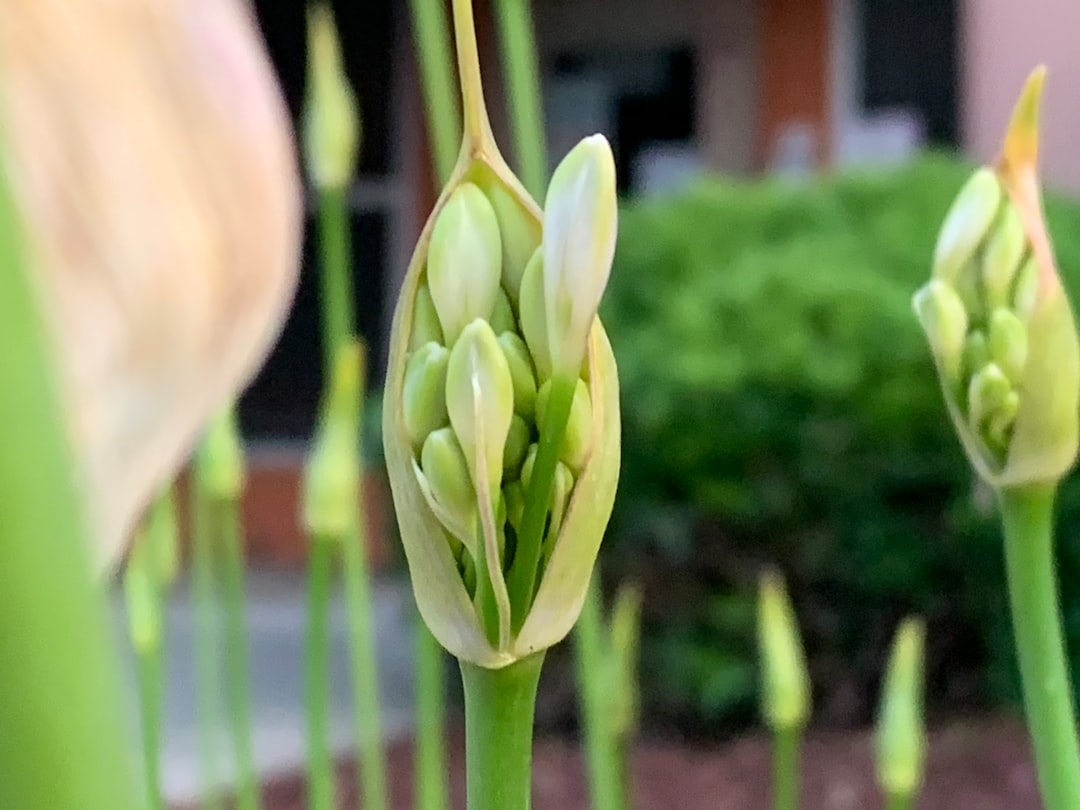
The fix turned out to be location. Her sunroom had beautiful light but sat adjacent to a sliding glass door. Every time it opened in winter, a blast of cold outside air hit the plant directly. Once she moved it 6 feet further into the room, away from the door’s draft zone, her next spike opened fully — all nine buds.
The lesson: sometimes the problem isn’t what you’re doing, it’s what’s happening to the plant without you noticing.
Seasonal Timeline: When Bud Drop Is Most Likely
- January–February: Indoor plants suffer from low humidity and heating system dry air. Prime time for gardenia, jasmine, and orchid bud drop.
- March–April: Outdoor plants in Zones 5–7 face late frost risk. Buds that formed during a warm spell can drop after an unexpected freeze.
- June–July: Heat stress above 95°F causes bud drop in cool-season bloomers like fuchsia and pansy.
- September–October: Transitioning plants from outdoors to indoors triggers shock. The change in light, temperature, and humidity hits all at once.
- November–December: Holiday plants (Christmas cactus, poinsettia) are especially vulnerable if moved frequently or exposed to inconsistent temperatures at retail stores before purchase.
Common Mistakes to Avoid
- Misting the buds directly: Misting the air around the plant raises humidity, but spraying water directly onto flower buds invites fungal issues and can accelerate drop. Mist foliage only, or use a tray of pebbles and water beneath the pot instead.
- Overfertilizing with nitrogen: High-nitrogen fertilizers push leafy green growth at the expense of flowers. Switch to a bloom-boosting formula (look for a higher middle number, like 10-30-20) once buds start forming.
- Repotting a budding plant: Root disturbance during active bud development almost guarantees drop. Wait until after the bloom cycle ends before repotting.
- Moving a budding plant to a new spot: Plants in active bud development are particularly sensitive to environmental change. Pick your location before buds form and commit to it.
- Assuming pests aren’t involved: Spider mites and thrips feed on developing buds and can cause drop that looks exactly like environmental stress. Check the undersides of leaves with a magnifying glass before ruling this out.
Practical Steps to Stop Bud Drop Right Now
- Check soil moisture with your finger 2 inches deep — adjust watering so it never fully dries or stays soggy.
- Measure humidity with a hygrometer and raise it above 50% if needed using a humidifier or pebble tray.
- Identify any nearby drafts — vents, doors, windows — and move the plant at least 4 feet away.
- Ensure the plant is getting appropriate light for its species without interruption during dark cycles.
- Inspect for pests. If you find evidence, treat with neem oil or insecticidal soap before the next bud cycle.
- Hold off on fertilizing until after bloom, unless you’re switching to a low-nitrogen bloom formula.
FAQ: Flower Buds Falling Off
Why do gardenia buds fall off before opening?
Gardenias are extremely sensitive to low humidity, temperature fluctuations, and inconsistent watering. They need humidity above 50%, temperatures between 65–70°F at night, and evenly moist (not wet) soil. Moving them, drafts, or dry indoor air are the most common triggers for bud drop.
Can overwatering cause flower buds to fall off?
Yes. Waterlogged soil suffocates roots, reducing their ability to absorb nutrients. This stress signals the plant to abort bud development. Allow the top inch of soil to dry slightly between waterings for most flowering plants, and always ensure pots have drainage holes.
Why are my orchid buds falling off before they open?
Orchid bud blast — the term for orchid bud drop — is most often caused by cold drafts, low humidity, or ethylene gas exposure (from ripening fruit stored nearby). Keep orchids away from fruit bowls, exterior doors, and heating vents, and maintain humidity between 50–70%.
Do flower buds falling off mean my plant is dying?
Not usually. Bud drop is a stress response, not a death sentence. Most plants recover fully once the environmental trigger is corrected. Focus on identifying and fixing the specific cause rather than assuming the plant is beyond help.
How long does it take for a plant to recover from bud drop?
Recovery time depends on the species and the duration of stress. Many plants will begin setting new buds within 4–8 weeks once conditions stabilize. Orchids may take 6–12 months before their next bloom cycle, since they bloom once per spike.
Make the Next Bloom Count
Bud drop feels discouraging, but it’s your plant communicating clearly. The message is almost always: something in my environment shifted, and I couldn’t sustain this bloom. The fix is rarely complicated — it’s usually one environmental variable that’s gone out of range. Audit your conditions systematically, address the most likely culprit first, and give the plant a full season to respond. Your next bloom cycle, you’ll already know what to watch for.