Contents:
- Understanding What Gardenias Actually Need
- Top Reasons for Gardenias Yellow Leaves
- Soil pH Is Too High
- Overwatering or Poor Drainage
- Underwatering and Low Humidity
- Nutrient Deficiencies
- Temperature Stress and Cold Drafts
- Pests: Scale, Whiteflies, and Spider Mites
- Eco-Friendly Fixes for a Healthier Gardenia
- Quick Cost Breakdown for Treating Yellow Gardenias
- Practical Steps to Take Right Now
- FAQ: Gardenias Yellow Leaves
- Why are my gardenia leaves turning yellow and falling off?
- Can yellow gardenia leaves turn green again?
- How often should I fertilize gardenias to prevent yellow leaves?
- What is the ideal soil pH for gardenias?
- Are yellow leaves on gardenias a sign of overwatering or underwatering?
- Getting Your Gardenia Back on Track
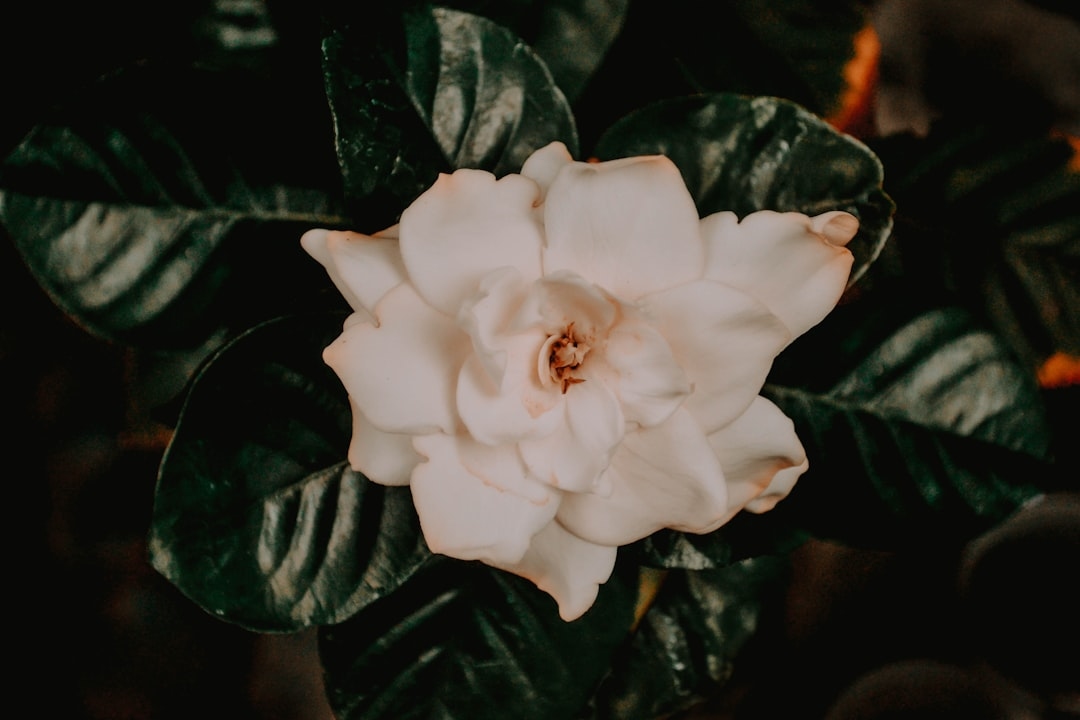
Gardenias yellow leaves are one of the most frustrating sights for any gardener who has lovingly tended these beautiful, fragrant shrubs. You planted them for those creamy white blooms and intoxicating scent — not for a plant that looks like it’s giving up. The good news? Yellow leaves almost always have a fixable cause, and once you know what to look for, you can nurse your gardenia back to its glossy, dark-green glory.
Understanding What Gardenias Actually Need
Gardenias (Gardenia jasminoides) are native to tropical and subtropical Asia, which tells you a lot about their preferences. They want warmth, humidity, consistent moisture, and acidic soil — conditions that don’t always match the average American backyard. They thrive in USDA Hardiness Zones 8–11 but are frequently grown as container plants in cooler climates.
When any one of their core needs goes unmet, gardenias protest visually. Yellow leaves are their main form of communication. The trick is learning to read which kind of yellow you’re dealing with, because the pattern and timing of the discoloration can point directly to the problem.
Top Reasons for Gardenias Yellow Leaves
1. Soil pH Is Too High
This is the single most common cause of yellowing in gardenias, and it’s often overlooked. Gardenias need a soil pH between 5.0 and 6.0. When the pH climbs above 6.5 — which is common in many American soils — iron and magnesium become chemically unavailable to the plant, even if they’re physically present. The result is chlorosis: yellowing between the leaf veins while the veins themselves stay green.
Pick up a basic soil pH test kit (available at any garden center for around $10–$15) and test your soil before doing anything else. If your pH is too high, amend with soil sulfur at a rate of about 1 pound per 100 square feet for sandy soil, or up to 2 pounds for clay-heavy soil. Retest after 4–6 weeks.
2. Overwatering or Poor Drainage
Gardenias like consistently moist soil, but saturated roots are deadly. Overwatering causes root rot, which prevents the plant from absorbing water and nutrients — ironically causing symptoms that look like drought stress, including yellow leaves that eventually drop. If the soil feels soggy and the yellowing starts at the lower leaves and works upward, overwatering is likely the culprit.
Check that your container has drainage holes, or that your in-ground planting site doesn’t collect standing water. A simple fix: let the top inch of soil dry out before watering again, and water deeply rather than frequently.
3. Underwatering and Low Humidity
On the flip side, gardenias suffering from drought stress also yellow — usually starting at the leaf tips and edges. These plants prefer humidity levels above 50%. In dry climates or heated indoor environments during winter, that’s hard to achieve. Group plants together to create a microclimate, set containers on a pebble tray filled with water, or run a humidifier nearby.
4. Nutrient Deficiencies
Iron deficiency (caused by high pH) is most common, but magnesium and nitrogen deficiencies also cause yellowing. Nitrogen deficiency tends to show up as uniform yellowing of older, lower leaves, while iron and magnesium deficiencies cause interveinal chlorosis on younger leaves.
A fertilizer formulated specifically for acid-loving plants — such as one designed for azaleas and camellias — works well for gardenias. Apply in spring and again in midsummer, following label rates. Avoid fertilizing after August, as late feeding can stimulate tender growth that gets damaged by cold.
5. Temperature Stress and Cold Drafts
A sudden temperature drop below 60°F can trigger yellow leaves almost overnight. Gardenias hate cold drafts, air conditioning vents, and frost exposure equally. If you’re growing gardenias indoors, keep them away from exterior doors and vents, and maintain temperatures between 65°F and 70°F for best results.
6. Pests: Scale, Whiteflies, and Spider Mites
Tiny insects feeding on gardenia leaves drain the plant’s energy and cause stippled or generalized yellowing. Check the undersides of leaves closely — spider mites leave fine webbing, whiteflies scatter when disturbed, and scale insects look like small brown bumps on stems. Treat with insecticidal soap or neem oil, which is a more eco-friendly option that biodegrades quickly and won’t harm beneficial insects like bees when applied in the early morning or evening.
Eco-Friendly Fixes for a Healthier Gardenia
Before reaching for synthetic fertilizers or chemical pesticides, consider some sustainable alternatives. Composted pine bark and peat moss both acidify soil naturally and improve drainage — a double benefit for gardenias. Coffee grounds, applied sparingly as a top dressing (no more than half an inch), can gently lower pH over time and add organic nitrogen. Worm castings are another gentle, slow-release nutrient source that won’t burn roots.
Neem oil (around $12–$20 per quart) is a plant-derived pesticide that handles most common gardenia pests effectively. It’s biodegradable, non-toxic to birds and mammals, and works against fungi like sooty mold — a common secondary issue when pests are present.
Quick Cost Breakdown for Treating Yellow Gardenias
- Soil pH test kit: $10–$15
- Soil sulfur (5 lb bag): $8–$12
- Acid-loving plant fertilizer: $12–$20
- Neem oil (quart): $12–$20
- Pebble humidity tray: $8–$15
For most gardeners, fixing yellow leaves costs under $40 total — especially if you already have some of these supplies on hand. Catching the problem early before significant leaf drop occurs means less recovery time and no need to replace the plant.
Practical Steps to Take Right Now
- Test your soil pH. This takes 10 minutes and rules out the most common cause immediately.
- Check your watering habits. Stick your finger 1–2 inches into the soil — water only if it feels dry at that depth.
- Inspect leaves top and bottom for signs of pests.
- Evaluate placement: is the plant near a vent, drafty window, or direct afternoon sun in summer?
- Feed with an acid-formulated fertilizer if it’s spring or early summer and you haven’t fertilized recently.
FAQ: Gardenias Yellow Leaves
Why are my gardenia leaves turning yellow and falling off?
The most likely causes are overwatering, high soil pH, or a nutrient deficiency. Start by testing your soil pH and checking moisture levels. If the soil is soggy and roots smell musty, root rot from overwatering may be the issue.
Can yellow gardenia leaves turn green again?
Leaves that have fully yellowed typically won’t revert to green, but once you correct the underlying problem, new growth will emerge healthy and dark green. Focus on fixing the cause rather than saving individual yellow leaves.
How often should I fertilize gardenias to prevent yellow leaves?
Fertilize gardenias two to three times per year: once in early spring, once in late spring, and once in midsummer. Use a fertilizer formulated for acid-loving plants and always water before applying to avoid root burn.
What is the ideal soil pH for gardenias?
Gardenias perform best in soil with a pH between 5.0 and 6.0. Outside this range — particularly above 6.5 — the plant cannot absorb iron and other micronutrients, leading to interveinal chlorosis (yellowing between leaf veins).
Are yellow leaves on gardenias a sign of overwatering or underwatering?
Both can cause yellowing, but the patterns differ. Overwatering typically causes lower leaves to yellow first, with soggy soil. Underwatering causes leaf tip and edge yellowing, with dry, pulling-away-from-the-pot soil. Check the soil moisture to distinguish between the two.
Getting Your Gardenia Back on Track
Gardenias reward patience and attention to detail. Once you identify the cause of the yellowing — whether it’s pH, water, pests, or temperature — the fix is usually straightforward and affordable. Keep a simple garden journal to track when you water, fertilize, and treat for pests. That habit alone makes it much easier to catch problems early next season before a few yellow leaves become a much bigger headache. Your gardenia hasn’t given up — it’s just asking for help.