Contents:
- Why You Can’t Just Toss Flower Pots in the Recycling Bin
- Best Places to Recycle Flower Pots
- Local Nurseries and Garden Centers
- The Grower Exchange and Manufacturer Take-Back Programs
- Municipal Hazardous Waste and Special Collection Events
- TerraCycle and Specialty Plastic Recyclers
- Cost Breakdown: What It Costs to Recycle Your Pots
- Donating vs. Recycling: When to Choose Each
- Common Mistakes to Avoid
- What Happens to Recycled Flower Pots?
- Frequently Asked Questions
- Can I put plastic flower pots in my curbside recycling bin?
- Do Home Depot and Lowe’s recycle flower pots?
- How should I prepare flower pots for recycling?
- Are terracotta and ceramic pots recyclable?
- What is the easiest free way to recycle flower pots near me?
- Your Next Steps Start This Weekend
Most gardeners don’t realize they’re sitting on a recycling problem. The average American household accumulates 15–30 plastic nursery pots per year — and the vast majority end up in landfills, not recycling bins. The good news? There are more options to recycle flower pots than ever before, and several of them cost you nothing.
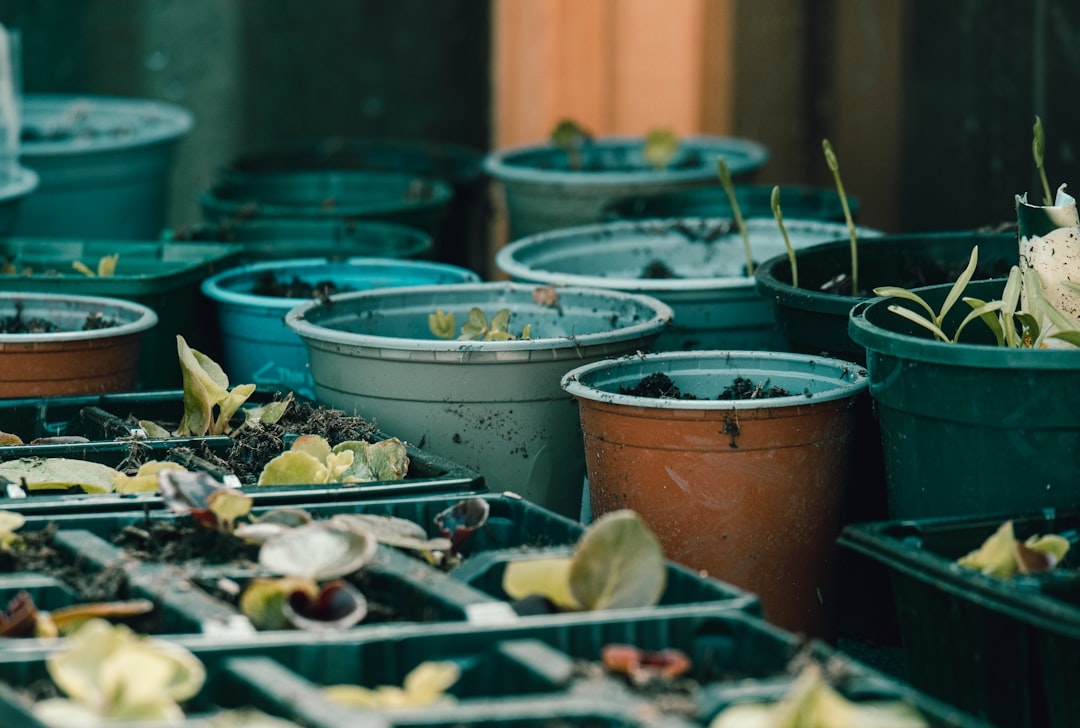
Plastic nursery pots are typically made from polypropylene (#5 plastic) or high-density polyethylene (#2 plastic). The trouble is that curbside recycling programs in most US cities reject them — not because they can’t be recycled, but because they’re often contaminated with soil and roots, and the economics of processing them at standard facilities don’t work out. That’s why finding the right recycling channel matters.
Why You Can’t Just Toss Flower Pots in the Recycling Bin
Standard curbside bins are designed for clean, dry recyclables. A pot with residual dirt or plant matter can contaminate an entire batch of otherwise recyclable material. Beyond contamination, many municipal facilities lack the sorting equipment to handle black plastic — a common color for nursery trays — because it absorbs infrared light and is invisible to optical sorters.
The result: well-meaning gardeners “wish-cycle” their pots, believing they’re doing the right thing. In reality, contaminated or unaccepted materials often divert entire batches to landfill. Knowing the right outlet for your pots isn’t just about being tidy — it has a measurable environmental impact.
Best Places to Recycle Flower Pots
Local Nurseries and Garden Centers
This is the easiest and most widely available option for most gardeners. Major chains like Home Depot, Lowe’s, and Walmart (through their garden centers) participate in or sponsor pot take-back programs in many states. Locally owned nurseries often run their own informal collection bins near the entrance or checkout.
Call ahead before you load up the car. Policies vary significantly by location — some accept only the nursery’s own branded pots, while others take any clean container up to a certain size (typically 1-gallon and under). Remove excess soil before dropping them off; most programs require pots to be reasonably clean.
The Grower Exchange and Manufacturer Take-Back Programs
Several large growers and pot manufacturers have established their own take-back loops. Proven Winners, one of the largest plant brands in the US, partners with retailers to collect their signature white containers. Nursery supply companies like Hummert International and McConkey distribute pots and, in some regions, arrange returns through their dealer networks.
These programs are particularly useful if you’re a serious gardener or small-scale grower dealing with large volumes. Some programs offer credit toward future purchases in exchange for returned containers — a meaningful incentive if you spend $200+ annually on plants.
Municipal Hazardous Waste and Special Collection Events
Many counties hold annual or quarterly special recycling events that accept items curbside programs won’t touch, including rigid plastics like nursery pots. Search your county’s public works website for “special collection day” or “hard-to-recycle” events. In states like California, Oregon, and Washington, these events are more frequent due to stronger extended producer responsibility legislation.
Some municipalities also maintain permanent drop-off sites — often co-located with composting or yard waste facilities — that accept rigid plastics year-round. Earth 911 (earth911.com) maintains a searchable database by material type and zip code; entering “plastic flower pot” typically surfaces options within 15–30 miles for most suburban areas.
TerraCycle and Specialty Plastic Recyclers
TerraCycle runs zero-waste boxes specifically for garden plastics. Their Garden Supplies Zero Waste Box accepts pots, trays, and grow bags of any size. The cost ranges from $109 for a small box to $249 for a large one — appropriate for community gardens, garden clubs, or neighbors who want to pool their pots and share the cost.
For free options, check whether your state has a plastics reclaimers directory. The Association of Plastic Recyclers (plasticsrecyclers.org) lists certified recyclers by resin type; look for facilities that process #2 or #5 rigid plastics.
Cost Breakdown: What It Costs to Recycle Your Pots
- Nursery drop-off programs: Free in most cases; some require purchase to participate
- Municipal special collection events: Free (tax-funded)
- TerraCycle Garden Zero Waste Box (small): ~$109 for approximately 10–15 lbs of pots
- TerraCycle Garden Zero Waste Box (large): ~$249 for approximately 30–40 lbs of pots
- Private plastic recycler drop-off: Typically free; some pay by weight for clean HDPE (#2)
- Junk removal service (last resort): $50–$150 for a truckload, depending on region
For most homeowners with a standard seasonal accumulation, the nursery drop-off route costs nothing. If you’re clearing out a storage shed with years of accumulated pots, a community TerraCycle box shared among four to five neighbors brings the per-household cost under $30.
What the Pros Know: Wholesale growers and professional landscapers rarely pay for pot disposal. They build return logistics directly into their supplier contracts — pots go back on the same truck that delivers new plants. If you have a relationship with a local wholesale nursery or landscape supplier, ask whether they’ll take your used containers. Many will, especially if the pots are clean and stackable. It never hurts to ask.
Donating vs. Recycling: When to Choose Each
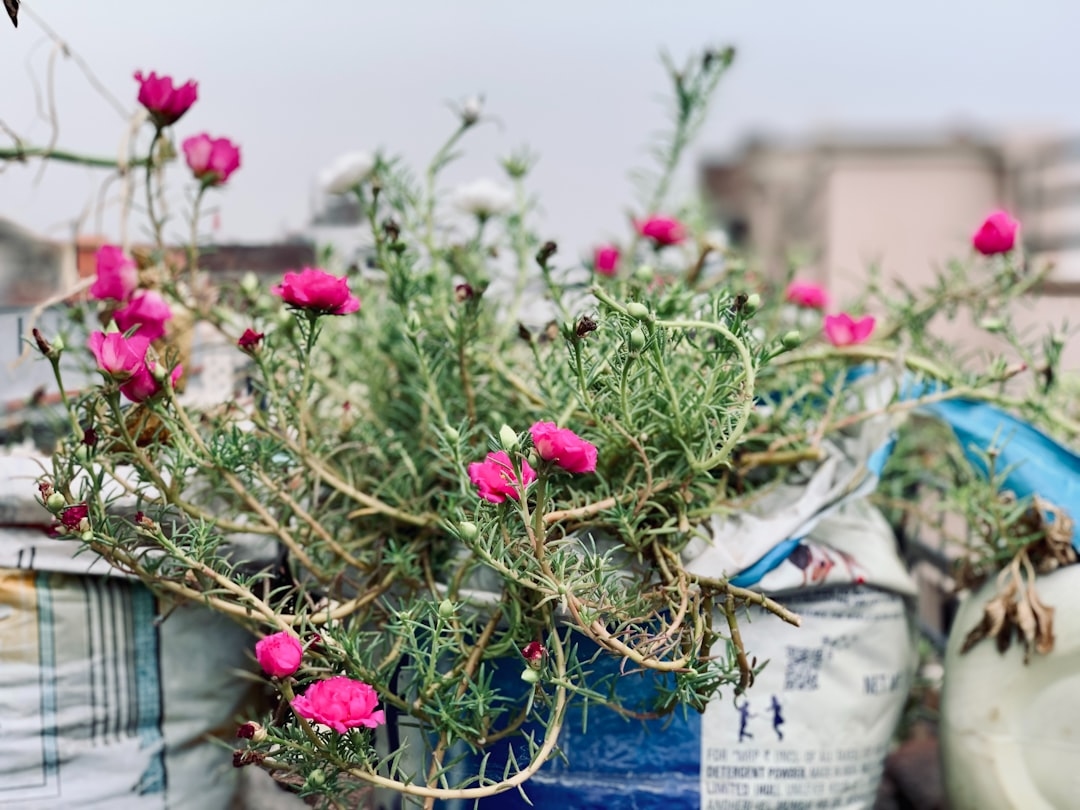
Not every used pot needs to go into a recycling stream. Clean, intact containers — particularly ceramic, terracotta, and large plastic pots in good condition — have strong demand in the reuse market. Freecycle.org, Facebook Marketplace (free section), and Nextdoor are reliable channels for offloading usable pots quickly, often within 24 hours of posting.
Community gardens, school garden programs, and urban farms are perennial recipients of pot donations. Many Master Gardener programs in your county extension office also coordinate donations. Donating extends the functional life of a pot before it ever needs to enter the recycling system — which is always the preferred outcome from a lifecycle standpoint.
Common Mistakes to Avoid
- Tossing black plastic pots in curbside bins. Black polypropylene is nearly invisible to sorting machinery and will likely end up in landfill regardless of your intentions.
- Not cleaning pots before drop-off. Soil-caked containers are rejected by most take-back programs. A quick rinse makes them acceptable — and takes about 30 seconds.
- Assuming all garden centers participate. Even stores within the same chain may have different policies based on whether they have a local recycling partner. Always confirm by phone.
- Ignoring the resin number. Check the triangle on the bottom of your pot. #2 (HDPE) and #5 (PP) are most widely accepted. #6 (PS) foam trays are rarely recyclable anywhere.
- Waiting until spring cleanup. Take-back programs often fill up or close temporarily in April and May — peak gardening season. Dropping off pots in fall or winter usually means faster service and no wait.
What Happens to Recycled Flower Pots?
Clean polypropylene nursery pots are typically ground into pellets and remanufactured into new plastic products — drainage pipes, automotive parts, and yes, new nursery containers. HDPE from larger pots often becomes plastic lumber, outdoor furniture, or recycling bins themselves. The recycling loop is real and functional when pots arrive clean and properly sorted.
One 5-gallon plastic pot weighs roughly 0.4–0.6 lbs. A hundred of them — not unusual for an active gardener over several years — represent about 50 lbs of recoverable plastic resin. At current commodity prices, that’s meaningful material that manufacturers actively want back.
Frequently Asked Questions
Can I put plastic flower pots in my curbside recycling bin?
In most US cities, no. Standard curbside programs reject nursery pots because they’re often contaminated with soil and because black plastic isn’t detectable by most sorting equipment. Check your municipality’s specific guidelines, but the safest route is a nursery take-back program or special collection event.
Do Home Depot and Lowe’s recycle flower pots?
Many Home Depot and Lowe’s garden centers participate in pot recycling programs, but participation varies by location. Call your local store’s garden department directly to confirm. Some locations only accept clean pots of specific sizes (typically 1-gallon or smaller).
How should I prepare flower pots for recycling?
Remove all soil, roots, and plant debris. A rinse with a garden hose is usually sufficient. Nesting or stacking pots before drop-off is appreciated by most programs and reduces transport volume significantly.
Are terracotta and ceramic pots recyclable?
Not through standard plastic recycling channels. Intact terracotta and ceramic pots are best donated or resold. Broken pieces can go into rubble fill or be used as pot drainage layers. Some masonry recyclers accept large quantities of ceramic material.
What is the easiest free way to recycle flower pots near me?
Use the Earth 911 database at earth911.com to search “plastic flower pot” with your zip code. Nursery drop-off programs are the most consistently available free option across the US, present in most suburban areas within a 10–15 mile radius.
Your Next Steps Start This Weekend
Gather your accumulated pots, check the resin numbers on the bottom, and do a quick search on Earth 911 or call your nearest garden center. The entire process — sorting, cleaning, and dropping off — takes under an hour for a typical seasonal haul. And if you’re clearing out a larger volume, post the clean, intact containers on Nextdoor first. You may not need to recycle them at all.
Building a habit around responsible pot disposal is one of those small actions that scales well. Each pot you keep out of landfill is a small win — and collectively, American gardeners generate enough recoverable plastic each year to make a real difference when it’s channeled correctly.