Contents:
- Why Summer Heat Hits Petunias So Hard
- The Most Common Reasons Petunias Die in Summer Heat
- Inconsistent or Shallow Watering
- Root Zone Overheating
- Nutrient Depletion Mid-Season
- Failure to Deadhead and Trim
- Petunias vs. Calibrachoa: Don’t Confuse Them
- Expert Tip: What a Horticulturist Recommends
- How to Revive Heat-Stressed Petunias
- Practical Tips for Keeping Petunias Thriving All Summer
- Frequently Asked Questions
- Why are my petunias wilting even after I water them?
- Should I cut back my petunias in summer?
- How often should I water petunias in hot weather?
- Why are my petunia leaves turning yellow in summer?
- What is the best petunia variety for hot climates?
- Your Petunias Aren’t Done Yet
You planted a gorgeous pot of petunias in May, and by July they look like they gave up entirely — wilting by noon, dropping blooms, turning yellow at the edges. Sound familiar? You’re not alone, and more importantly, you haven’t necessarily done anything wrong. Petunias dying in summer heat is one of the most common complaints at garden centers across the US, and it comes down to a handful of fixable problems.
Petunias are warm-season annuals that thrive in full sun — but there’s a difference between “warm” and “scorching.” They’re bred to love 60–85°F temperatures. Once the thermometer pushes past 90°F for days at a stretch, they start showing stress in very specific, diagnosable ways.
Why Summer Heat Hits Petunias So Hard
Petunias are native to South America, where warm temperatures come with humidity and seasonal rain. The dry, blistering heat of a US summer — especially in zones 7 through 10 — is a different beast. When temperatures exceed 90°F, petunias lose moisture through their leaves faster than their roots can absorb it, even in moist soil. This process, called transpiration stress, causes that dramatic afternoon wilt even when you watered that same morning.
Container-grown petunias face an extra challenge: potting mix in a dark-colored pot can reach soil temperatures of 100°F or higher on a hot afternoon. At that point, roots stop functioning efficiently, nutrient uptake slows, and the plant essentially goes into survival mode — dropping flowers and yellowing leaves to conserve energy.
The Most Common Reasons Petunias Die in Summer Heat
Inconsistent or Shallow Watering
This is the number one culprit. Many gardeners water petunias lightly every day, which encourages shallow root development. When a heat wave hits, those shallow roots can’t access the cooler, moister soil deeper down. Water deeply — aim for moisture reaching at least 6 inches into the soil — and then let the top inch dry out before watering again. In temperatures above 90°F, that often means watering every single day for containers, and every 1–2 days for in-ground beds.
Root Zone Overheating
Bare soil and dark plastic pots absorb and radiate heat directly onto the root system. A simple 2-inch layer of organic mulch — shredded bark, straw, or even wood chips — can reduce soil temperature by 10–15°F. For container petunias, try double-potting: place your plastic nursery pot inside a larger decorative pot to create an insulating air gap.
Nutrient Depletion Mid-Season
Petunias are heavy feeders. By July, the slow-release fertilizer you mixed in at planting is often exhausted, and frequent watering leaches nutrients from containers even faster. A water-soluble fertilizer with an NPK ratio around 20-20-20, applied every 10–14 days, keeps blooms coming even through hot spells. Signs of depletion include pale green or yellow leaves and a dramatic drop in flower production.
Failure to Deadhead and Trim
Spent blooms left on the plant redirect energy toward seed production rather than new flowers. During summer stress, this trade-off is especially costly. Pinch back leggy stems by one-third in late June or early July — yes, it feels drastic, but it triggers a flush of new growth and blooms within 2–3 weeks.
Petunias vs. Calibrachoa: Don’t Confuse Them
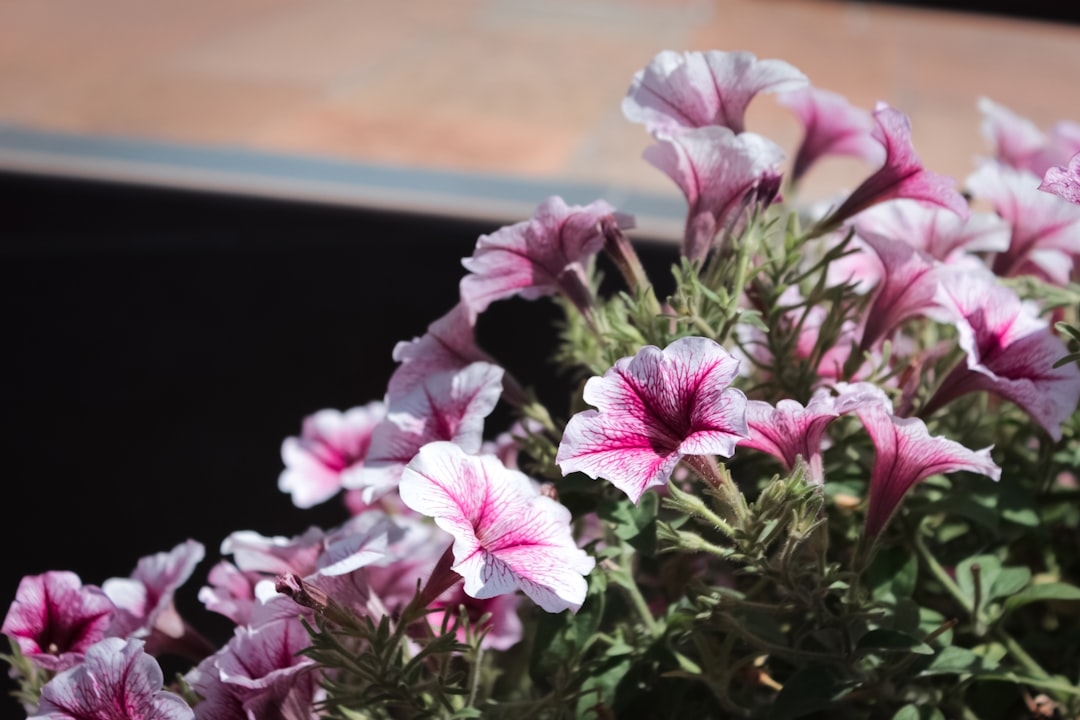
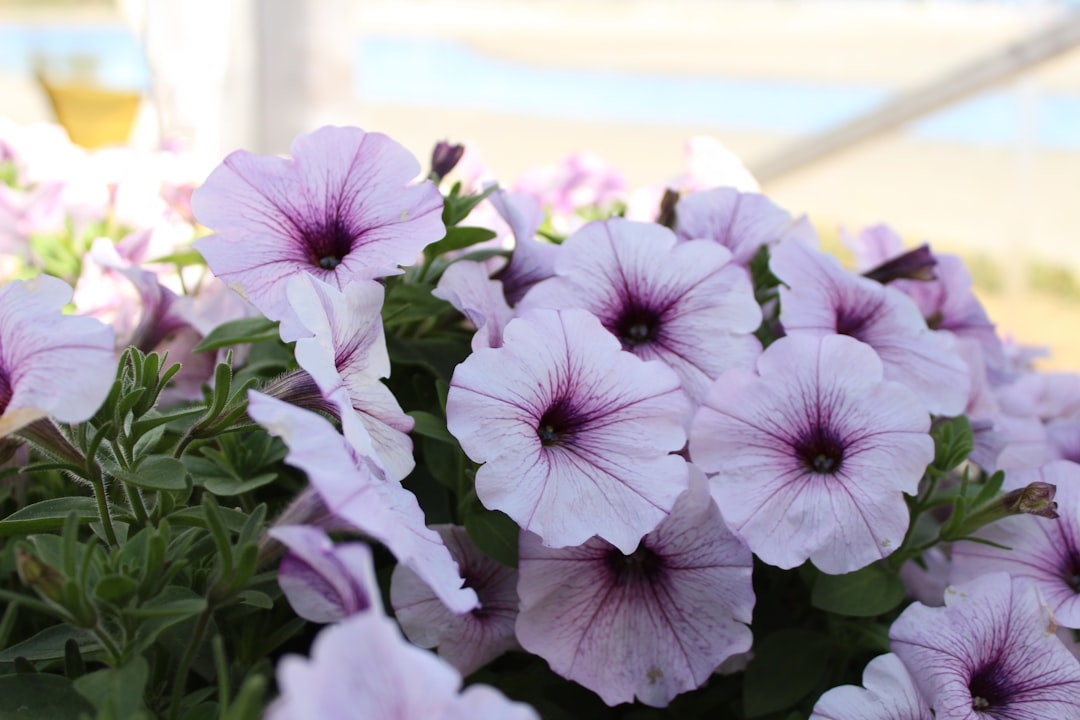
A lot of gardeners mix up petunias with calibrachoa (also called Million Bells). They look strikingly similar — both have trumpet-shaped flowers, trail beautifully from hanging baskets, and come in nearly identical colors. The key difference? Calibrachoa is significantly more heat-tolerant and requires less deadheading. If your summers regularly hit 95°F or above, calibrachoa might honestly be the better choice for your containers. Petunias, however, tend to have larger individual blooms and a stronger fragrance, which many gardeners prefer. Knowing which plant you have matters because their care needs differ: calibrachoa prefers slightly acidic soil (pH 5.5–6.0) and is more sensitive to overwatering than petunias.
Expert Tip: What a Horticulturist Recommends
“The biggest mistake I see is treating petunias like they’re drought-tolerant once they’re established,” says Dr. Renee Holloway, a certified horticulturist and container gardening specialist at the Denver Botanic Gardens. “In a heat wave, a hanging basket petunia may need a full quart of water every single morning. Stick your finger two inches into the soil — if it’s dry, water immediately, no matter what you did yesterday.”
How to Revive Heat-Stressed Petunias
- Move containers to afternoon shade — even 2–3 hours of protection from intense 2–5pm sun makes a measurable difference in plant stress.
- Water at the base, not the foliage — wet leaves in intense sun can scorch, and surface evaporation wastes moisture before it reaches roots.
- Cut back by one-third — removing wilted and leggy growth reduces the plant’s water demand while it recovers.
- Apply a diluted liquid fertilizer — half-strength fish emulsion or balanced liquid feed gives an immediate nutrient boost without burning stressed roots.
- Check for pests — heat-stressed plants are magnets for aphids and spider mites. Inspect leaf undersides and treat with insecticidal soap if needed.
Practical Tips for Keeping Petunias Thriving All Summer
Prevention beats revival every time. Set your petunias up for success before temperatures climb:
- Choose heat-tolerant varieties. Wave petunias and Supertunia varieties (especially ‘Supertunia Vista Bubblegum’) are bred for superior summer performance.
- Use a premium potting mix with moisture-retaining polymers — these hold up to 50% more water between waterings.
- Group containers together to create a microclimate with higher ambient humidity.
- Install a drip irrigation timer if you travel or forget to water — consistency is everything for petunias in July and August.
- Refresh your fertilizer routine in late June, switching to a bloom-boosting formula higher in phosphorus (the middle number on the NPK label).
Frequently Asked Questions
Why are my petunias wilting even after I water them?
Wilting after watering usually means the soil temperature is too high for roots to absorb moisture efficiently, or that watering was too shallow to reach the root zone. Water deeply in the early morning, add 2 inches of mulch to cool the soil, and consider moving containers out of peak afternoon sun.
Should I cut back my petunias in summer?
Yes. Cutting leggy petunias back by one-third in midsummer — typically late June to mid-July — stimulates new growth and a fresh round of blooms within 2–3 weeks. It also reduces the plant’s water demand during recovery.
How often should I water petunias in hot weather?
Container petunias may need daily watering when temperatures exceed 90°F. In-ground petunias in well-mulched beds typically need watering every 1–2 days. Always check soil moisture 2 inches down rather than watering on a fixed schedule.
Why are my petunia leaves turning yellow in summer?
Yellow leaves on petunias in summer usually signal nitrogen deficiency from depleted or leached fertilizer, overwatering causing root rot, or natural die-off of older lower leaves. Resume a biweekly liquid fertilizer routine and ensure pots have proper drainage holes.
What is the best petunia variety for hot climates?
Wave petunias, Supertunia Vista series, and Tidal Wave petunias consistently outperform standard varieties in heat and humidity. For climates in USDA zones 8–10 with prolonged 90°F+ summers, calibrachoa is worth considering as an alternative with similar aesthetics but superior heat tolerance.
Your Petunias Aren’t Done Yet
A struggling petunia in July is not a lost cause. With a deep watering reset, some strategic trimming, and a fertilizer refresh, most plants bounce back beautifully within two to three weeks. The late-summer flush — when temperatures ease and your newly trimmed plants hit their stride — is often the best display of the entire season. Give them the right care now, and they’ll reward you all the way through the first frost.