Contents:
- Understanding How Peonies Actually Bloom
- Top Reasons for Peonies Not Opening
- Botrytis Blight (The Most Common Culprit)
- Not Enough Sun
- Planted Too Deep
- Late Frost Damage
- Drought Stress at the Wrong Moment
- Immature Plants
- Peonies vs. Ranunculus: Don’t Confuse the Two
- Seasonal Timeline: What to Expect Month by Month
- Practical Tips to Encourage Blooming
- Frequently Asked Questions
- Why are my peony buds turning brown and not opening?
- How long does it take for peony buds to open?
- Will peonies bloom if planted in shade?
- Do ants help peonies open?
- Can I force peony buds to open indoors?
- What to Do Right Now
Here’s something most gardeners don’t know: peony buds can stay dormant and perfectly intact for up to three weeks before they either bloom or give up entirely. That’s not a plant in distress — that’s a peony doing what peonies do. But if your buds are sitting there like little green marbles long past their expected bloom window, something is off. The good news? Almost every case of peonies not opening has a fixable cause.
Understanding How Peonies Actually Bloom
Peonies are perennials that bloom once a year, typically between late April and mid-June depending on your USDA hardiness zone. In zones 3–5, expect blooms in late May to early June. In zones 6–8, late April to mid-May is more common. The whole process from bud formation to full bloom usually takes 7–14 days under ideal conditions.
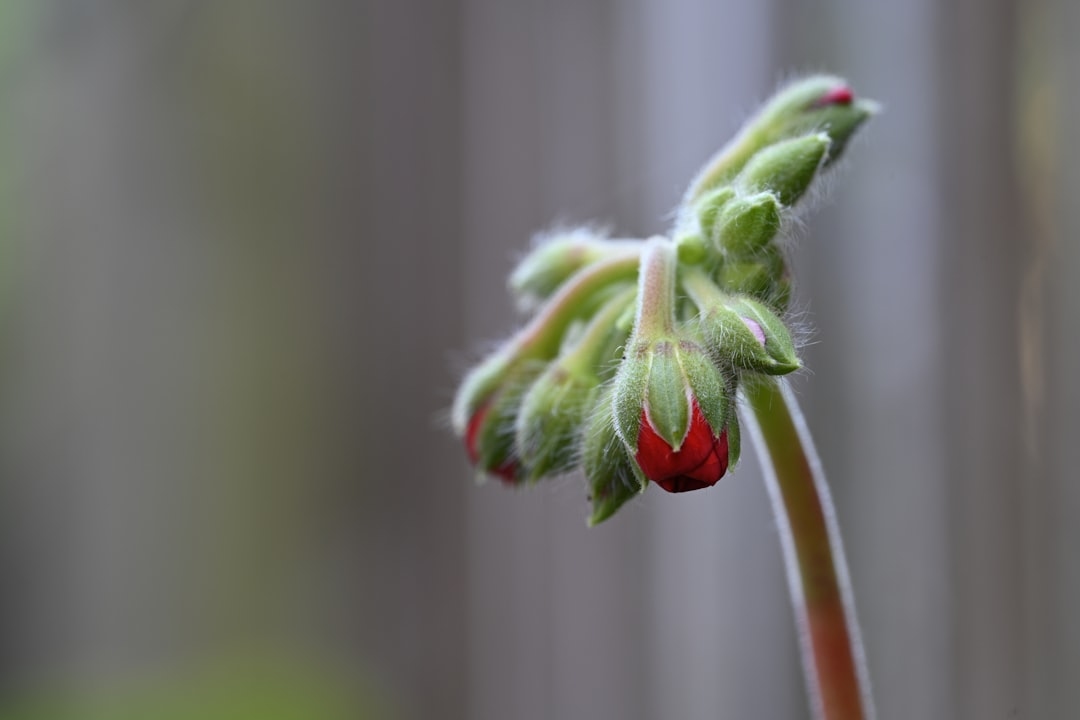
The bud has to go through a specific sequence: it starts as a tight green ball, softens into a marshmallow-like globe, then cracks open to reveal color. If it stalls at any of those stages, one of the causes below is almost certainly responsible.
Top Reasons for Peonies Not Opening
1. Botrytis Blight (The Most Common Culprit)
Botrytis cinerea is a fungal disease that turns buds brown and causes them to wither before they can open. If your buds look tan or grayish and feel mushy when you press them, this is likely your problem. It thrives in wet, cool springs with poor air circulation. The fix: remove and dispose of infected buds (don’t compost them), space plants at least 3 feet apart, and apply a copper-based fungicide early in the season. Avoid overhead watering.
2. Not Enough Sun
Peonies need a minimum of 6 hours of direct sunlight daily. Fewer than that and buds may form but never open — the plant simply doesn’t have enough energy to push through to full bloom. If your plant is shaded by a tree that has filled in over the years, that’s often why blooms dropped off gradually rather than all at once.
3. Planted Too Deep
This is the classic mistake. Peony “eyes” — the red growth buds on the root — should sit no more than 1–2 inches below the soil surface in most of the US. Plant them deeper than that and the plant may grow lush foliage but refuse to flower. If your peony has never bloomed well since planting, dig it up in fall and replant it at the correct depth.
4. Late Frost Damage
A frost after buds have set can kill the developing tissue inside, leaving the outer bud shell intact but the interior dead. The bud looks fine from the outside but never progresses. Check your local last frost date — if you had a surprise frost after buds formed, that’s likely the explanation. There’s no fix for that season, but protecting plants with frost cloth next year solves it.
5. Drought Stress at the Wrong Moment
Peonies need consistent moisture most during bud development — roughly 4–6 weeks before blooming. If rainfall drops off and you’re not supplementing with irrigation, buds can stall or blast (dry up without opening). Aim for about 1 inch of water per week during this window, delivered at the base of the plant.
6. Immature Plants
Newly planted peonies typically take 2–3 years to bloom reliably. If yours went in last spring, give it grace. Many gardeners panic in year one or two thinking something is wrong, when the plant is simply establishing its root system before putting energy into flowers.
Peonies vs. Ranunculus: Don’t Confuse the Two

A lot of new gardeners mistake ranunculus for peonies, especially in flower arrangements. Both have layered, lush blooms — but ranunculus is an annual (or tender perennial in zones 8–10) that grows from corms, while peonies are long-lived perennials from tuberous roots. Ranunculus blooms earlier (March–April) and is far more sensitive to heat. If you planted something thinking it was a peony and it’s behaving strangely, double-check what you actually have. Peony foliage is distinctly lobed and dark green; ranunculus leaves are smaller and more delicate.
Seasonal Timeline: What to Expect Month by Month
- March–April: Red shoots emerge from the ground. This is normal and healthy.
- April–May: Buds form and begin to swell. Watch for botrytis during rainy spells.
- Late May–June: Peak bloom season for most US zones. Buds should crack open within 7–14 days of showing color.
- After bloom: Deadhead spent flowers but leave foliage until fall — it feeds next year’s blooms.
- September–October: Best time to divide, transplant, or replant at correct depth.
Practical Tips to Encourage Blooming
- Apply a low-nitrogen fertilizer (something like 5-10-10) in early spring when shoots emerge. Too much nitrogen pushes foliage at the expense of flowers.
- Mulch around the base — but keep mulch away from the crown. A 2-inch layer is ideal for moisture retention without smothering the eyes.
- Don’t cut the plant back in spring. Let old stems die naturally or cut them in fall, not while new growth is pushing.
- If you see ants on your buds, leave them alone. Ants are attracted to the sugary nectar peonies produce and do not cause buds to stay closed — that’s a myth. They won’t hurt the plant.
Frequently Asked Questions
Why are my peony buds turning brown and not opening?
Brown buds that don’t open are almost always caused by botrytis blight, a fungal disease that attacks in cool, wet conditions. Remove affected buds immediately, improve air circulation around the plant, and treat with a copper fungicide. Avoid wetting the foliage when watering.
How long does it take for peony buds to open?
Once a peony bud shows color, it typically takes 7–14 days to fully open under normal conditions. Cooler temperatures slow the process; warm sunny days speed it up. If a bud hasn’t progressed after 3 weeks, it likely won’t open that season.
Will peonies bloom if planted in shade?
Peonies planted in full shade rarely bloom well. They need at least 6 hours of direct sunlight per day. Partial shade (3–5 hours) may produce occasional blooms but will significantly reduce flowering. Relocating the plant to a sunnier spot in fall is the best long-term fix.
Do ants help peonies open?
No — ants don’t help peonies open, and they don’t harm them either. Ants are drawn to the sugary nectar on peony buds and are simply along for the ride. The “ants are needed for blooming” idea is a widespread myth. Peonies open fine without them.
Can I force peony buds to open indoors?
Yes. Cut buds at the marshmallow stage (soft but not yet cracked), place stems in warm water indoors, and they’ll open within 1–3 days. This is a common florist technique. Avoid cutting buds that are still hard and green — those won’t open off the plant.
What to Do Right Now
Walk out to your peonies today and press gently on each bud. Soft and squishy? It’s on track — give it more time and make sure it’s getting sun and consistent water. Brown and mushy? That’s botrytis; remove those buds now before spores spread. Still hard and green in June? Check your planting depth this fall and consider whether the location gets enough light. Most peonies not opening situations are completely reversible with one season of attention and a small adjustment. Your bloom season next year can look completely different.