Contents:
- Understanding Why Hydrangeas Turn Brown
- The Most Common Causes of Hydrangeas Turning Brown
- Underwatering and Heat Stress
- Too Much Direct Sun
- Frost Damage
- Fungal Diseases: Botrytis and Cercospora Leaf Spot
- Overwatering and Root Rot
- Fertilizer Burn
- What the Pros Know
- Cost Breakdown: Treating Brown Hydrangeas
- Practical Tips to Prevent Browning Next Season
- FAQ: Hydrangeas Turning Brown
- Why are my hydrangea blooms turning brown but the leaves look fine?
- Can brown hydrangea flowers turn back to their original color?
- Should I cut off brown hydrangea flowers?
- Why do my hydrangeas turn brown every summer even though I water them?
- Are brown hydrangeas dead?
- Your Next Step
You stepped outside to check on your hydrangeas, and something stopped you cold. Those lush, billowing blooms — the ones you planted with such care — are turning brown. Not a subtle shift, either. Full-on crispy edges, drooping petals, leaves that look like they gave up. If you’re frustrated, you’re not alone. Hydrangeas turning brown is one of the most common complaints among home gardeners, and the maddening part is that it can happen for a dozen different reasons.
The good news? Most causes are fixable. Some are even preventable once you know what to look for. This guide breaks down every major culprit — and tells you exactly what to do about each one.
Understanding Why Hydrangeas Turn Brown
Hydrangeas are dramatic plants. They’re sensitive to heat, water levels, soil chemistry, and sunlight in ways that most shrubs simply aren’t. That sensitivity is part of their charm, but it also means they broadcast distress loudly — and browning is their most common signal.
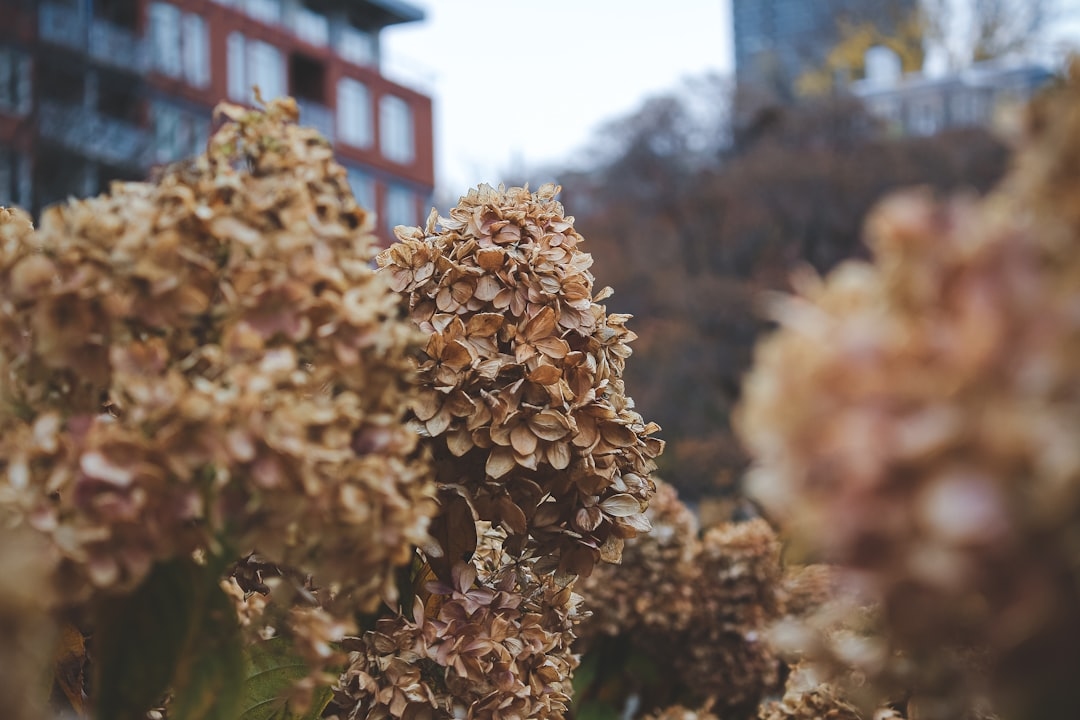
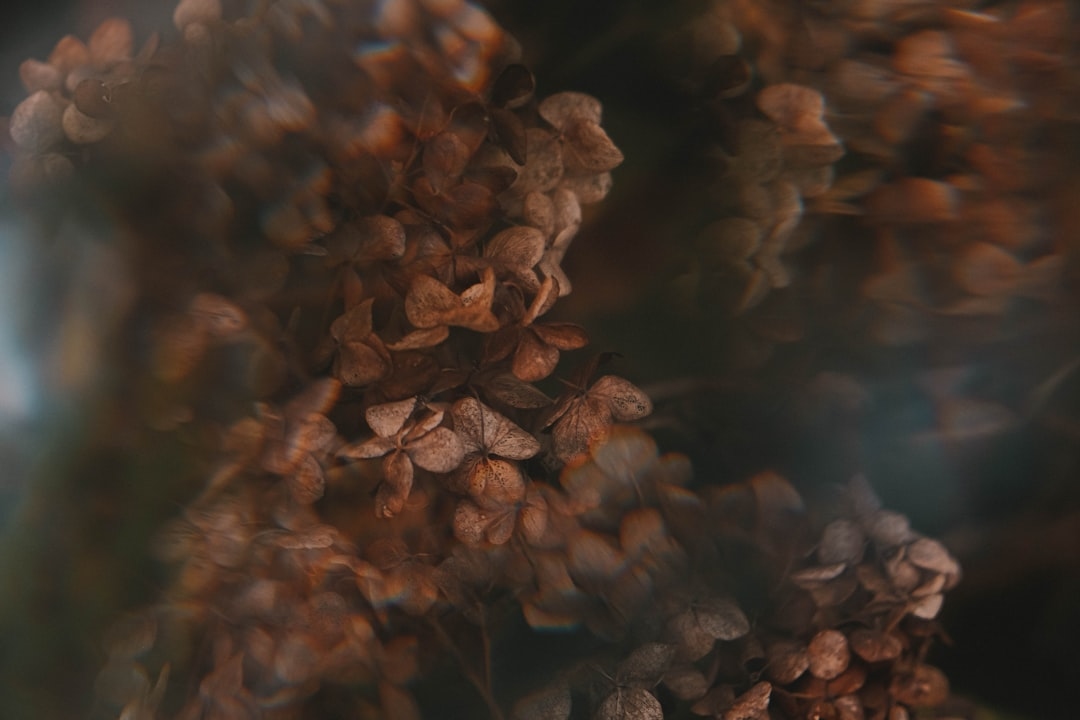
Brown discoloration can appear on the blooms, the leaves, or both. Where the browning starts, and what it looks like, tells you a lot about the underlying cause. Crispy brown edges on flowers usually point to environmental stress. Dark brown spots on leaves often signal disease. Entire stems collapsing and turning brown can indicate root rot or crown damage.
Pay attention to the pattern. It’s diagnostic.
The Most Common Causes of Hydrangeas Turning Brown
1. Underwatering and Heat Stress
Hydrangeas need consistent moisture — roughly 1 inch of water per week during the growing season, and up to 2 inches during hot spells. When they don’t get it, blooms and leaf edges turn brown and papery within 24 to 48 hours of a heat event. This is especially common in USDA Hardiness Zones 7–9, where summer temperatures routinely push past 90°F.
The fix is straightforward: deep watering at the base of the plant, early in the morning, three to four times per week during dry stretches. Avoid overhead watering, which can scorch wet leaves in direct sun. A 3-inch layer of mulch around the root zone dramatically reduces moisture loss — expect to cut your watering frequency nearly in half with proper mulching.
2. Too Much Direct Sun
Most hydrangea varieties — particularly Bigleaf (Hydrangea macrophylla) and Oakleaf (Hydrangea quercifolia) — perform best with morning sun and afternoon shade. When they’re planted in full afternoon sun, the combination of heat and UV exposure bleaches and browns the flower heads, sometimes within a single season.
If your hydrangeas are in a south- or west-facing bed with no overhead canopy, that’s likely your culprit. You can’t move an established shrub easily, but you can create shade with a garden umbrella, shade cloth rated at 30–40% block, or by planting taller perennials nearby as a seasonal buffer.
3. Frost Damage
A late frost in spring — even a light one at 32°F — can brown hydrangea buds and new growth almost overnight. This is particularly devastating for Bigleaf varieties, which set their flower buds on old wood. Once those buds are killed by frost, the plant often won’t rebloom until the following year.
If you’re in Zones 5 or 6, cover your hydrangeas with burlap or a frost cloth whenever temperatures are forecast to drop below 35°F in April or May. It takes ten minutes and can save an entire season of blooms.
4. Fungal Diseases: Botrytis and Cercospora Leaf Spot
Brown spots with a grayish, fuzzy center on blooms? That’s Botrytis blight, a fungal disease that thrives in cool, wet conditions with poor air circulation. Brown or purple-edged spots on leaves, particularly lower on the plant, suggest Cercospora leaf spot.
Both diseases spread through water splash and dense planting. Space hydrangeas at least 3 to 5 feet apart to allow airflow. Remove infected plant material immediately — don’t compost it. A copper-based fungicide applied every 7 to 10 days during wet periods is effective for both conditions. Caught early, most plants recover fully within one growing season.
5. Overwatering and Root Rot
Counterintuitively, too much water causes browning too. Soggy soil starves roots of oxygen, leading to root rot caused by Phytophthora or Pythium fungi. Symptoms include wilting despite wet soil, yellowing leaves that progress to brown, and a foul smell near the base of the plant.
Check your drainage. Hydrangeas should never sit in standing water. If your soil stays wet for more than 48 hours after rain, amend it with perlite or coarse sand, or consider raised planting beds. Severely affected plants may need to be dug up, roots trimmed back to healthy tissue, and replanted in fresh, well-draining soil.
6. Fertilizer Burn
Over-fertilizing — especially with high-nitrogen formulas — causes salt buildup in the soil that pulls moisture out of plant roots through osmosis. The result is brown leaf tips and edges that look almost identical to drought stress. If you’ve recently fertilized and notice browning within one to two weeks, this is the likely cause.
Flush the soil with deep watering (at least 2 to 3 inches) over several days to leach out excess salts. Going forward, use a balanced, slow-release fertilizer (10-10-10) once in spring and once in early summer — nothing more. Avoid fertilizing after August, which can push tender new growth that’s vulnerable to frost.
What the Pros Know
Pro Tip: “Most gardeners react to brown hydrangeas by watering more — but that’s the wrong first move,” says Clara Mendez, certified horticulturist and owner of Thornwood Garden Studio in Asheville, NC. “Stick your finger 2 inches into the soil first. If it’s already moist, water isn’t your problem. Look at the pattern of browning — edges mean sun or wind stress, spots mean disease, and collapse from the base means root trouble. Diagnosis before treatment saves plants.”
Cost Breakdown: Treating Brown Hydrangeas
Most fixes are affordable. Here’s a realistic budget for common treatments:
- Mulch (2 cubic feet bag): $5–$9 at most garden centers
- Shade cloth (10 ft x 10 ft, 30% block): $15–$25
- Copper fungicide (32 oz concentrate): $18–$30
- Frost cloth/burlap (per plant): $8–$15
- Slow-release balanced fertilizer (5 lb bag): $12–$20
- Soil amendment (perlite, 8 qt): $10–$14
For most gardeners, a full diagnostic toolkit costs under $50. Replacing a mature hydrangea shrub, by contrast, runs $30–$120 depending on variety and size — so early intervention pays off.
Practical Tips to Prevent Browning Next Season
- Choose the right variety for your zone. Panicle hydrangeas (Hydrangea paniculata) are far more heat- and sun-tolerant than Bigleaf varieties — ideal for Zones 7–9.
- Plant in spring or fall, never in peak summer heat, to give roots time to establish before stress season.
- Water deeply and infrequently rather than shallowly and often. Deep watering encourages roots to grow downward, making the plant more drought-resilient.
- Deadhead spent brown blooms promptly to redirect the plant’s energy and reduce disease pressure.
- Test your soil every two to three years. Hydrangeas prefer a pH of 5.5 to 6.5. Outside that range, nutrient uptake suffers and stress-related browning becomes more likely.
FAQ: Hydrangeas Turning Brown
Why are my hydrangea blooms turning brown but the leaves look fine?
Brown blooms with healthy leaves usually indicate environmental stress — heat, sun exposure, or inconsistent watering — rather than disease. Move the plant to a shadier spot or increase watering frequency during hot spells.
Can brown hydrangea flowers turn back to their original color?
No. Once a bloom browns, that color change is permanent. However, the plant will produce new, healthy blooms if the underlying cause is corrected. Deadhead the brown flowers to encourage fresh growth.
Should I cut off brown hydrangea flowers?
Yes. Removing brown or spent blooms prevents disease spread and signals the plant to put energy into new growth. Cut just above the first set of healthy leaves below the bloom head.
Why do my hydrangeas turn brown every summer even though I water them?
If browning happens annually despite regular watering, afternoon sun exposure is the most likely culprit. Hydrangeas in western sun will scorch reliably every July and August regardless of irrigation. Adding afternoon shade is the most effective long-term fix.
Are brown hydrangeas dead?
Rarely. Brown blooms or leaves don’t mean the plant is dead — they mean it’s stressed. Check the stems: if they’re still green and pliable when scratched, the plant is alive. Most hydrangeas recover fully with proper diagnosis and care within one growing season.
Your Next Step
Take five minutes this week to diagnose your plant using the pattern guide above. Check soil moisture, note where the browning is concentrated, and look closely at the affected tissue for spots, fuzz, or crispy edges. That one observation will point you toward the right fix faster than any general advice can.
Hydrangeas are worth the effort. With the right conditions, they’ll reward you with blooms from late spring through fall — and once you understand what they’re telling you, brown patches become a solvable puzzle rather than a source of dread.