Contents:
- The Rose Supply Chain: From Colombian Farms to Your Doorstep
- Why Demand Crushes Supply Every February
- Regional Price Differences Across the US
- The Botany Factor: Why Roses Are Harder to Grow Than You Think
- Common Mistakes to Avoid When Buying Valentine’s Day Roses
- Practical Tips for Getting Better Value on Valentine’s Roses
- FAQ: Why Are Roses So Expensive on Valentine’s Day?
- Why do rose prices go up so much specifically on Valentine’s Day?
- Where do most Valentine’s Day roses come from?
- Are roses cheaper before or after Valentine’s Day?
- Why are red roses more expensive than other colors on Valentine’s Day?
- Can I grow my own roses for Valentine’s Day?
- What You Can Do Differently This Year
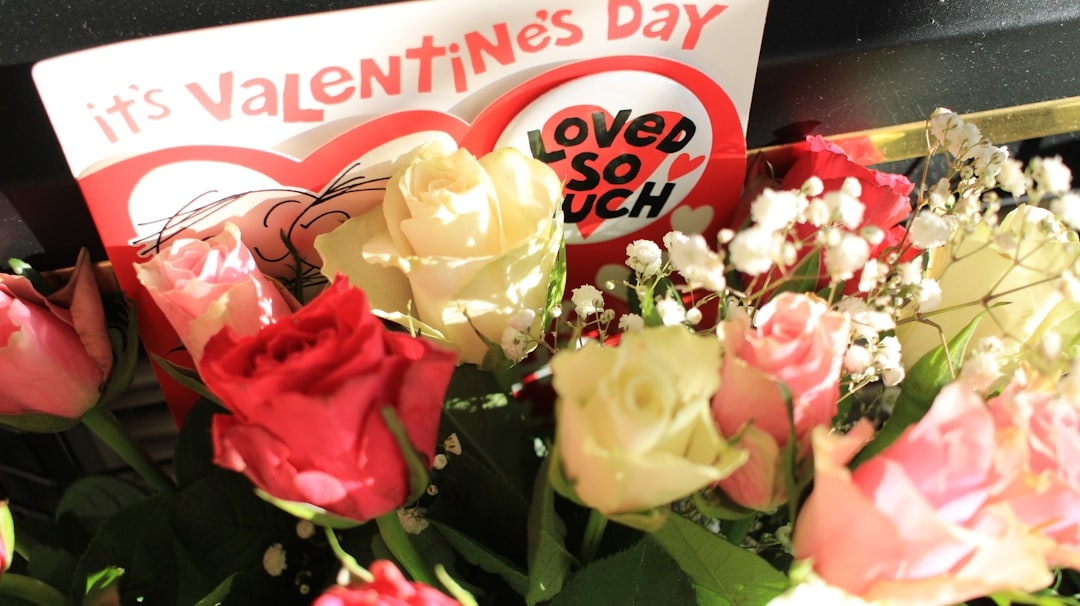
A single red rose on February 14th can cost more than an entire dozen did in early January. In fact, according to the Society of American Florists, Americans spend over $2.3 billion on flowers for Valentine’s Day each year — and roses account for the lion’s share of that figure. If you’ve ever stared at a $90 bouquet and wondered what exactly you’re paying for, the answer involves refrigerated cargo planes, equatorial growing conditions, and one of the most compressed demand spikes in any consumer market. Understanding why roses are expensive on Valentine’s Day is partly economics, partly botany, and partly a story about how fragile the flower supply chain really is.
The Rose Supply Chain: From Colombian Farms to Your Doorstep
Most Valentine’s Day roses sold in the United States don’t grow here. Roughly 80% of cut roses imported into the US come from Colombia and Ecuador, with Ecuador alone exporting over 600 million stems annually. These countries offer the ideal combination of high altitude, equatorial sunlight, and relatively stable temperatures — conditions that produce large, long-stemmed blooms with thick petals that survive multi-day transit.
The journey from a Bogotá greenhouse to a vase in Boston involves cold-chain logistics at nearly every step. Flowers are cut, graded, hydrated, and packed into refrigerated containers within hours of harvest. They then travel by cargo plane — often through Miami International Airport, which handles over 90% of all imported cut flowers entering the US — before being distributed to wholesalers, then retailers, then customers.
Each link in that chain adds cost. Cold storage, air freight, customs inspections, wholesaler margins, and retail markup all compound. On a normal February Tuesday, those costs are manageable. Valentine’s Day is not a normal Tuesday.
Why Demand Crushes Supply Every February
The core problem is timing. Valentine’s Day generates a demand spike that is almost impossible to fully anticipate and impossible to fully meet. Florists across the country need their roses delivered within a 3–5 day window, which means farms, freight carriers, and cold-storage facilities are all operating at maximum capacity simultaneously.
Airlines charge premium rates for cargo space during this window. Cargo capacity that costs $0.50 per kilogram in early January can jump to $3.00 or more per kilogram in the week before February 14th. That cost increase passes directly down the supply chain.
Meanwhile, growing more roses isn’t a simple fix. A rose plant takes 3 to 5 years to reach full production maturity. Growers can’t simply plant extra stems in November to meet February demand. The supply side is effectively fixed, while demand spikes predictably every single year — a textbook setup for price increases.
Regional Price Differences Across the US
Not all Americans pay the same Valentine’s Day rose prices. Geography plays a measurable role. In the Northeast — particularly New York City and Boston — a dozen red roses from a traditional florist routinely runs $75–$150, driven by high real estate costs for retail space, labor costs, and dense urban demand.
In the South, particularly in mid-sized cities like Charlotte or Nashville, the same dozen might cost $45–$80, reflecting lower overhead and a greater concentration of grocery store floral departments that compete with independent florists on price.
On the West Coast, prices in Seattle and Los Angeles tend to fall somewhere between those extremes — often $60–$110 — but with a notable difference: California’s domestic flower industry (centered in Santa Barbara and San Diego counties) provides a modest local supply that can marginally cushion import dependency, particularly for garden-variety varieties.
The Botany Factor: Why Roses Are Harder to Grow Than You Think
Roses are labor-intensive crops. Unlike many agricultural products, they cannot be machine-harvested without damage. Each stem is cut by hand, inspected by hand, and graded by hand. A commercial rose farm employs a significant workforce relative to its output — labor that must be compensated.
Red roses specifically require careful climate management. The ideal growing temperature is 60–70°F (15–21°C) during the day with a nighttime drop to around 55°F. Deviation from this range affects petal count, stem length, and vase life. Achieving it consistently in large greenhouses requires energy-intensive climate control — a cost that has risen sharply since 2026 due to global energy prices.
Additionally, the most popular Valentine’s varieties — Freedom, Explorer, and Kardinal — are proprietary cultivars. Farms pay licensing royalties to Dutch breeding companies for the right to grow them. That per-stem royalty fee is baked into every rose you buy.
Common Mistakes to Avoid When Buying Valentine’s Day Roses
- Ordering after February 10th: Most florists begin running out of premium long-stem inventory by February 11th. Waiting until February 13th almost guarantees paying the highest price for the least selection.
- Assuming grocery store roses are always cheaper: Supermarket bouquets can be competitively priced, but they often use shorter stems (40–50 cm vs. the florist standard of 60–70 cm) and may have shorter vase life. Compare stem length and bloom size, not just sticker price.
- Ignoring local flower farms: In many parts of the country, small CSA-style flower farms sell Valentine’s bouquets directly. USDA-certified local flowers bypass the entire import supply chain and can be significantly fresher.
- Skipping the water conditioning step: Roses arrive stressed from transit. Cutting stems at a 45-degree angle under water and adding floral preservative can extend vase life from 5 days to 10–14 days — doubling your value per dollar spent.
Practical Tips for Getting Better Value on Valentine’s Roses
The single most effective strategy is to order by February 1st. Early orders lock in lower pre-surge pricing at most florists, sometimes saving 20–35% compared to last-minute purchases.
Consider ordering mixed bouquets with red spray roses rather than large-headed hybrid tea roses. Spray roses produce multiple blooms per stem, offer a longer vase life (often 12–16 days), and retail for considerably less per stem while delivering a comparable visual impact.
For the genuinely DIY-oriented, purchasing wholesale from a local flower market — if one exists in your city — is a legitimate option. Markets like the Los Angeles Flower District or the New York Flower Market sell to the public, and a $30 investment can yield a genuinely impressive arrangement with a little practice and a YouTube tutorial.
FAQ: Why Are Roses So Expensive on Valentine’s Day?
Why do rose prices go up so much specifically on Valentine’s Day?
Valentine’s Day compresses massive demand into a 3–5 day window. Supply — from farms to cargo flights to cold storage — is fixed in the short term, so prices rise to balance the market. Air freight rates for cut flowers can increase by 400–600% during this period alone.
Where do most Valentine’s Day roses come from?
Approximately 80% of imported cut roses in the US come from Colombia and Ecuador. Miami International Airport serves as the primary entry point, handling over 90% of all imported cut flowers.
Are roses cheaper before or after Valentine’s Day?
Yes, significantly. Prices typically drop 40–60% by February 15th. If the gesture matters more than the date, buying on February 15th or 16th offers dramatically better value with essentially the same product.
Why are red roses more expensive than other colors on Valentine’s Day?
Red roses — particularly varieties like Freedom and Explorer — account for the bulk of Valentine’s demand. The concentration of demand on a single color strains specific inventory. Pink, white, and peach roses often cost 20–30% less during the same period simply because demand is lower.
Can I grow my own roses for Valentine’s Day?
In most of the US, outdoor roses are dormant in February. However, gardeners in USDA Hardiness Zones 9–11 (Southern California, South Texas, South Florida) can time winter pruning to produce blooms around Valentine’s Day with careful planning starting in late December.
What You Can Do Differently This Year
The economics of Valentine’s Day roses aren’t going to change — the supply chain is too established and demand too predictable. But buyers who understand the system can work around it. Order early, consider alternative varieties, explore local flower markets, and if you do spend the premium price, properly condition your flowers to maximize what you paid for. A $75 bouquet that lasts two weeks is a much better deal than a $50 bouquet that wilts in four days. The science of roses rewards a little preparation — which, when you think about it, is true of most things worth doing well.