Contents:
- What Happens to Cut Flowers the Moment They’re Snipped
- The 5 Real Reasons Your Flowers Die Fast in a Vase
- Dirty Water and Bacterial Growth
- Stem Ends That Can’t Drink
- Ethylene Gas from Nearby Fruit
- Heat and Direct Light
- Wrong Water Depth or Vase Shape
- Budget-Friendly Flower Care: What It Actually Costs
- Practical Tips to Make Cut Flowers Last Longer
- Which Flowers Last Longest in a Vase?
- Frequently Asked Questions
- Why do my flowers wilt after just one day in a vase?
- Does adding aspirin to vase water actually work?
- Should I put flowers in warm or cold water?
- Why do flowers from the grocery store die faster than florist flowers?
- Can I revive wilted flowers?
- Make Every Bouquet Worth the Money
Most flowers are dead within four days — and it has almost nothing to do with bad luck. The truth is, a few invisible enemies are quietly working against your bouquet from the moment it’s cut. The good news? Fixing the problem costs almost nothing.
Understanding why flowers die fast in a vase is the first step to actually enjoying them longer. Whether you splurged on a $40 florist arrangement or grabbed a $8 grocery store bunch, the same principles apply — and the solutions are just as simple either way.
What Happens to Cut Flowers the Moment They’re Snipped
A cut stem is essentially a wound. The flower immediately starts sealing that wound to prevent water loss — which is great for survival in the garden, but terrible in a vase. Within hours, the cut end begins to callous over, blocking the flower’s ability to drink water. No water uptake means wilting starts fast, sometimes within 24 hours.
At the same time, bacteria from tap water and the vase surface colonize the stem end. These bacteria produce slime that physically clogs the water-conducting vessels (called xylem). A 2019 study from Wageningen University found that bacterial populations in vase water can double every 20 minutes at room temperature — that’s a serious blockage problem developing quickly.
The 5 Real Reasons Your Flowers Die Fast in a Vase
1. Dirty Water and Bacterial Growth
Tap water isn’t sterile. Even clean-looking vase water is teeming with microbes within 24–48 hours. Those microbes clog stems and accelerate decay. A single drop of household bleach per quart of water kills most bacteria without harming flowers — no fancy flower food required.
2. Stem Ends That Can’t Drink
A flat, old cut creates an air-locked seal. Recutting stems at a 45° angle with a sharp knife (not scissors, which crush vessels) reopens the pathway and increases the surface area for water absorption. Do this every time you change the water — ideally every 48 hours.
3. Ethylene Gas from Nearby Fruit
Apples, bananas, and avocados release ethylene gas as they ripen. Ethylene is a natural plant hormone that triggers aging. Flowers sitting within 3 feet of a fruit bowl can wilt 30–50% faster, according to extension research from the University of Georgia. Move your vase to the other side of the kitchen — or a completely different room.
4. Heat and Direct Light
Flowers aren’t houseplants. They don’t need sunlight to survive — they’re already cut. Direct sun and heat speeds up respiration, drying blooms from the inside out. The ideal spot is somewhere cool (60–65°F), with indirect light. A bedroom or hallway beats a sunny windowsill every time.
5. Wrong Water Depth or Vase Shape
Soft-stemmed flowers like tulips and gerbera daisies do best in just 2–3 inches of water — too much and the stems rot. Woody-stemmed flowers like lilacs need deeper water, around 4–6 inches. Tall, narrow vases support heavy-headed flowers like sunflowers and prevent drooping.
Budget-Friendly Flower Care: What It Actually Costs
You don’t need expensive flower preservatives. Here’s a simple cost breakdown for keeping flowers fresh at home:
- Commercial flower food packets (often included free with florist bouquets) — $0 to $1 each
- DIY preservative mix: 1 tsp sugar + 1 tsp white vinegar + 1 drop bleach per quart of water — under $0.05 per vase
- Sharp floral knife: $6–$12 one-time purchase (lasts years)
- Clean vase: Wash with 1 tbsp white vinegar per cup of water — free if you already have vinegar
Total ongoing cost to keep flowers alive longer: pennies per bouquet. The difference between a $10 grocery store bunch lasting 4 days versus 12 days comes down to a sharp knife and clean water.
Practical Tips to Make Cut Flowers Last Longer
- Recut stems immediately when you get home — even if they were cut at the florist. Use a sharp knife at a 45° angle, ideally while holding the stem under water.
- Strip all leaves below the waterline. Submerged leaves rot within 24 hours and feed bacteria fast.
- Use lukewarm water for most flowers. Cold water slows uptake. Exception: tulips prefer cold water to stay upright longer.
- Change water every 2 days and rinse the vase with vinegar water to remove bacterial residue.
- Add the DIY preservative mix with every water change — sugar feeds the flower, vinegar lowers pH for better uptake, bleach controls bacteria.
- Place flowers in the refrigerator overnight if your home runs warm. Florists store most flowers at 34–38°F. Even a few hours of cold at night can significantly extend vase life.
Which Flowers Last Longest in a Vase?
If you’re buying on a budget and want maximum value, choose flowers known for long vase life. Chrysanthemums and carnations regularly last 2–3 weeks with proper care. Alstroemeria (Peruvian lily) typically lasts 10–14 days. Roses, with proper care, hit 7–10 days. Tulips and daffodils are the shortest-lived at 5–7 days — beautiful but fleeting.
Avoid mixing daffodils with other flowers in the same vase. They release a sap that’s toxic to tulips, roses, and most other cut flowers. Keep them solo or rinse stems thoroughly and condition them in separate water for 24 hours before mixing.
Frequently Asked Questions
Why do my flowers wilt after just one day in a vase?
Same-day wilting almost always means the stems weren’t recut after purchase, the water is too cold or too warm, or the flowers were heat-stressed during transport. Recut the stems at a 45° angle, move the vase somewhere cool, and add a teaspoon of sugar to the water. You should see recovery within 2–4 hours.
Does adding aspirin to vase water actually work?
Partially. Aspirin lowers the pH of water, which does help water move up stems more efficiently. However, it doesn’t provide nutrients or control bacteria. The DIY mix of sugar + vinegar + bleach is more effective because it addresses all three main causes of early flower death.
Should I put flowers in warm or cold water?
Lukewarm water (around 100–110°F) works best for most cut flowers because it’s absorbed faster than cold water. Tulips are the main exception — they prefer cold water and stay upright much longer in it. Avoid very hot water, which can cook delicate petals.
Why do flowers from the grocery store die faster than florist flowers?
Not always — but grocery store flowers often sit in display buckets for days before purchase, meaning their stems have already begun to seal and bacteria levels in the water are high. The fix is the same: recut stems immediately, change the water, and add preservative. Treated correctly, a $9 grocery bunch can easily outlast a $35 florist bouquet that was neglected.
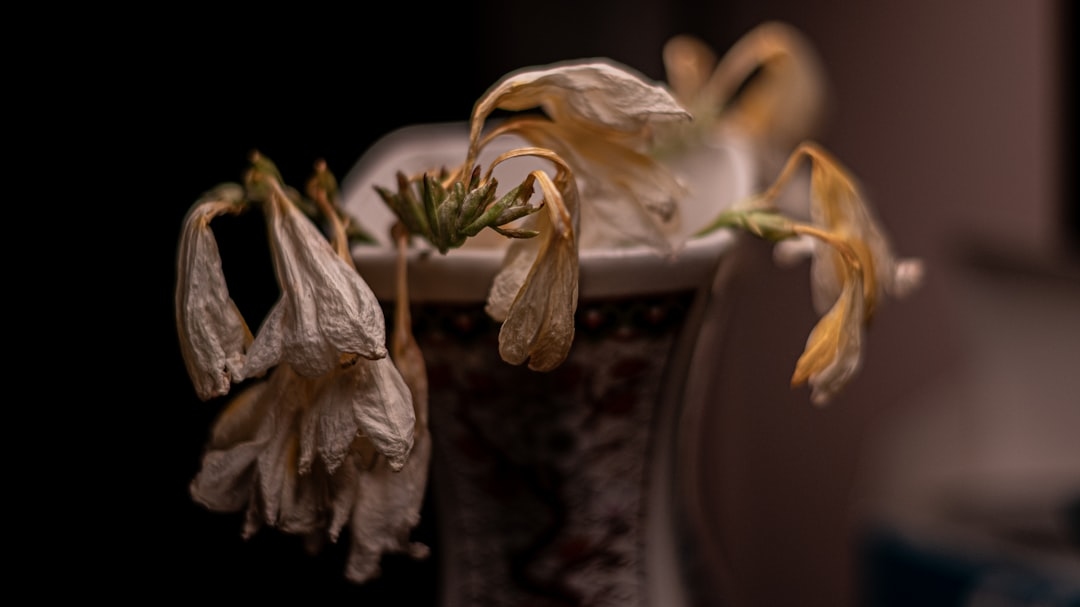
Can I revive wilted flowers?
Yes, often within a few hours. Recut 1–2 inches off each stem, submerge the entire flower (blooms included) in cool water for 30 minutes, then place in a clean vase with fresh preservative solution. This works especially well for roses and tulips. Severely wilted flowers with browning petals are harder to revive, but it’s always worth trying before tossing them.
Make Every Bouquet Worth the Money
Now that you know exactly why flowers die fast in a vase — bacteria, blocked stems, ethylene, and heat — you have everything you need to fix it. Start with the basics: fresh water every two days, a clean angled cut, and a cool spot away from the fruit bowl. Add the DIY preservative mix and you’re already ahead of most people.
Your next bouquet deserves better than four days on the counter. Try these changes and watch the same $10 bunch turn into a two-week centerpiece. Once you see the difference, you’ll never go back to just plopping flowers in water and hoping for the best.