Contents:
- The Most Common Reasons Flower Leaves Turn Yellow
- Overwatering and Poor Drainage
- Nitrogen Deficiency
- Iron Deficiency and Interveinal Chlorosis
- Underwatering and Heat Stress
- Pests and Disease
- Natural Yellowing vs. a Problem Worth Fixing
- Practical Steps to Diagnose and Fix the Problem
- Eco-Friendly Approaches to Restoring Leaf Health
- Frequently Asked Questions
- Why are my flower leaves turning yellow with green veins?
- Can too much sun cause yellow leaves on flowers?
- Should I remove yellow leaves from my plants?
- How quickly can yellow leaves turn green again?
- Is overwatering or underwatering more likely to cause yellow leaves?
- What to Do Next
What is your plant trying to tell you? Yellowing leaves are one of the most common distress signals in the garden, yet most gardeners treat the symptom without diagnosing the cause. The result is a cycle of guesswork that leaves plants worse off than before. Understanding why flower leaves turn yellow requires looking at the whole system — soil chemistry, watering habits, light exposure, and even the biology of the leaf itself.
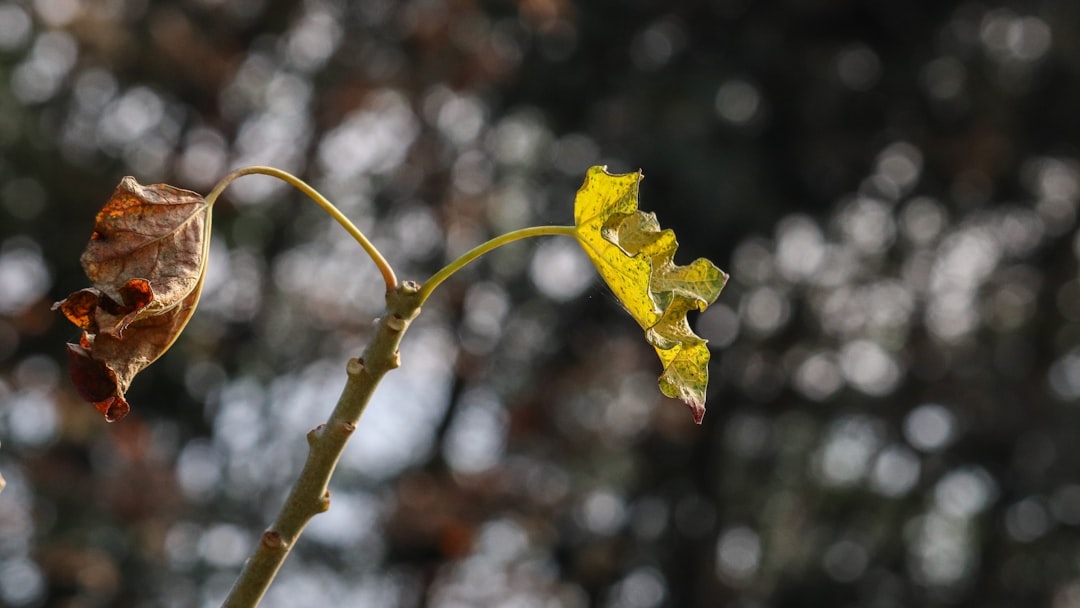
Chlorosis — the technical term for leaf yellowing — occurs when chlorophyll breaks down or fails to form properly. Chlorophyll is the pigment that makes leaves green and drives photosynthesis. When something disrupts its production, yellow is what you get. The challenge is that nearly a dozen different problems can trigger the same visible symptom.
The Most Common Reasons Flower Leaves Turn Yellow
Before reaching for a fertilizer or changing your watering schedule, take a close look at the pattern of yellowing. Where on the plant are the yellow leaves appearing? Are they pale all over, or is the yellowing between the veins? Is it happening fast or gradually? These details point toward specific causes.
Overwatering and Poor Drainage
This is the single most common cause of flower leaves turning yellow among home gardeners. Overwatered roots become oxygen-starved and begin to rot, preventing the plant from absorbing nutrients even when they’re present in the soil. Yellowing typically starts with the lower leaves and progresses upward. The soil will feel consistently wet, and in severe cases, you may notice a sour or musty odor at the root zone.
A simple test: push your finger 2 inches into the soil. If it’s still wet from the last watering, hold off. Most flowering plants prefer to dry out slightly between waterings — petunias, marigolds, and zinnias, for example, thrive when the top inch of soil dries before the next watering cycle.
Nitrogen Deficiency
Nitrogen is the engine of vegetative growth. A deficiency causes a uniform yellowing that starts at the oldest, lowest leaves and moves up the plant as the nitrogen is pulled from older tissue to support new growth. If your entire plant looks pale and growth has stalled, nitrogen is the likely culprit.
A soil test from your local cooperative extension office (typically $15–$25) will confirm this. For a fast fix, a balanced liquid fertilizer with an N-P-K ratio like 10-10-10 applied every two weeks during the growing season can restore color within 7–10 days in mild cases.
Iron Deficiency and Interveinal Chlorosis
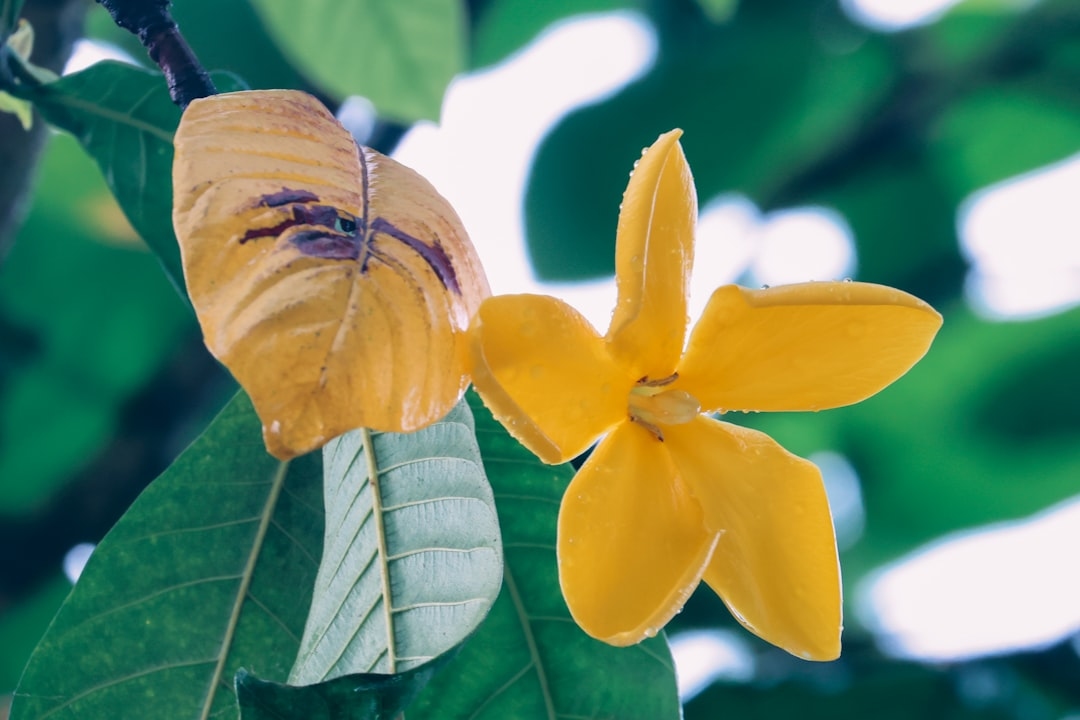
Here’s where pattern recognition becomes critical. If the leaf tissue between the veins turns yellow while the veins themselves stay green, that’s interveinal chlorosis — a hallmark of iron or manganese deficiency. This is commonly confused with nitrogen deficiency, but the distinction matters because the treatments are completely different.
Iron deficiency is often caused not by a lack of iron in the soil, but by soil pH that’s too high (above 7.0), which locks iron into a form plants can’t absorb. Acidic-preferring plants like gardenias and azaleas are especially prone to this in alkaline soils common across the American Midwest and Southwest. Lowering soil pH with elemental sulfur and applying chelated iron foliar spray addresses both the symptom and the root cause.
Underwatering and Heat Stress
Drought stress produces yellowing that’s often accompanied by crispy brown edges and wilting. Unlike overwatering, the soil will be bone dry and pulling away from the edges of the container. In USDA Hardiness Zones 7–10, summer temperatures above 95°F can push even well-watered plants into heat stress, accelerating leaf yellowing and drop.
Mulching around the base of plants with 2–3 inches of organic material — shredded bark, straw, or compost — reduces soil temperature by up to 10°F and slows moisture evaporation significantly.
Pests and Disease
Spider mites, aphids, and whiteflies all feed on plant sap, causing stippled or generalized yellowing. Check the undersides of leaves — that’s where most pests congregate. Fungal diseases like downy mildew can also cause yellow patches, often with a grayish coating on the underside. A 1% neem oil solution (about 2.5 teaspoons per quart of water) is an effective, eco-friendly treatment for both pest infestations and many fungal issues, and it avoids the chemical residue concerns associated with synthetic pesticides.
Natural Yellowing vs. a Problem Worth Fixing
Not every yellow leaf signals disaster. As plants mature, they shed older leaves naturally — a process called senescence. A few yellow leaves at the very base of an otherwise healthy, actively blooming plant is completely normal. The red flag is when yellowing spreads upward, affects new growth, or appears alongside stunted growth, wilting, or distorted leaves.
“One of the most common mistakes I see is gardeners over-fertilizing after they spot yellow leaves,” says Dr. Melissa Hartwell, a certified horticulturalist and plant health consultant based in Portland, Oregon. “If the real issue is root rot from overwatering, adding fertilizer makes things worse — it salts already-stressed roots. Always check moisture and drainage first.”
Practical Steps to Diagnose and Fix the Problem
- Check the soil moisture at 2-inch depth before doing anything else.
- Examine the yellowing pattern — uniform pale yellowing vs. interveinal chlorosis vs. lower-leaf-only vs. scattered across the plant.
- Inspect the undersides of leaves for pests, webbing, or fungal growth.
- Test your soil pH — ideal range for most flowering plants is 6.0–6.8.
- Adjust watering before adjusting fertilization. Drainage problems need structural solutions, not more nutrients.
- Apply targeted treatment based on your diagnosis: chelated iron for interveinal chlorosis, balanced fertilizer for nitrogen deficiency, neem oil for pests.
Eco-Friendly Approaches to Restoring Leaf Health
Chemical quick-fixes often address symptoms without improving long-term soil health. Building organic matter into your soil — through compost, worm castings, or cover cropping in the off-season — creates a self-regulating ecosystem that buffers pH swings, retains moisture evenly, and supports beneficial microbial activity that makes nutrients more bioavailable. A soil with 5% organic matter holds moisture up to 20 times better than depleted, sandy soil, reducing both drought stress and the overwatering risk that so often causes flower leaves to turn yellow in container gardens.
Compost tea, brewed from finished compost and aerated for 24–48 hours, can be applied as a foliar spray or soil drench to reintroduce beneficial bacteria and fungi — a zero-waste, chemical-free way to support plant recovery.
Frequently Asked Questions
Why are my flower leaves turning yellow with green veins?
Yellow leaves with green veins indicate interveinal chlorosis, most commonly caused by iron or manganese deficiency. This is often triggered by high soil pH (above 7.0) rather than a lack of iron in the soil. Test your pH and apply chelated iron foliar spray for a fast response.
Can too much sun cause yellow leaves on flowers?
Yes. Excessive direct sunlight can bleach leaves to a pale yellow or white, especially on shade-preferring plants like impatiens or begonias. This is called photoinhibition. The yellowing typically appears on the side of the plant most exposed to afternoon sun.
Should I remove yellow leaves from my plants?
Remove yellow leaves that are fully yellowed, limp, or showing signs of disease — they won’t recover and can harbor pests. Leave leaves that are only partially yellow and still firm, as they may still contribute to photosynthesis while the underlying issue is being corrected.
How quickly can yellow leaves turn green again?
Fully yellowed leaves will not turn green again. However, with the correct treatment, new healthy growth should appear within 1–3 weeks. In cases of nitrogen deficiency with liquid fertilizer application, existing pale-green leaves may deepen in color within 7–10 days.
Is overwatering or underwatering more likely to cause yellow leaves?
Overwatering is the more frequent cause, particularly in container plants. Both conditions produce yellow leaves, but overwatering typically produces soft, limp yellowing starting at the bottom of the plant, while underwatering produces yellowing accompanied by dry, crispy leaf edges and wilting.
What to Do Next
Yellowing leaves are a conversation your plant is having with you. The better your diagnostic skills, the faster you can respond — and the less you’ll lose to guesswork. Start with a soil moisture check and a close look at the yellowing pattern today. If you haven’t tested your soil pH in the last two years, that’s the single most valuable investment you can make for your garden’s long-term health. Many plants that struggle season after season with yellowing leaves are simply growing in soil that’s subtly out of range — and a $20 test can change everything.