Contents:
- How Sunflowers Actually Bloom
- Top Reasons for Sunflowers Not Blooming (Why It Happens Most)
- Not Enough Direct Sunlight
- Too Much Nitrogen in the Soil
- Overwatering or Underwatering
- Planting Too Late in the Season
- Pot or Root Confinement
- Pest or Disease Pressure
- Practical Fixes and a Simple Budget Breakdown
- The Eco-Friendly Sunflower Angle Worth Knowing
- Tips to Set Yourself Up for Blooming Success Next Season
- FAQ: Sunflowers Not Blooming — Why and What to Do
- How long does it take for sunflowers to bloom after planting?
- Can sunflowers bloom without full sun?
- Why are my sunflower leaves huge but no flowers forming?
- Should I fertilize sunflowers to help them bloom?
- Why did my sunflowers bloom last year but not this year?
- Ready to See Those Blooms? Start With One Change
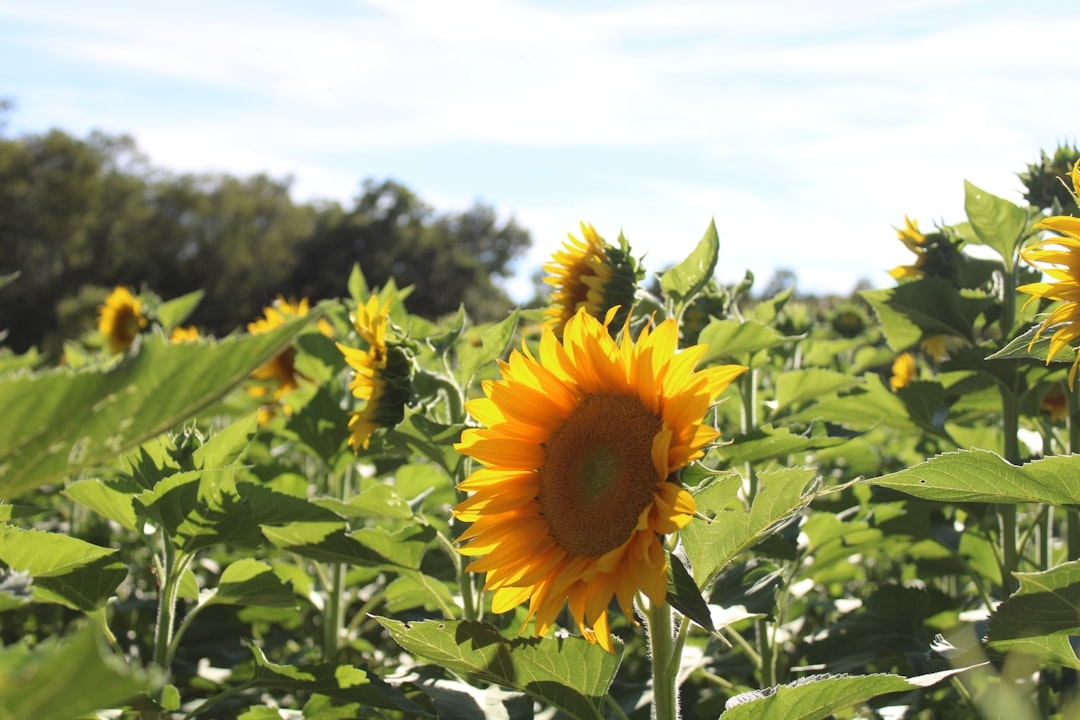
In 1888, Vincent van Gogh painted his iconic Sunflowers series in Arles, France — captivated by a flower he described as radiating “gratitude.” Farmers and artists alike have chased that golden bloom for centuries. So when your own sunflowers stand tall but stubbornly flowerless, it stings a little. The good news? There’s almost always a fixable reason. Understanding why sunflowers not blooming happens is the first step to getting those cheerful yellow faces nodding in your yard.
How Sunflowers Actually Bloom
Sunflowers (Helianthus annuus) are photoperiod-sensitive plants, meaning they rely on day length and light intensity to trigger flowering. Most varieties initiate bud formation when days begin to shorten slightly — typically mid to late summer. They also need a minimum soil temperature of around 50°F to germinate properly, and they perform best between 70°F and 78°F during the growing season.
From seed to first bloom typically takes 70 to 100 days depending on the variety. Dwarf types like ‘Sundance Kid’ can bloom in as few as 60 days, while giant varieties like ‘Mammoth Russian’ may take closer to 90–100. If your plants are younger than that threshold, patience is your best tool right now.
Top Reasons for Sunflowers Not Blooming (Why It Happens Most)
1. Not Enough Direct Sunlight
This is the number one culprit. Sunflowers are sun-obsessed — they need a minimum of 6 hours of direct sunlight per day, and 8 hours is ideal. Partial shade dramatically delays or prevents blooming. If your planting spot is shaded by a fence, tree, or building during peak hours (10 a.m. to 4 p.m.), your sunflowers simply won’t get the signal to flower. Before next season, observe the spot throughout the day and move your growing area if needed.
2. Too Much Nitrogen in the Soil
Nitrogen promotes lush, leafy green growth — which sounds great, but too much of it tells your sunflower to keep making leaves instead of flowers. If you’ve fertilized recently with a high-nitrogen fertilizer (the first number on the bag, like a 30-10-10), that’s likely your problem. Switch to a low-nitrogen, phosphorus-rich fertilizer such as a 5-10-10 blend to encourage blooming. A soil test kit (available at most garden centers for $10–$20) can confirm if your nitrogen levels are excessive.
3. Overwatering or Underwatering
Established sunflowers are surprisingly drought-tolerant, but seedlings and young plants need consistent moisture. Overwatering causes root stress and poor nutrient uptake; underwatering at critical growth stages can halt bud development entirely. Aim for about 1 inch of water per week, applied deeply once or twice rather than light daily sprinkles. Stick your finger 2 inches into the soil — if it’s dry, water thoroughly; if it’s still moist, wait another day.
4. Planting Too Late in the Season
In most of the US, sunflowers should be direct-sown outdoors after the last frost date — typically between late April and mid-June depending on your USDA Hardiness Zone. Planting in Zone 5 (Chicago area)? You’ll want seeds in the ground by early June at the latest for a late-summer bloom. Plant after July 4th in most northern zones and you’re racing against frost before the plant ever gets to bloom.
5. Pot or Root Confinement
Container-grown sunflowers are particularly prone to bloom failure if the pot is too small. Tall varieties need at least a 5-gallon pot; dwarf varieties can manage in 1–2 gallons. Root-bound plants divert all their energy to survival rather than reproduction. If you’re growing in containers, check whether roots are circling the bottom of the pot — if so, repot into something larger immediately.
6. Pest or Disease Pressure
Heavy aphid infestations, powdery mildew, or downy mildew can weaken a sunflower enough to prevent bloom. Check the undersides of leaves for clusters of small soft-bodied insects. A simple spray of diluted neem oil (2 teaspoons neem oil + 1 teaspoon dish soap per quart of water) applied in the evening handles most pest and mild fungal issues without harsh chemicals — a win for pollinators and the broader garden ecosystem.
Practical Fixes and a Simple Budget Breakdown
Most sunflower bloom problems can be solved for very little money. Here’s a rough cost estimate for the most common interventions:
- Soil test kit: $10–$20 (one-time, reusable for the whole garden)
- Phosphorus-boosting fertilizer (5-10-10, 4 lb bag): $8–$15
- Neem oil concentrate: $12–$18 (makes dozens of spray batches)
- 5-gallon container upgrade: $5–$12 at a hardware store
- Relocating to a sunnier bed: $0 — just time and a trowel
Total potential fix cost: under $50, and most gardeners will only need one or two of these items.
The Eco-Friendly Sunflower Angle Worth Knowing
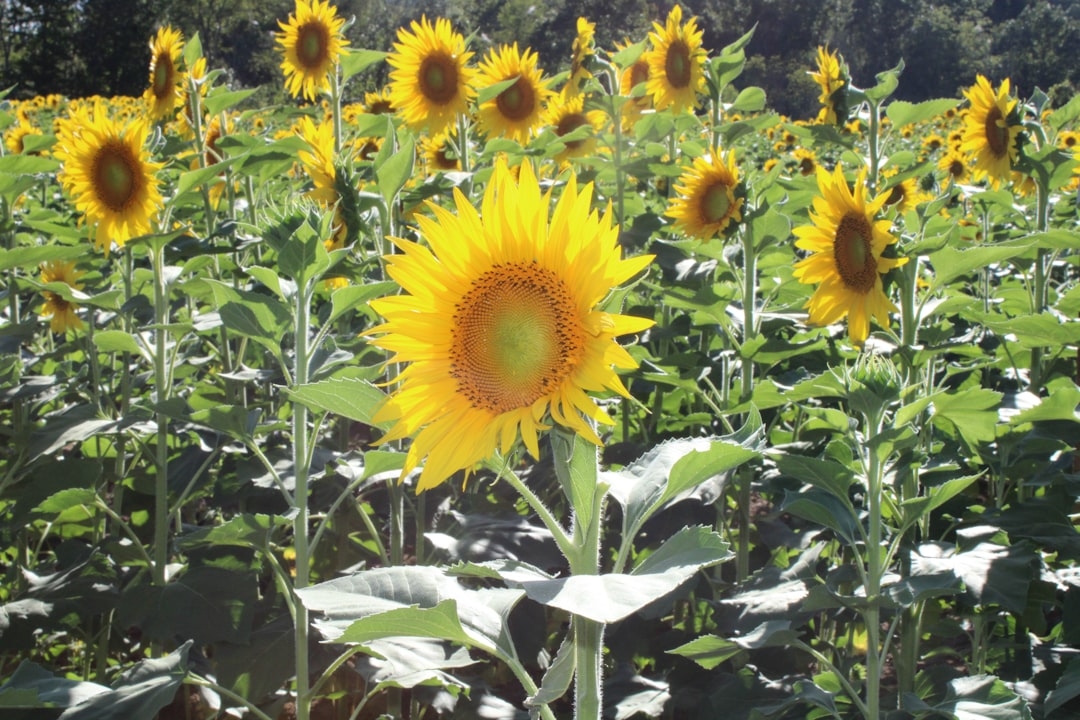
Getting your sunflowers to bloom isn’t just satisfying — it’s genuinely good for the local environment. Sunflower heads are magnets for native bees, butterflies, and goldfinches. After bloom, leaving the seed heads standing through fall provides critical food for birds heading into winter. Skipping synthetic pesticides in favor of neem oil or insecticidal soap keeps that food chain clean. Even spent sunflower stalks, chopped and left to decompose, return organic matter to your soil for free.
Tips to Set Yourself Up for Blooming Success Next Season
- Choose the right variety for your zone. In short-season climates (Zones 3–5), stick with varieties that bloom in under 70 days, like ‘Autumn Beauty’ or ‘Sunrich Orange’.
- Amend soil before planting. Sunflowers prefer slightly acidic to neutral soil (pH 6.0–7.5). Mix in compost rather than synthetic fertilizers to avoid nitrogen overload.
- Direct sow, don’t transplant. Sunflowers develop deep taproots quickly. Transplanting disrupts root development and can delay flowering by weeks.
- Thin seedlings properly. Space plants 12–24 inches apart (depending on variety) to reduce competition for nutrients and light.
- Don’t deadhead too early. Unlike many flowers, sunflowers only bloom once per stem on most varieties. Let the flower fully develop before any cutting.
FAQ: Sunflowers Not Blooming — Why and What to Do
How long does it take for sunflowers to bloom after planting?
Most sunflower varieties bloom 70 to 100 days after germination. Dwarf varieties can flower in as few as 55–60 days, while giant types may take up to 105 days. If your plants haven’t hit that window yet, give them more time before troubleshooting.
Can sunflowers bloom without full sun?
Technically yes, but rarely well. Sunflowers need at least 6 hours of direct sunlight daily to bloom reliably. With less than that, they may grow tall and leafy but produce no flowers or only small, underdeveloped buds.
Why are my sunflower leaves huge but no flowers forming?
Oversized, lush leaves with no blooms almost always point to excess nitrogen in the soil. Stop any high-nitrogen feeding immediately and switch to a phosphorus-forward fertilizer (look for a higher middle number, like 5-10-10) to redirect the plant’s energy toward flowering.
Should I fertilize sunflowers to help them bloom?
Fertilize sparingly. Too much fertilizer — especially nitrogen — delays blooming. If your soil is reasonably healthy, a single application of balanced or phosphorus-heavy fertilizer at planting is often enough. Avoid fertilizing once buds begin to form.
Why did my sunflowers bloom last year but not this year?
Changes in soil nutrition (especially after heavy feeding of other plants), increased shade from growing trees or structures, or planting later in the season are the most common year-to-year culprits. Do a soil test and re-evaluate your sun exposure before replanting.
Ready to See Those Blooms? Start With One Change
Pick the most likely cause from this list — probably sunlight or soil nitrogen — and make that one adjustment first. Gardening rarely requires fixing everything at once. Get the basics right, and sunflowers will do what they’ve been doing since the ancient Aztecs cultivated them thousands of years ago: turn toward the light and bloom brilliantly. Your patch of gold is closer than you think.