Contents:
- Why Hydrangeas Turn Brown: The Big Picture
- The Most Common Reasons Hydrangeas Turn Brown
- Underwatering and Heat Stress
- Too Much Direct Sun
- Overwatering and Root Rot
- Frost and Late Spring Freezes
- Fungal Disease: Botrytis and Cercospora Leaf Spot
- Chemical Burn from Fertilizer
- Practical Steps to Revive Brown Hydrangeas
- When Brown Blooms Are Totally Normal
- Frequently Asked Questions
- Why are my hydrangea leaves turning brown on the edges?
- Can brown hydrangeas recover?
- Should I cut off brown hydrangea blooms?
- Why do hydrangeas turn brown after cutting and putting in a vase?
- What fertilizer prevents hydrangeas from turning brown?
- Your Next Steps This Weekend
Hydrangeas turning brown is one of the most disheartening sights in the garden. You planted them for those voluminous, cloud-like blooms. Now you’re standing outside with a coffee going cold in your hand, staring at crispy edges and wilting flower heads wondering what went wrong. The good news: brown hydrangeas are almost always fixable. You just need to know what you’re actually dealing with.
Why Hydrangeas Turn Brown: The Big Picture
Hydrangeas are dramatic plants. They signal stress loudly and visibly, which is actually helpful once you learn to read the signs. Browning can affect the leaves, the blooms, or both — and the location of the browning tells you a lot about the cause. Leaf edges turning brown usually point to a watering or environmental issue. Brown blooms, on the other hand, can be completely normal at the end of the season, or a sign of fungal disease mid-summer.
Before panicking, ask yourself three questions: When did the browning start? Where on the plant is it happening? What has the weather been like? Your answers will narrow down the culprit faster than any generic troubleshooting checklist.
The Most Common Reasons Hydrangeas Turn Brown
1. Underwatering and Heat Stress
This is the number one cause of browning, especially in summer. Hydrangeas need about 1 inch of water per week, and in temperatures above 85°F, they may need closer to 2 inches. When the soil dries out, the plant pulls moisture from its leaves and blooms first — hence the crispy, papery look on flower edges.
The fix is straightforward: deep watering at the base (not overhead) two to three times per week during heat waves. A 2–3 inch layer of mulch around the root zone dramatically reduces moisture loss. Shredded bark or wood chip mulch works well and costs roughly $5–$8 per bag, with most garden beds needing two to four bags.
2. Too Much Direct Sun
Most hydrangea varieties — particularly Bigleaf (Hydrangea macrophylla) and Oakleaf — prefer morning sun and afternoon shade. Afternoon sun in USDA Hardiness Zones 6–9 can be intense enough to scorch blooms and leaves within days, leaving brown patches that look almost bleached.
If your plant is in a full-sun spot and consistently burns by late July, consider transplanting it in early fall when temperatures cool. Transplanting a mature hydrangea runs $0 in cost if you do it yourself, though you’ll want a quality root stimulator (around $10–$15) to ease the transition.
3. Overwatering and Root Rot
Counterintuitively, too much water causes browning too. When roots sit in waterlogged soil, they can’t absorb oxygen, and the plant starves at the cellular level. The browning from overwatering tends to start at the base of leaves and looks more yellow-brown than crispy brown.
Check your drainage. Hydrangeas need well-draining soil with a pH between 5.5 and 6.5. If you’re gardening in heavy clay, amending the bed with compost or perlite before planting makes a measurable difference. A bag of perlite runs about $12–$18 at most garden centers.
4. Frost and Late Spring Freezes
A late frost after new growth has emerged is devastating for hydrangeas, particularly Bigleaf varieties that bloom on old wood. The new buds — which contain next season’s flowers — can be killed overnight, leaving brown, papery tissue where lush blooms should be.
If frost is forecast after your hydrangeas have leafed out, cover them with burlap or a frost cloth overnight. Don’t use plastic sheeting — it traps cold against the plant. Frost cloth costs about $15–$25 for a standard roll and can be reused for years.
5. Fungal Disease: Botrytis and Cercospora Leaf Spot
Two fungal culprits are worth knowing by name. Botrytis blight creates gray-brown spots on blooms, often with a fuzzy texture — it thrives in humid, wet conditions and poor air circulation. Cercospora leaf spot shows up as brown or purple-ringed spots on leaves, typically in late summer.
Both are manageable. Remove affected plant material immediately and dispose of it in the trash (not compost). Apply a copper-based fungicide or a neem oil spray every 7–10 days during active infection. A 32 oz ready-to-use copper fungicide runs $12–$20 and covers most small garden beds.
Never water hydrangeas from above during the growing season. Overhead watering keeps foliage wet for hours, which is exactly the condition fungal spores need to germinate. Always water at soil level, ideally in the morning, so any accidental splash on leaves can dry before evening.
6. Chemical Burn from Fertilizer
Over-fertilizing — especially with high-nitrogen formulas — causes “fertilizer burn,” which looks like brown, scorched leaf tips and margins. This is more common than gardeners expect, particularly with granular fertilizers applied too close to the stem or in dry conditions without watering in.
Hydrangeas don’t need heavy feeding. A balanced slow-release fertilizer (10-10-10) applied once in spring and once in early summer is typically enough. If you suspect fertilizer burn, flush the soil thoroughly with water over several days to dilute the salt concentration.
Practical Steps to Revive Brown Hydrangeas
- Diagnose before you act. Crispy brown = dryness or sun. Soft, mushy brown = rot or fungus. Yellow-brown = drainage issue or overwatering.
- Prune strategically. Cut dead blooms back to just above the first set of healthy leaves. For diseased material, disinfect your pruners between cuts with a 70% isopropyl alcohol wipe.
- Adjust your watering schedule. Use a moisture meter (around $10–$15) to check soil 2–3 inches deep before watering. The soil should feel like a wrung-out sponge — damp but not wet.
- Mulch generously. A consistent mulch layer is one of the highest-return investments for hydrangea health, reducing watering needs by up to 30% in summer heat.
- Improve air circulation. If plants are crowded, selectively thin stems in early spring. Most varieties benefit from spacing of at least 3–5 feet between plants.
“One of the biggest mistakes I see homeowners make is assuming their hydrangeas need more fertilizer when they start looking rough,” says Dana Hollister, Certified Professional Horticulturist and owner of Hollister Green Gardens in Asheville, NC. “Nine times out of ten, it’s a watering or siting issue. Feed after you’ve ruled everything else out.”
When Brown Blooms Are Totally Normal
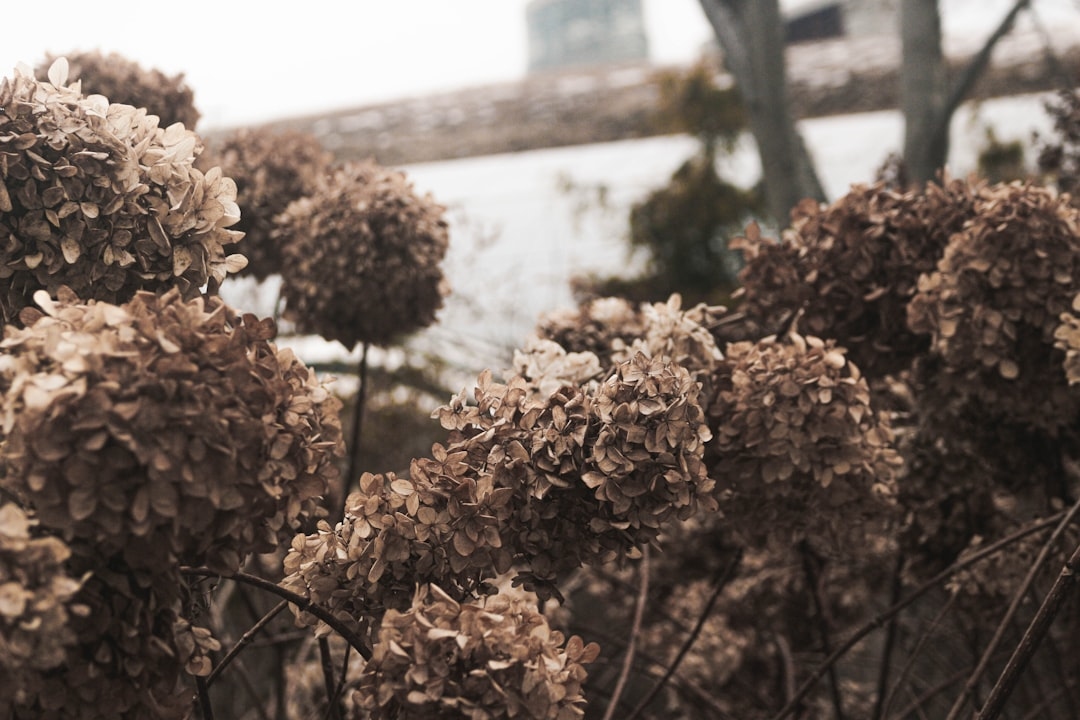
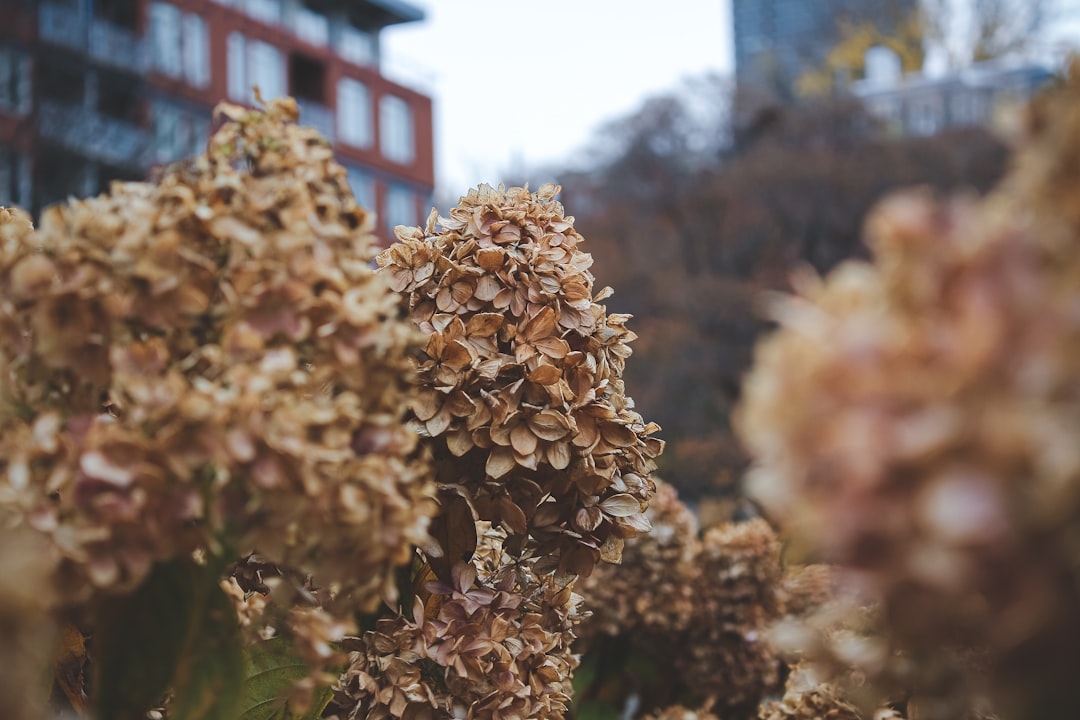
Not all browning is a problem. As summer transitions to fall, hydrangea blooms naturally dry and turn papery shades of brown, beige, and pink. This is especially true for Panicle hydrangeas (Hydrangea paniculata), which dry beautifully on the stem and are often left through winter for structure and visual interest.
If your blooms are browning in September or October and the foliage looks healthy, congratulations — your hydrangeas are doing exactly what they’re supposed to do.
Frequently Asked Questions
Why are my hydrangea leaves turning brown on the edges?
Brown edges on hydrangea leaves are most commonly caused by underwatering, low humidity, or too much afternoon sun. Increase watering to 1–2 inches per week and add mulch to retain moisture. If the problem persists in a shaded location, check for fertilizer burn or root issues.
Can brown hydrangeas recover?
Yes, in most cases. If the browning is caused by watering issues, sun stress, or early fungal infection, hydrangeas recover well once the underlying problem is corrected. Plants with severe root rot may struggle, but even those can sometimes bounce back with improved drainage and reduced watering.
Should I cut off brown hydrangea blooms?
It depends on the cause. If they’re brown from disease, remove them immediately. If they’re naturally drying at the end of the season, you can leave them for winter interest or deadhead them to encourage a tidier look. Avoid heavy pruning on Bigleaf varieties after August, as this removes next year’s flower buds.
Why do hydrangeas turn brown after cutting and putting in a vase?
Cut hydrangeas wilt and brown quickly because their stems can form an air bubble that blocks water uptake. Recut stems at a 45-degree angle immediately before placing in water, and submerge the entire bloom in cool water for 30–45 minutes to rehydrate. Change the vase water every two days.
What fertilizer prevents hydrangeas from turning brown?
No fertilizer prevents browning caused by environmental stress. For general health, use a balanced slow-release fertilizer (10-10-10) in spring. Avoid high-nitrogen formulas, which promote leafy growth at the expense of blooms and can cause fertilizer burn — one of the less obvious causes of brown leaf tips.
Your Next Steps This Weekend
Take 10 minutes this weekend to actually get close to your hydrangeas. Check the soil moisture 2 inches down. Look at where the browning starts on each plant. Note how much direct sun they’re getting between noon and 4 p.m. Most browning issues become obvious once you slow down and look closely. Armed with a proper diagnosis, the right fix is usually simple, inexpensive, and faster-acting than you’d expect. Your hydrangeas want to be lush and full — they just need the right conditions to get there.